Elizabeth Elle Ecology

Empowering gardeners through ecology

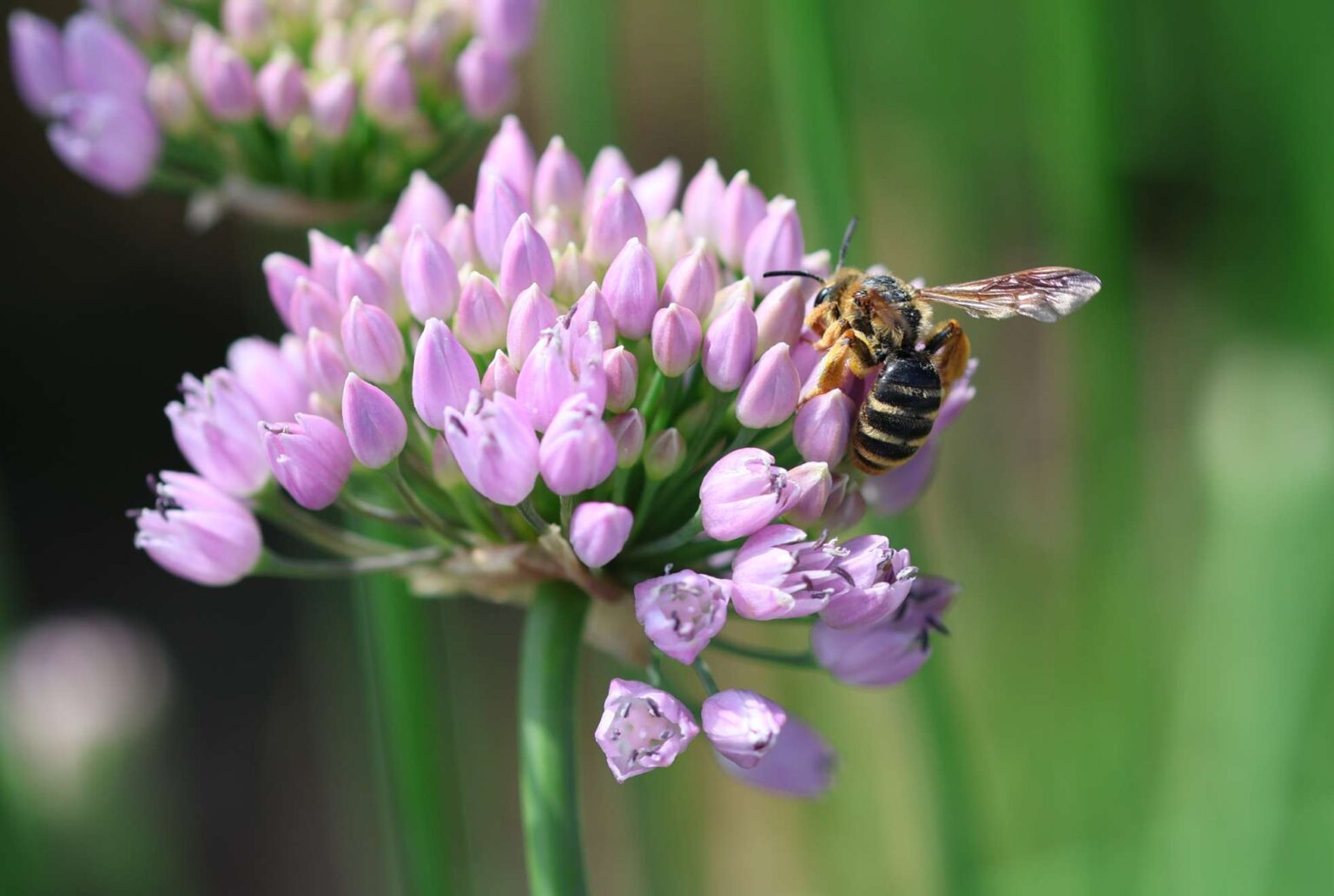
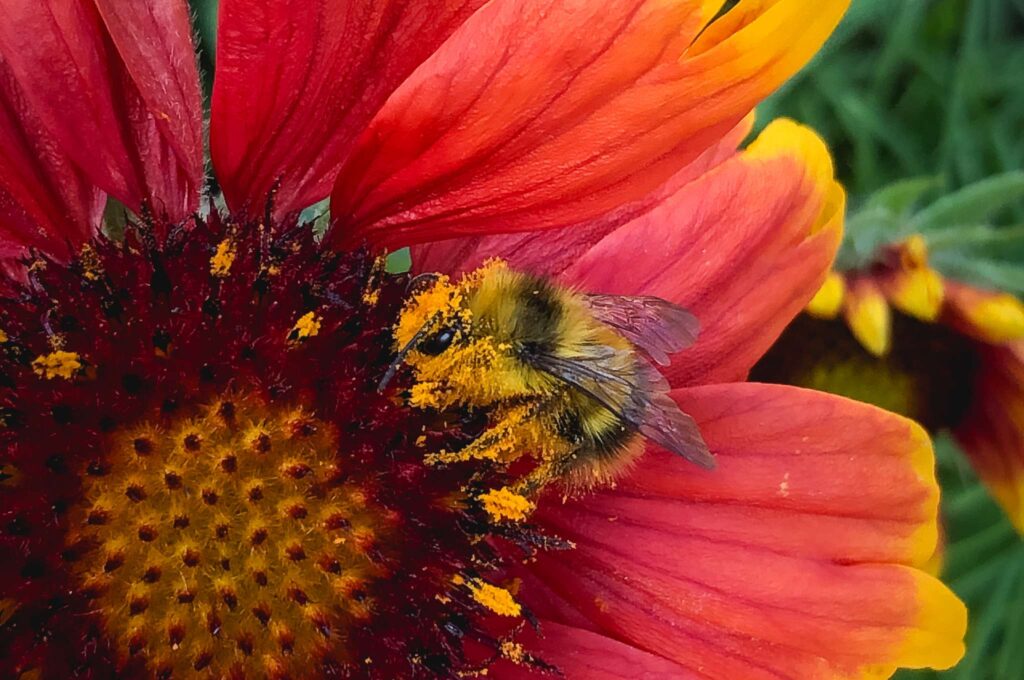
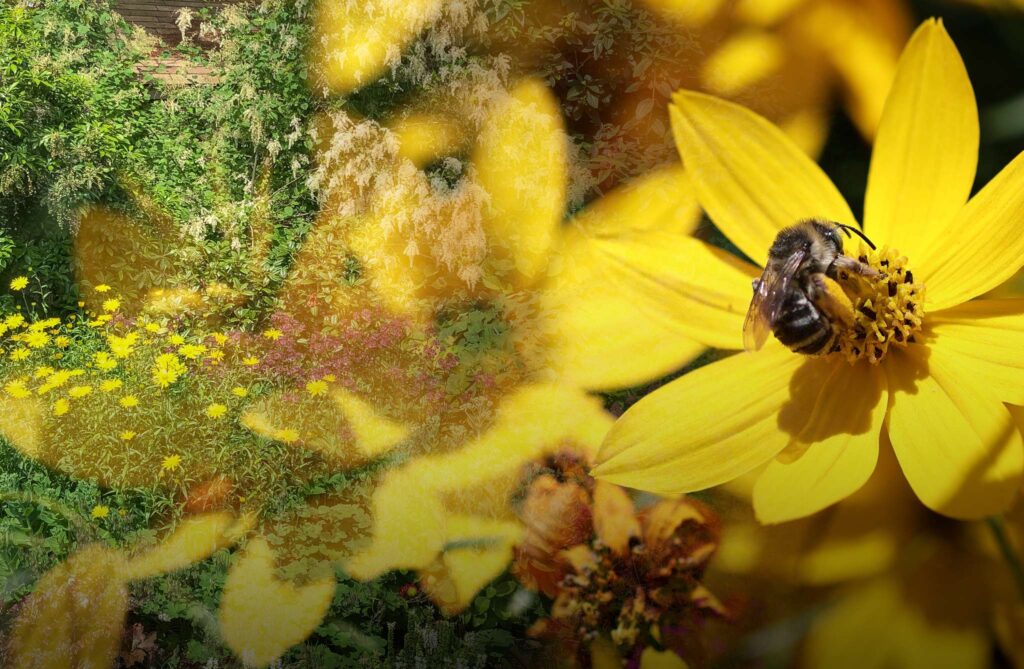
A bee pollinating a bright yellow flower in a garden environment

Elizabeth Elle Ecology

Empowering gardeners through ecology

Elizabeth works to translate the science of ecology to assist you in biodiversity-supporting gardening and restoration practices in southern British Columbia.

Elizabeth works to translate the science of ecology to assist you in biodiversity-supporting gardening and restoration practices in southern British Columbia.

Learn

Improve Your Gardening and Restoration Practices

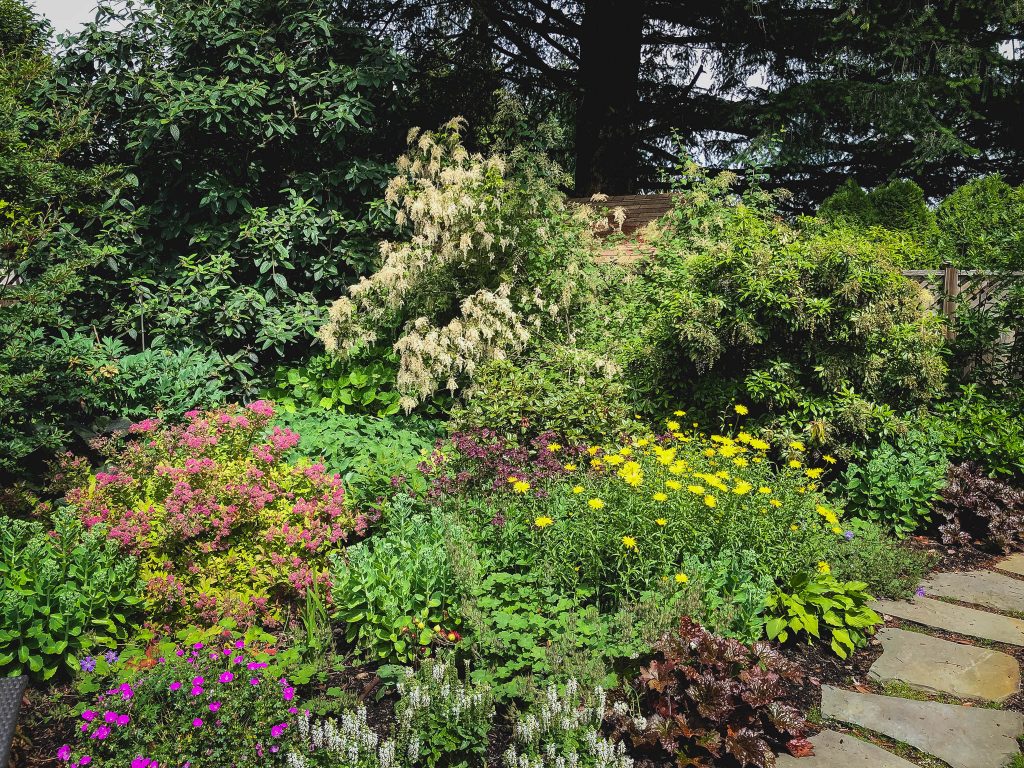
Your garden is an ecosystem: an interacting web of organisms and their environment. Providing an environment that supports beneficial organisms means they will do important work for you, like pest control, pollination, and nutrient cycling.
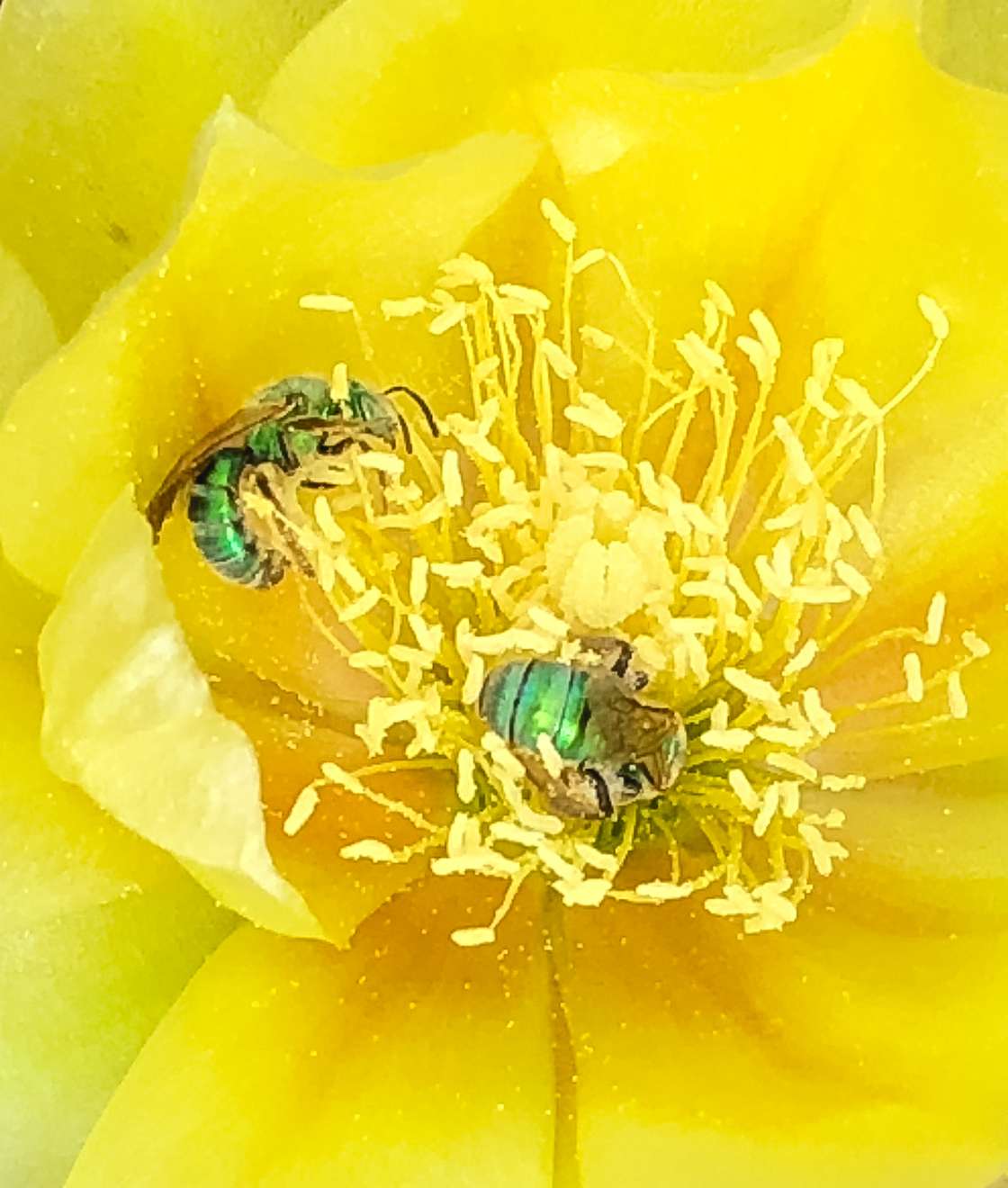
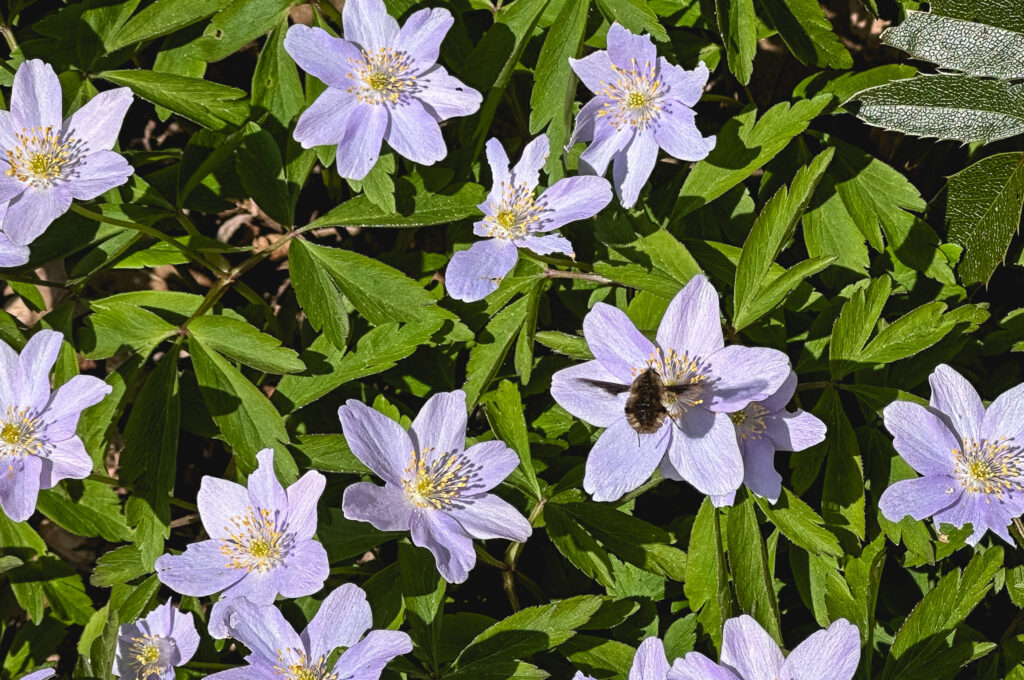
British Columbia is home to an incredible diversity of flower visitors, including almost 500 species of native bees. Learn about the vital role that pollinators play in ecosystem stability, their diverse characteristics and how to identify them.
Providing food and lodging is the best way to support pollinator conservation. Learn how you can create habitat in your backyard or on your balcony, and explore our research data that reveals the most pollinator-attractive plants.
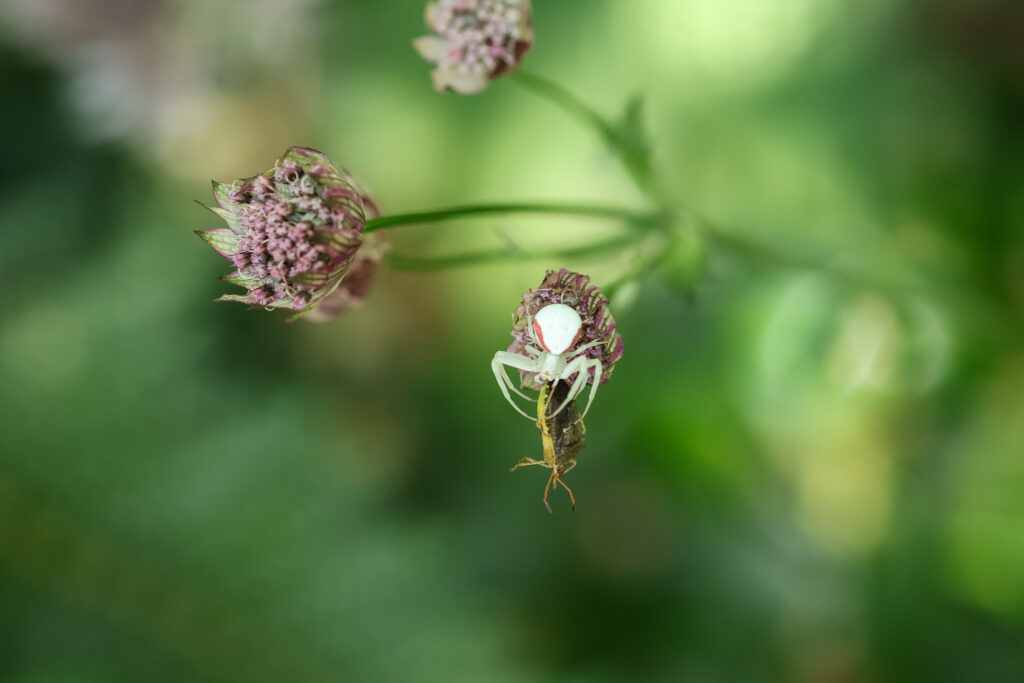
Crab Spider
Most bugs are good bugs. Those that are seen as “bad” to gardeners are usually the ones that eat our plants. Gardening ecologically means welcoming the predators that can control these herbivores in your garden.

Subscribe to Elizabeth’s Email Newsletter

Receive seasonal gardening advice, news and information on upcoming presentations.

Meet Elizabeth Elle

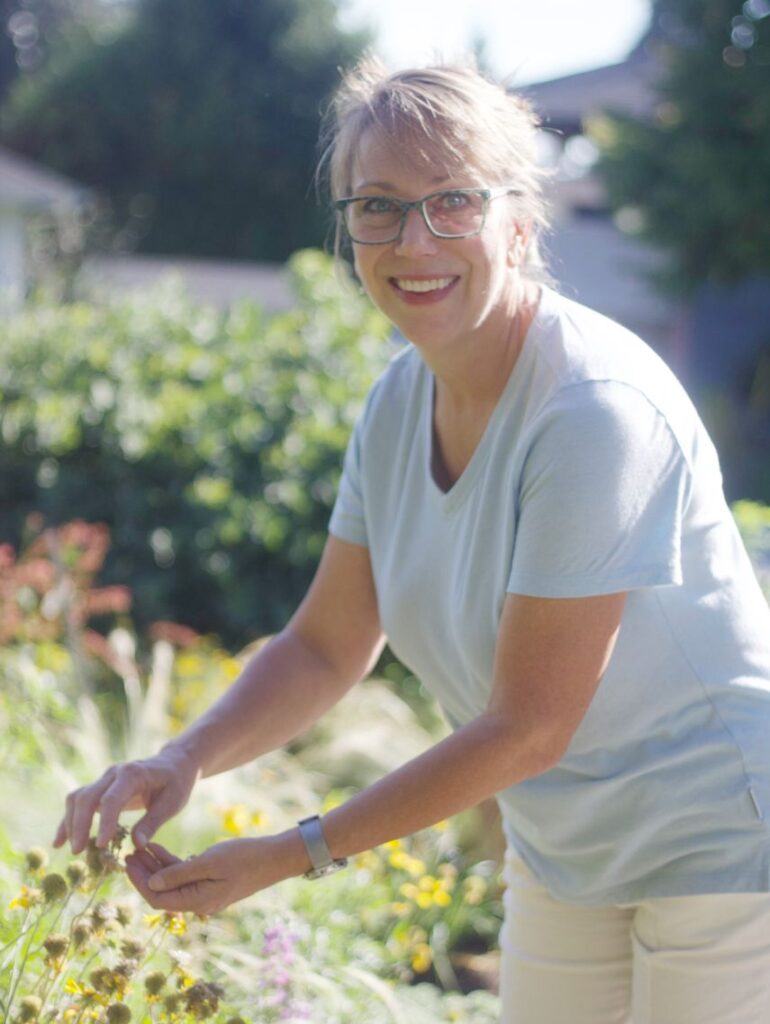
Dr. Elizabeth Elle is a conservation ecologist and Professor at Simon Fraser University. Elizabeth has been studying interactions between plants and insects (mostly pollinators, but also herbivores and predators) in farms, natural areas, habitat restorations, and gardens of B.C. for 25 years.
Speaking and Consulting

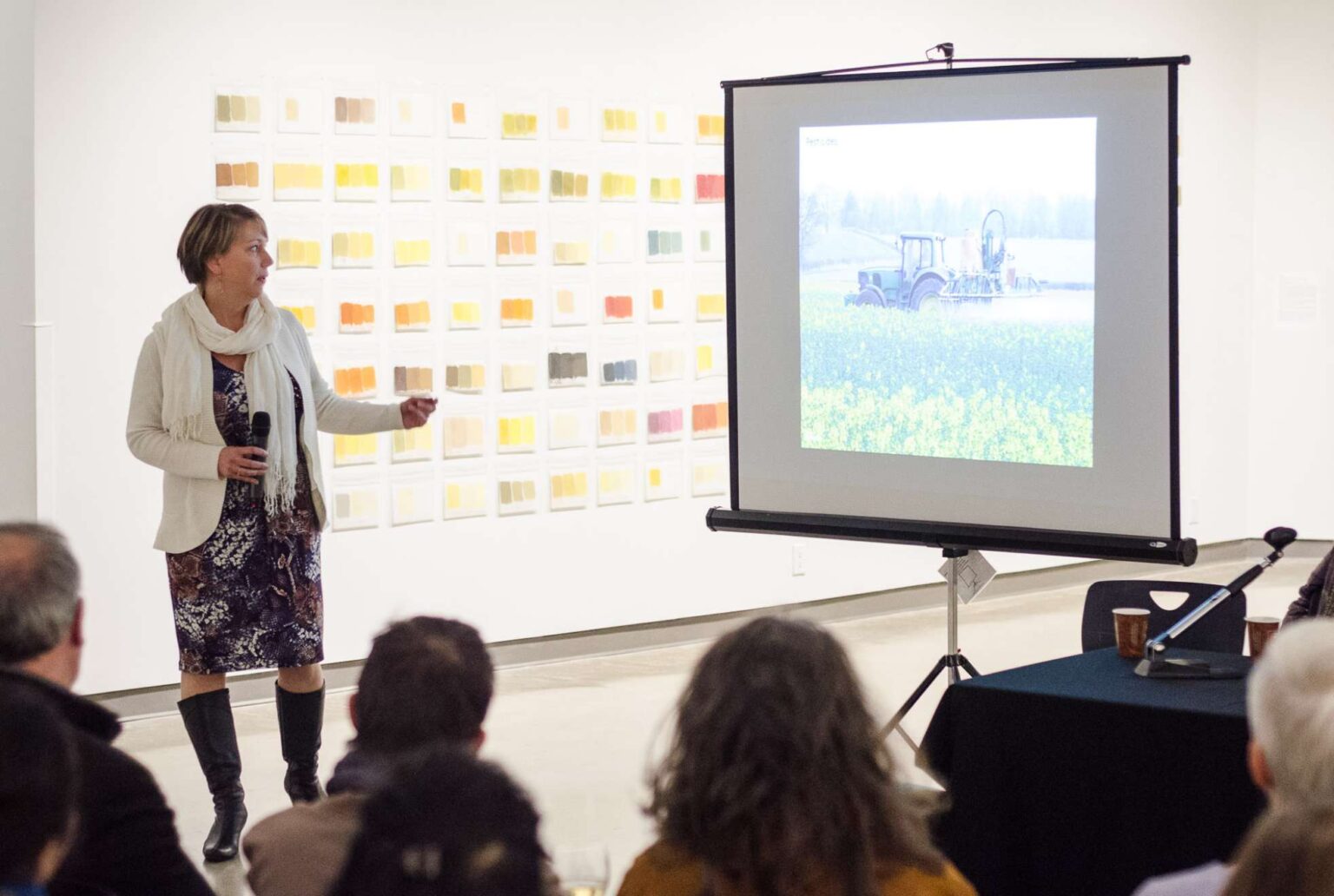
Elizabeth loves bringing together her background as an ecologist and her experience as a gardener to provide accessible, science-informed information to garden clubs and natural history societies.