Learn
Garden Ecology: Easier for you–better for the planet
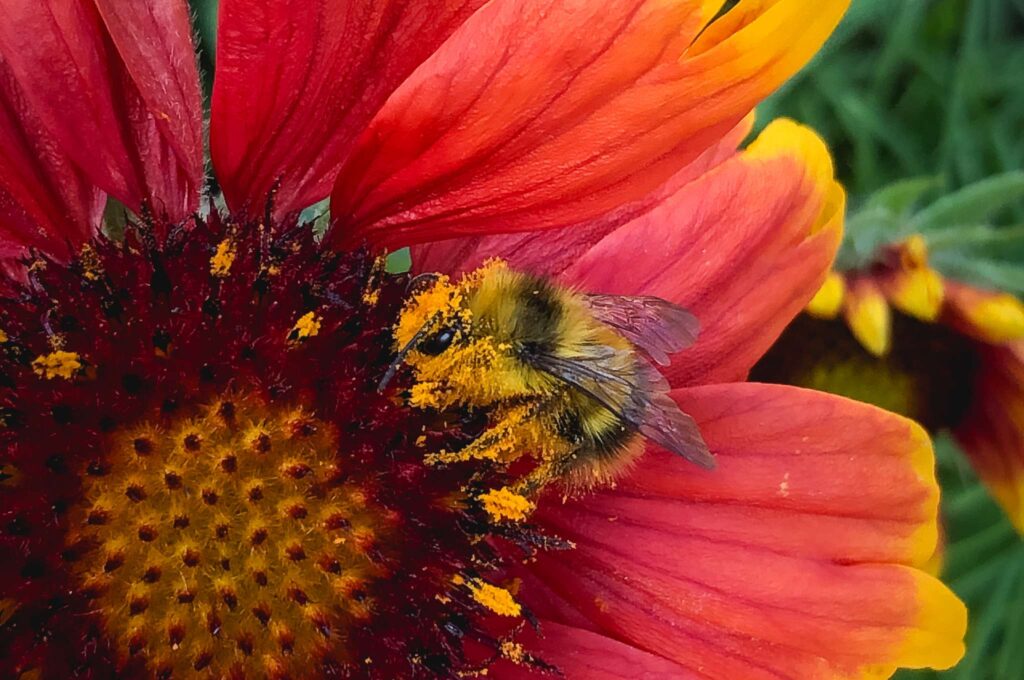
Your garden is an ecosystem: an interacting web of organisms and their environment. Providing an environment that supports beneficial organisms means they will do important work for you, like pest control, pollination, and nutrient cycling.
#1: Don’t Be Too Tidy
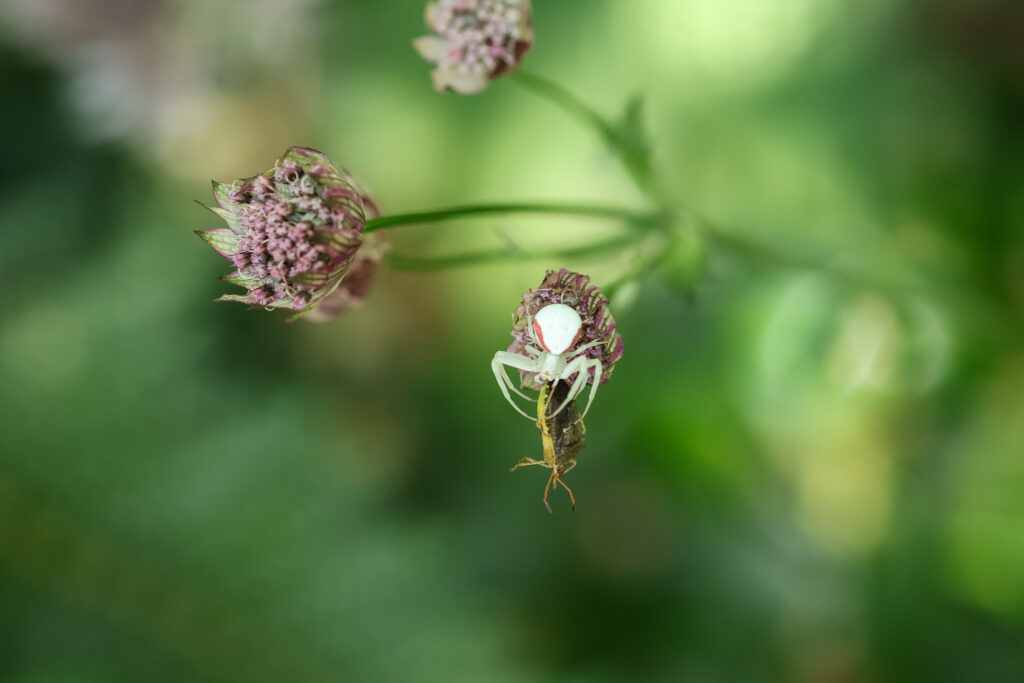
Disrupting the system can lead to negative impacts. Garden cleanup removes nutrients your plants need to be healthy. Removing pests from your garden can remove their natural predators too, which can result in an outbreak of the pest you are trying to control. The answer is to be a little more relaxed about your garden.
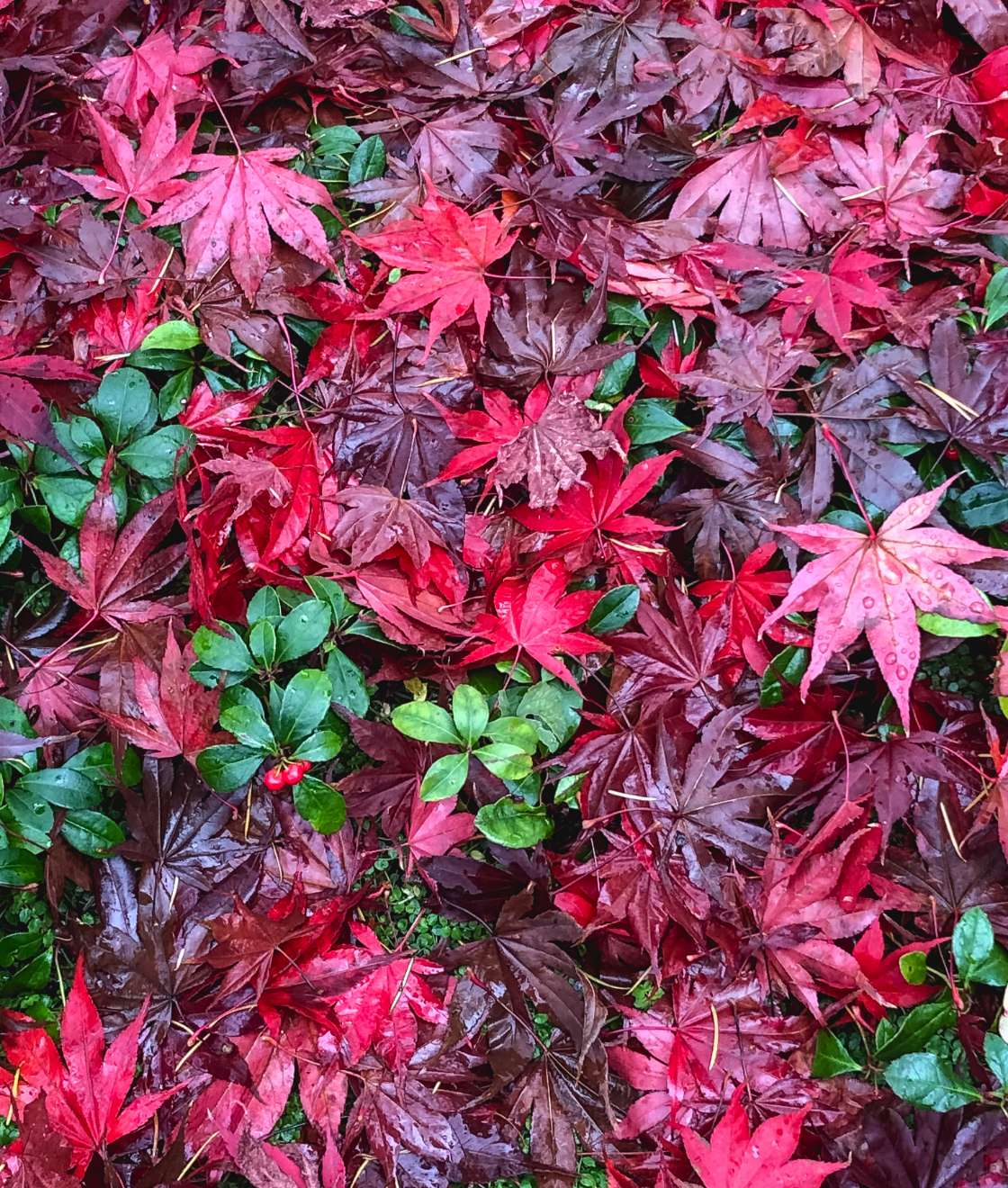
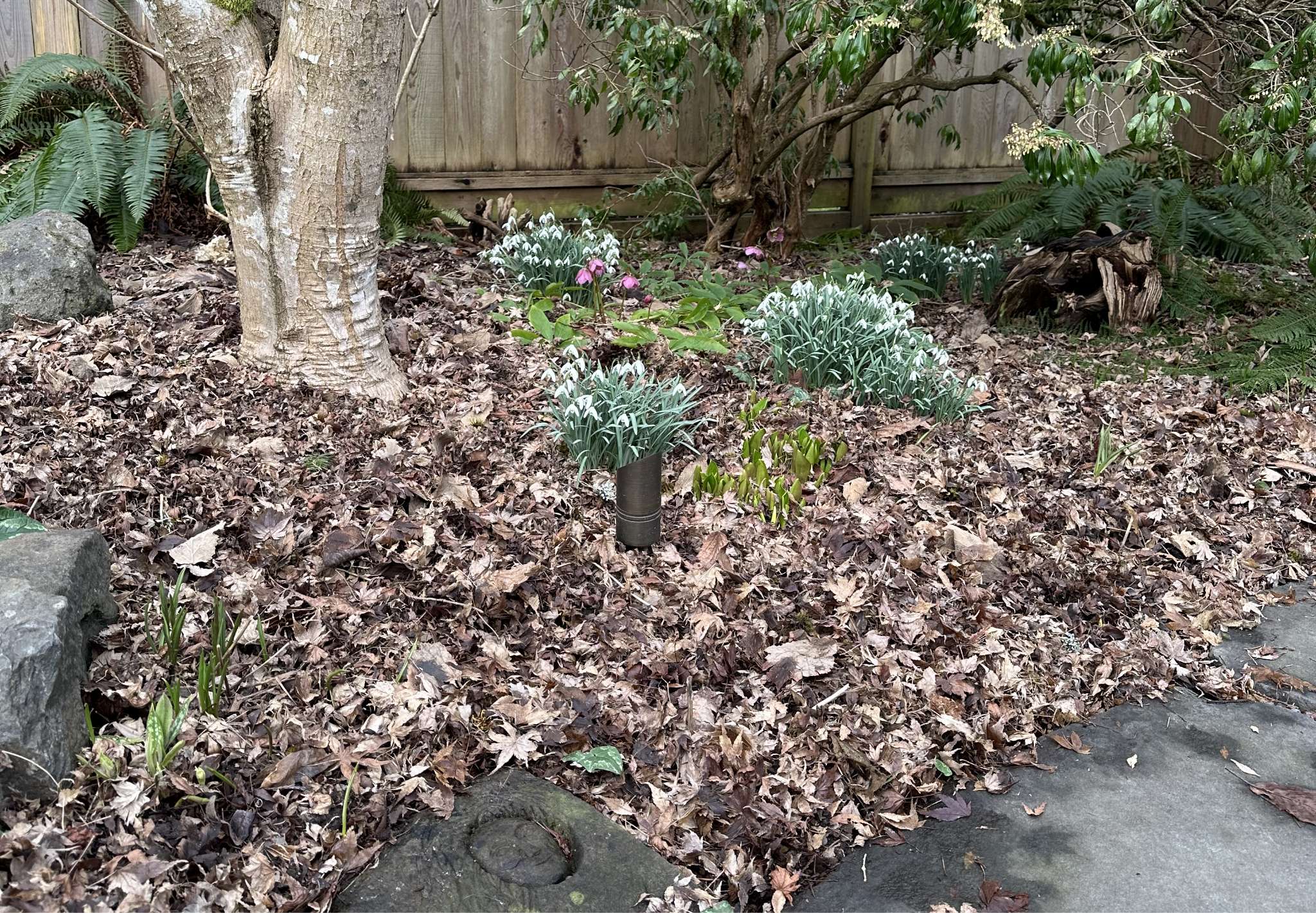
Leaving leaves
Saving stems
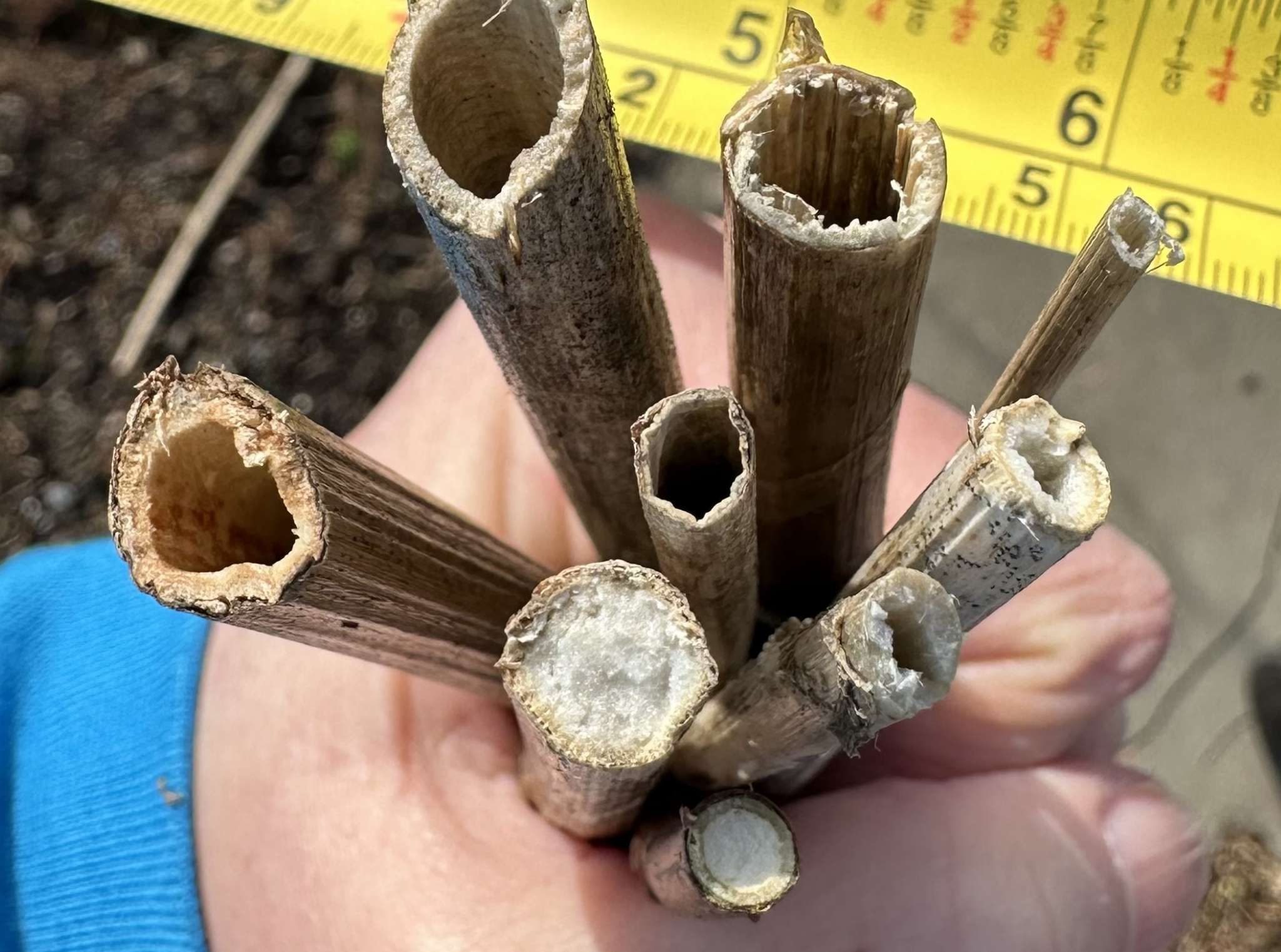
Some bees and wasps nest in hollow or pithy plant stems. Leaving stems until they naturally decompose can provide nest sites (bees aren’t in the newly growing stems, but in older ones). Ideally, you would leave stems intact over the winter, and then cut back in spring to about 30-50 cm. Insects will nest in them over the summer, and hatch out next year. Holes larger than 80 mm are unlikely to be used as nests, they are too large–so prune accordingly!
Bolting plants
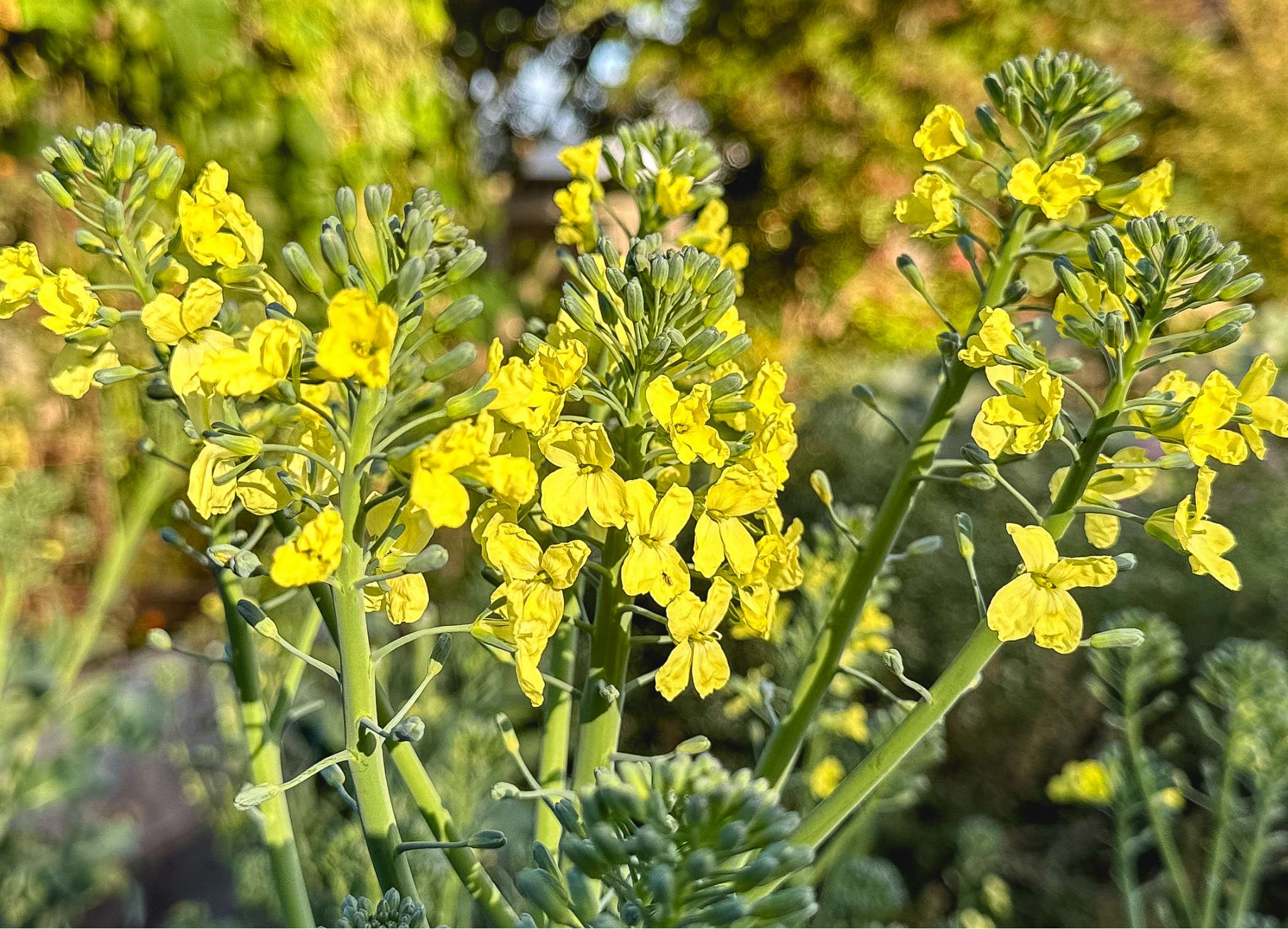
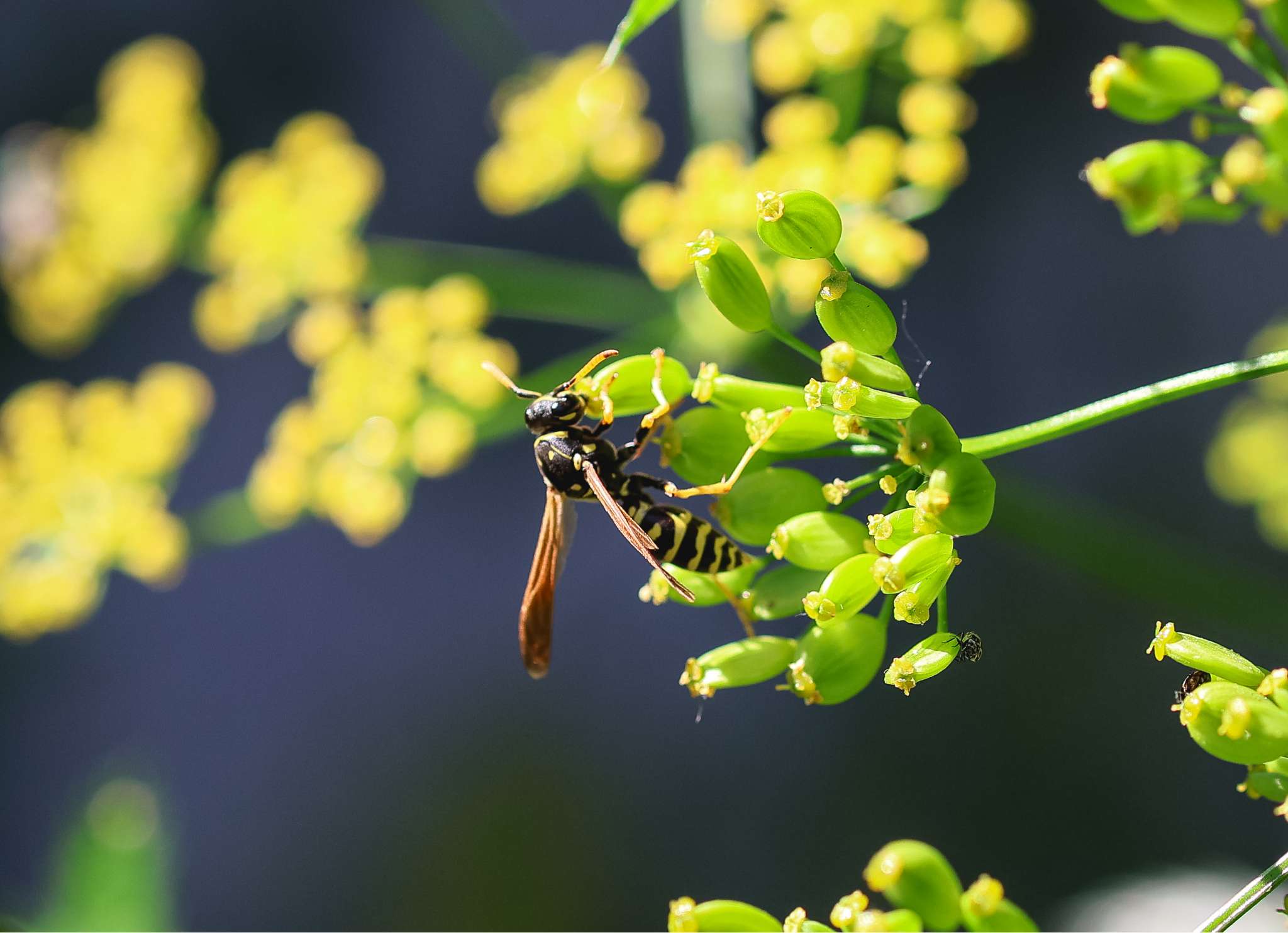
Allowing broccoli to bolt can attract the wasp predators of cabbage white caterpillars; bolting greens provide food for pollinators; flowering cilantro, dill, and even parsnips attract predators like ladybugs, lacewings, and beneficial wasps. Don’t be afraid to let a few things go!
Accepting pests
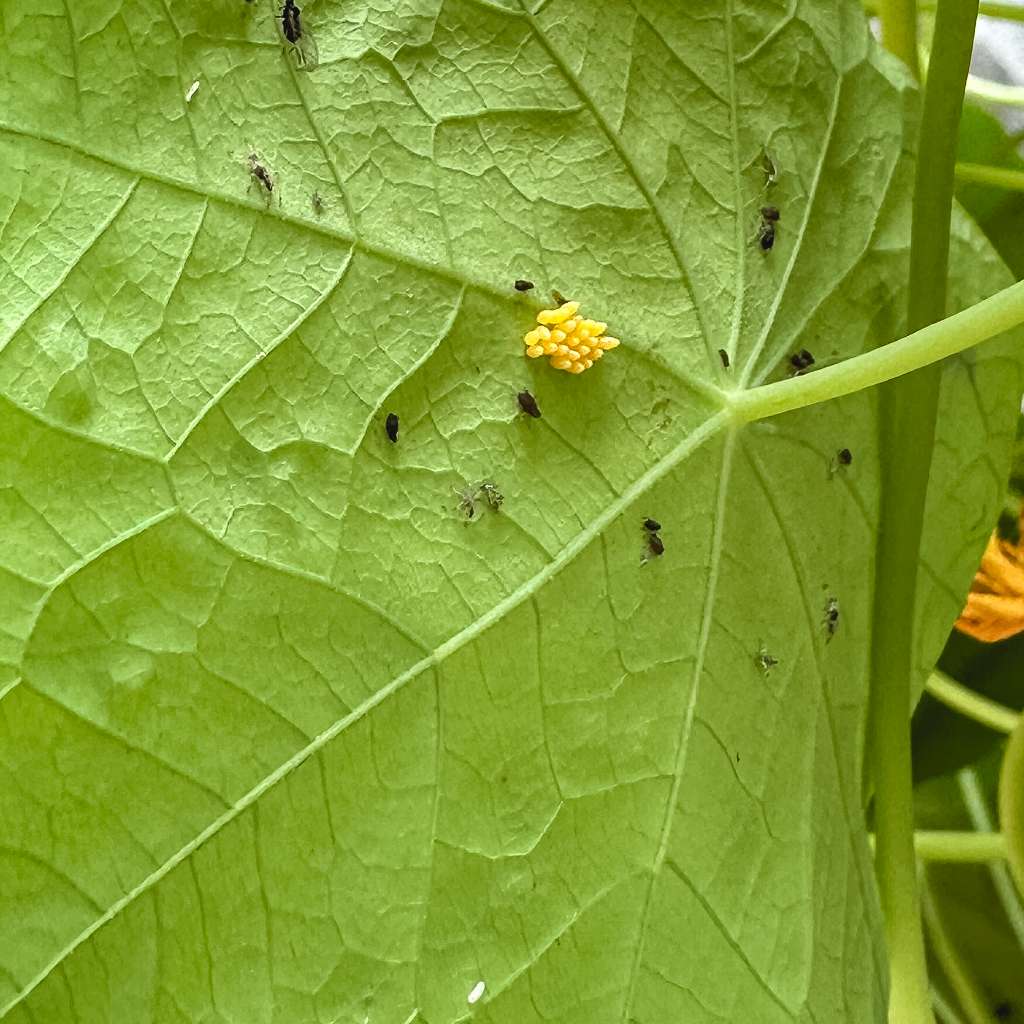
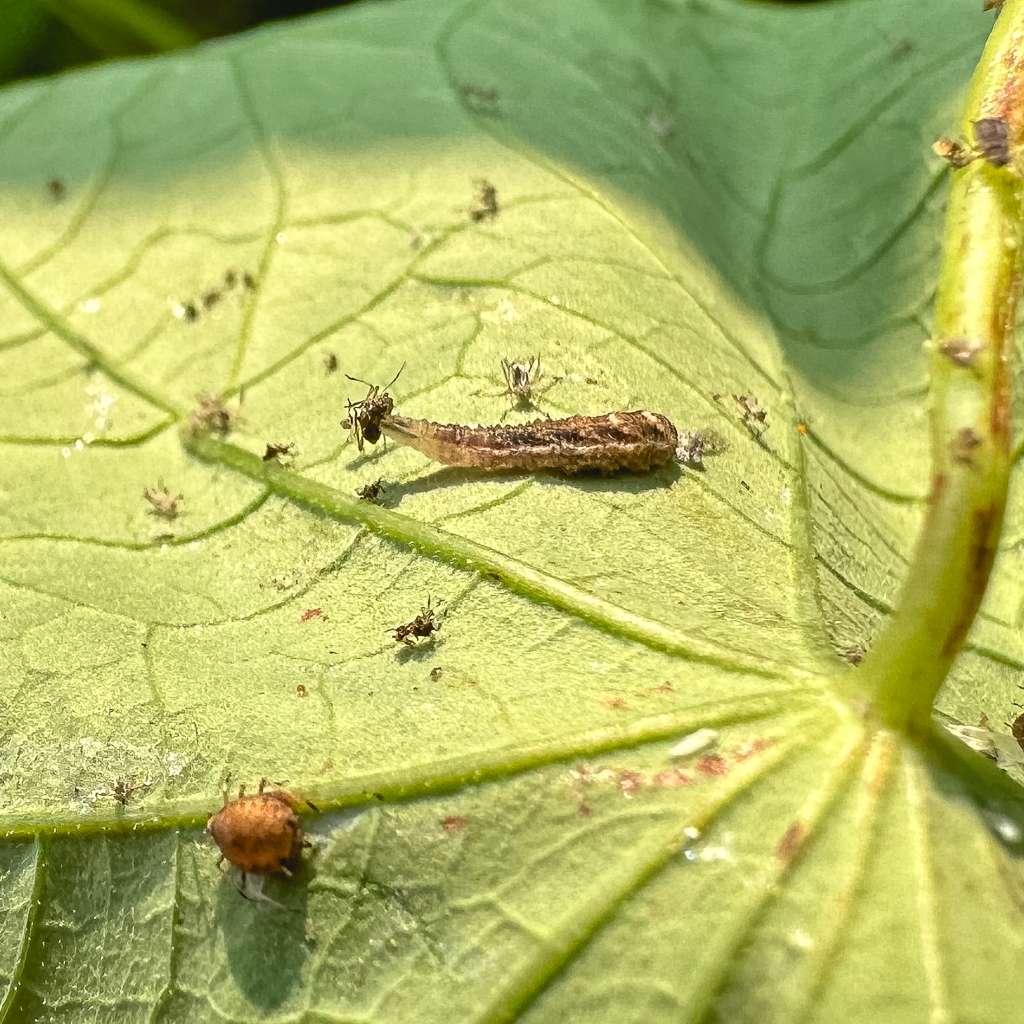
When pest insects like aphids are present in low numbers, predators that eat them can find them and provide pest control. If you are very vigorous in your pest control practices (like spraying aphids off plants with water) you will also remove the predators that are actively eating pests. Try waiting a week or two and seeing what happens–in many cases, the predators will solve your pest problem.
#2: Include Some Native Plants
Many non-native (but non-invasive) garden plants are great for pollinators and predators, and we know that higher plant diversity in gardens supports higher diversity of beneficial insects. We also know that many native insects have evolved close relationships with some native plants. Including some native plants in your garden can wind up supporting more biodiversity than if your garden only includes non-native plants.
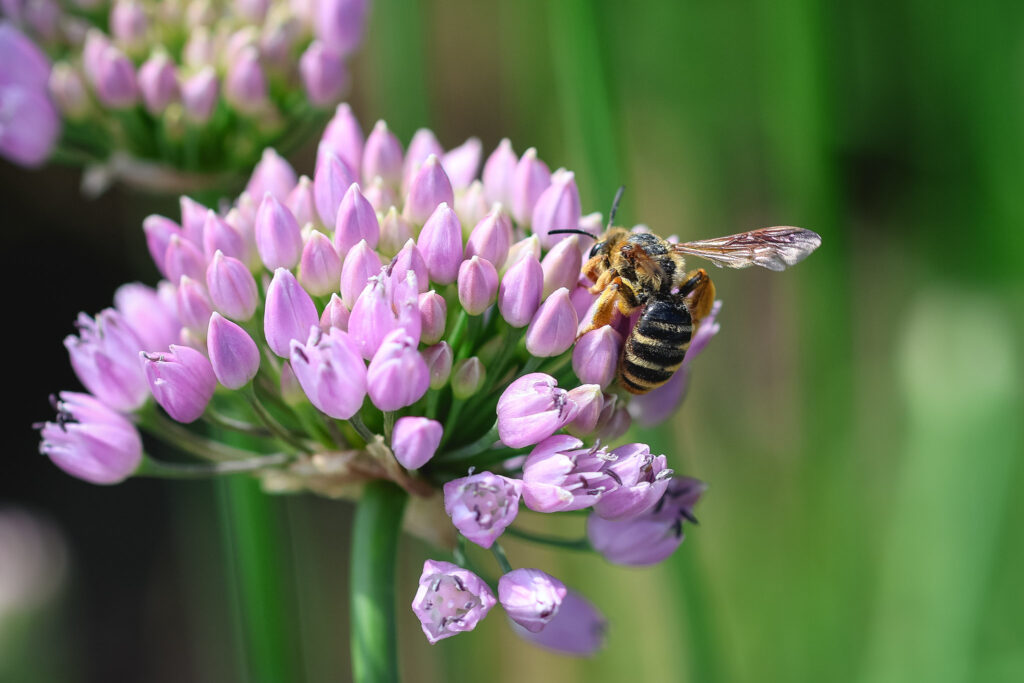
Specialist bees
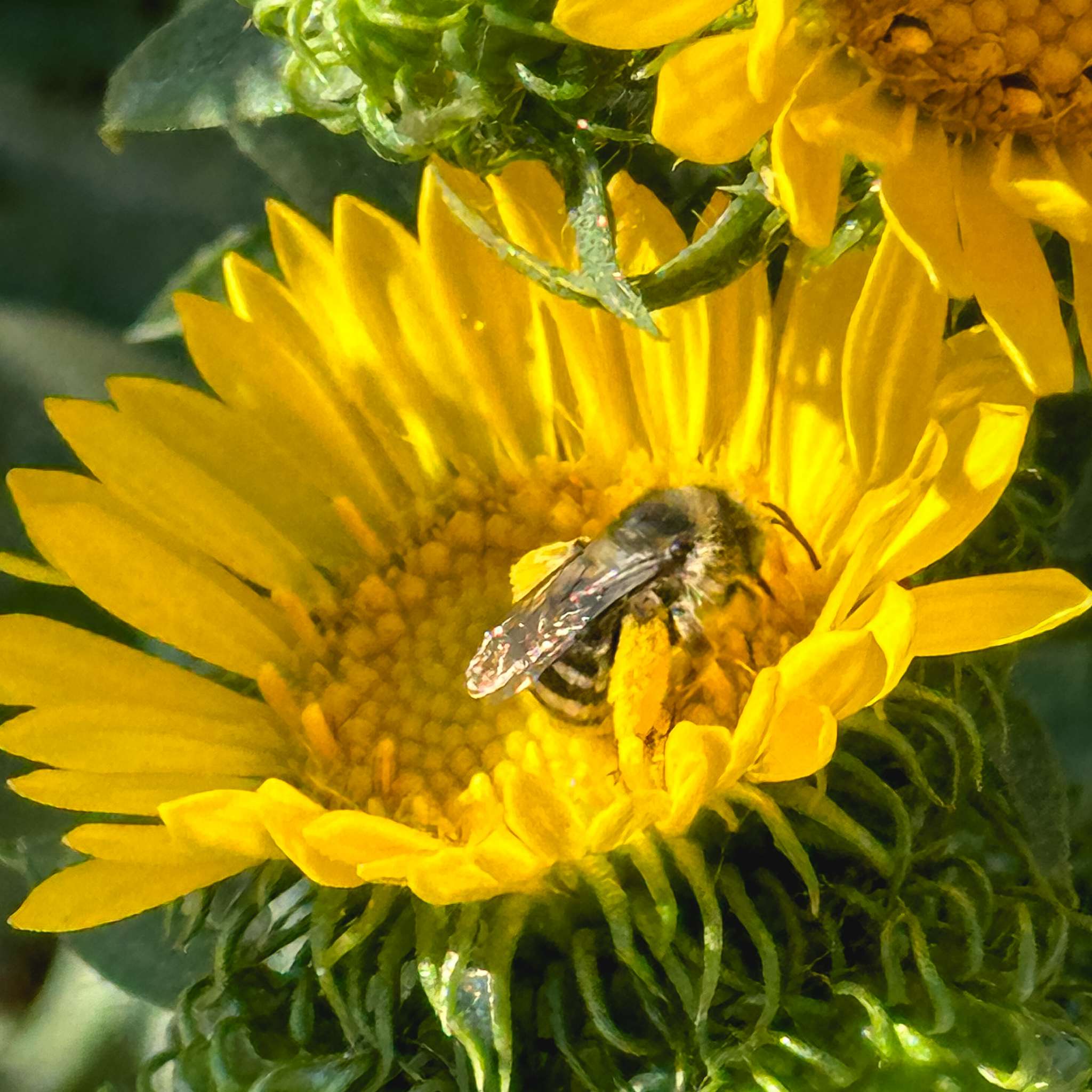
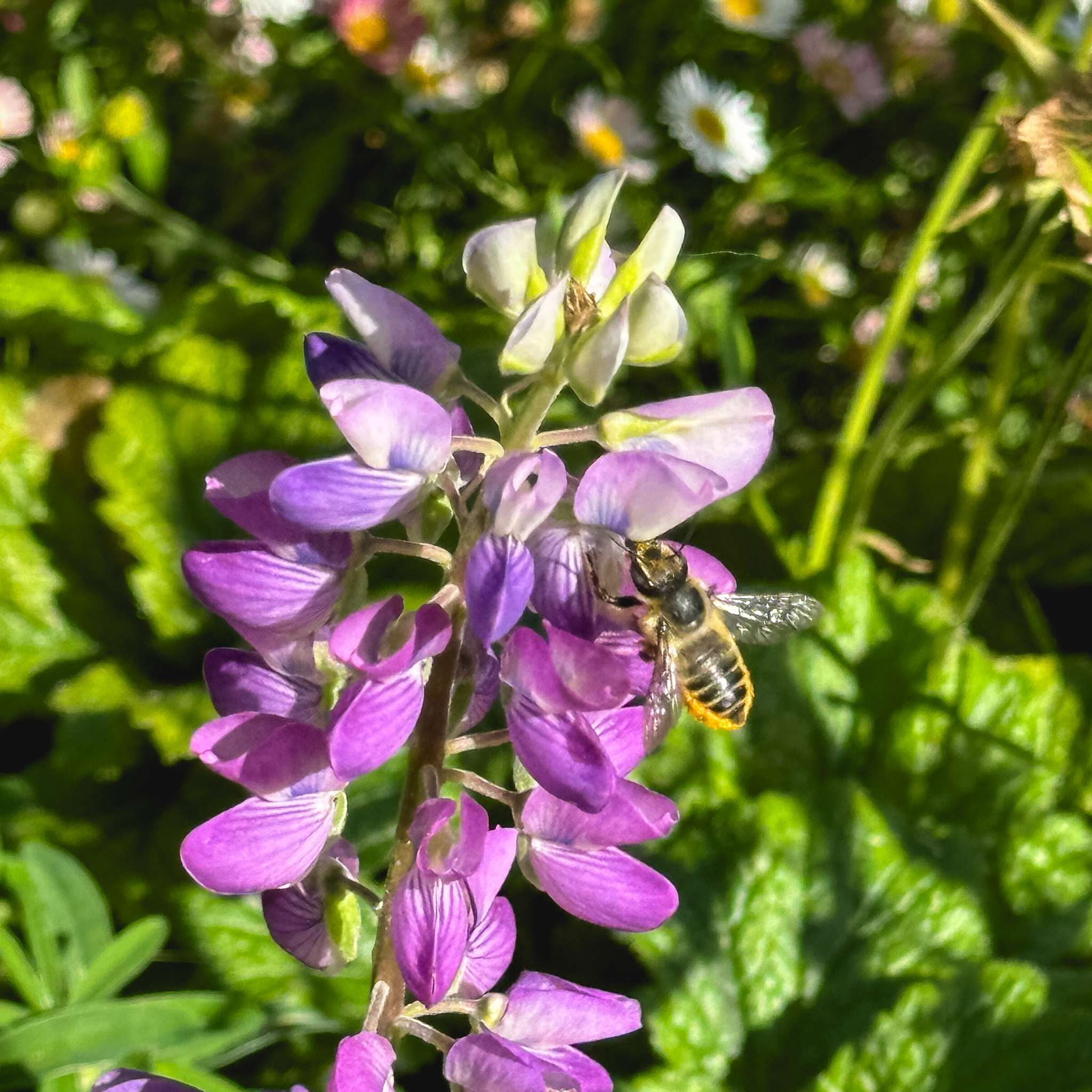
Some bees use pollen from just a single family or genus of plants to provision their nests. Asters (goldenrod, aster, yarrow) and Legumes (lupines, vetches, clovers), as well as the genus Salix (willows), have the most specialist bees near the BC Coast. Although some of these bees will use non-native aster, legume, or willow pollen to provision their nests, including some native plants is useful.
Supporting butterflies
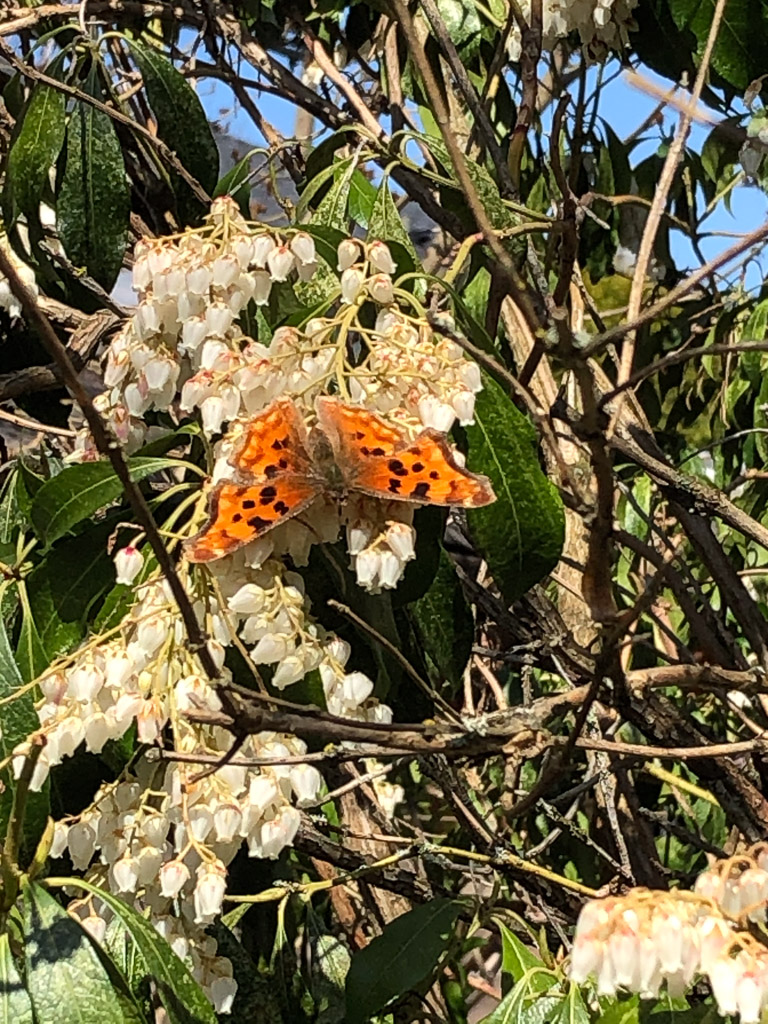
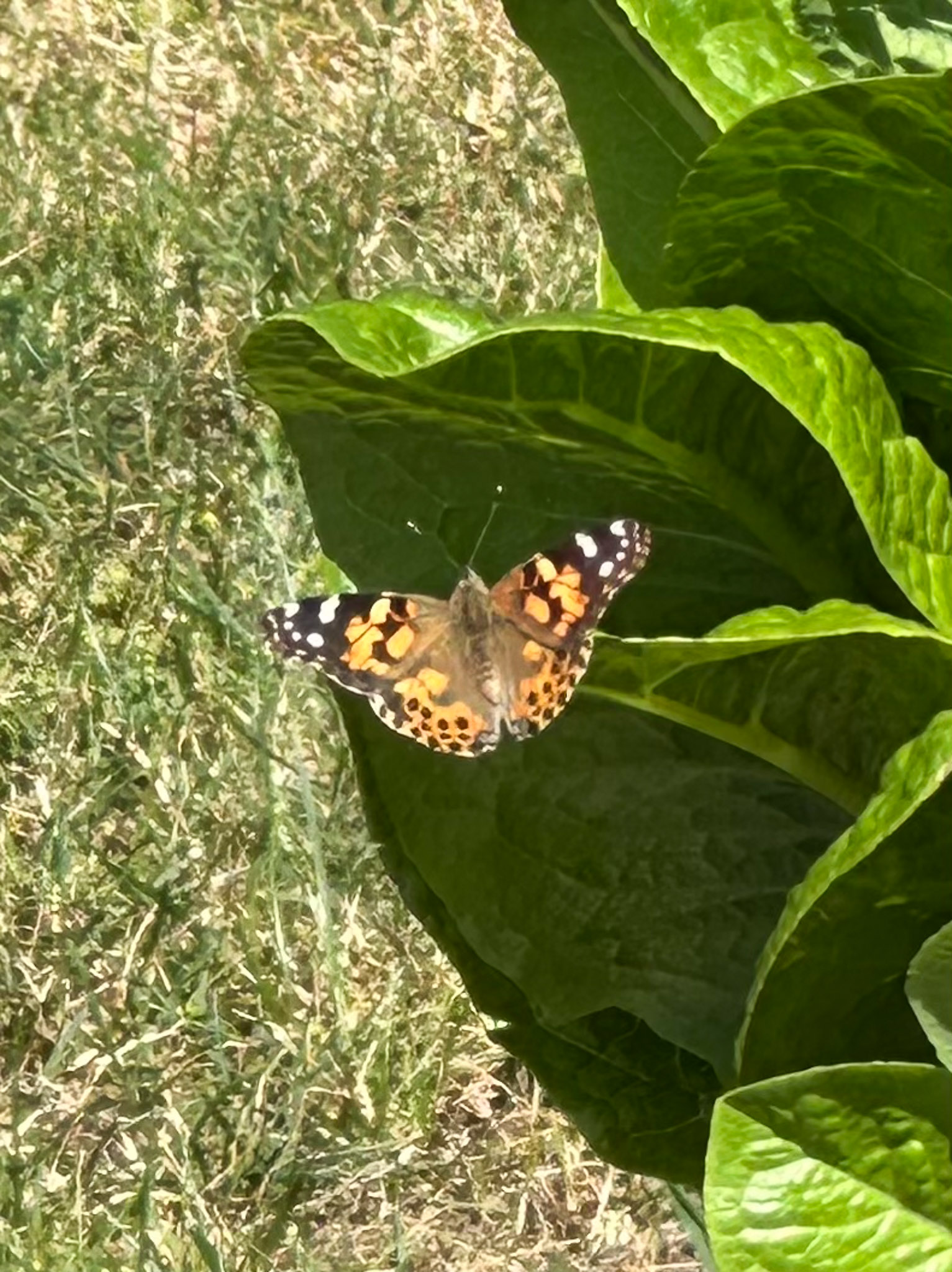
Butterflies and moths require specific native plants for their young to eat, because the caterpillars have evolved ways to de-toxify plant chemical defenses. Providing native species that are caterpillar food supports our beautiful butterflies–and remember, caterpillars are important food for birds, which are an important part of our garden ecosystem. Native raspberries, roses, plus our friends the asters, legumes, and willows, all support native caterpillars; so do common garden plants in the carrot family, and stinging nettles!
Choosing nativars
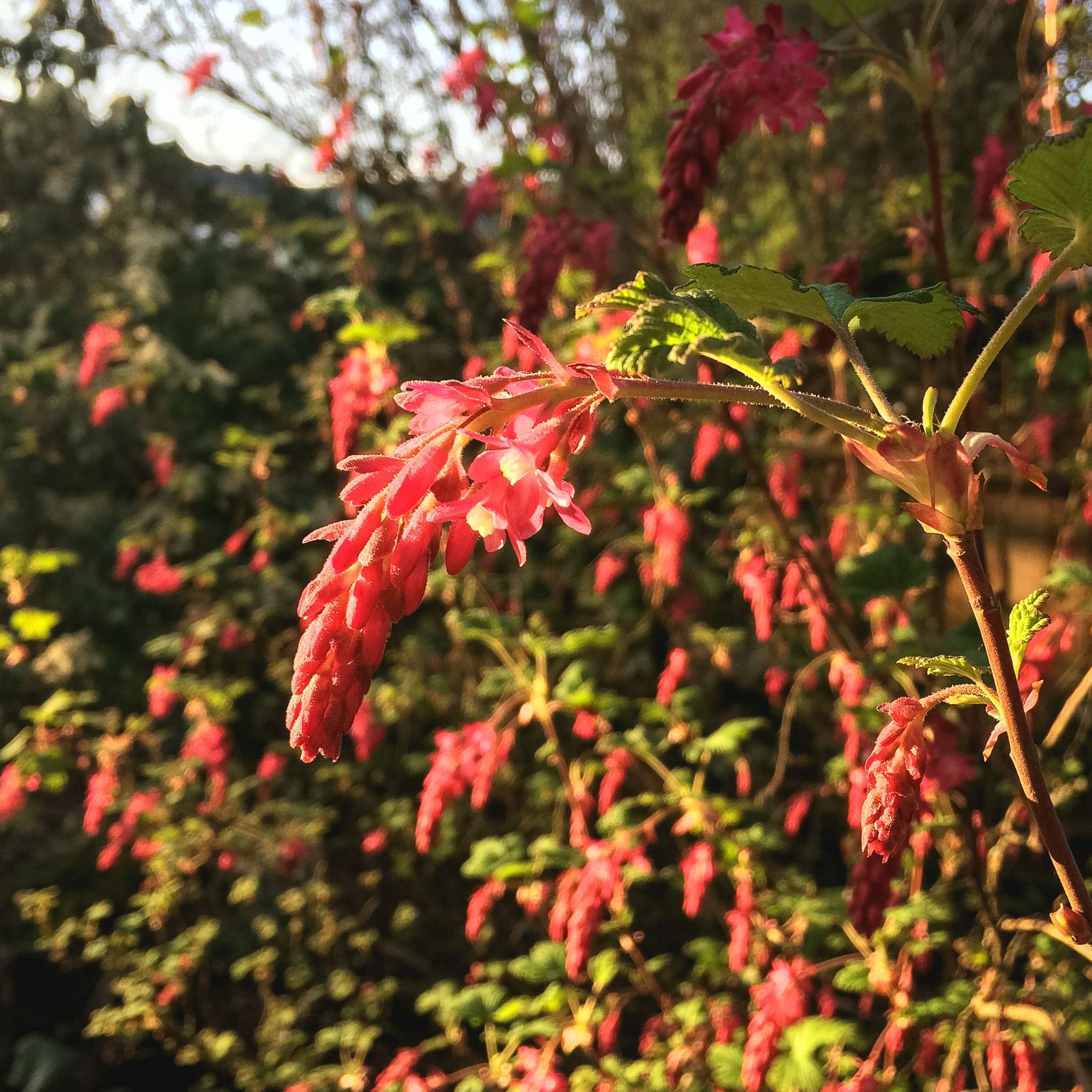
“Nativars” are cultivars of native plants. They are selected to be easy to grow, and to have traits we like as gardeners, like particular flower colours. Many nativars are a good choice for your garden, when the native species is difficult to find. One caution: if you are choosing a plant to support bees, ensure the flower isn’t too different from the wild form; similarly if you are choosing a plant to support caterpillars, choose one with leaves that aren’t too different from the wild form.
Continue Learning