Learn

Resources

Explore our pool of resources — including guides, reports and videos — to learn more about pollinators and improve your gardening and restoration practices.

Guides

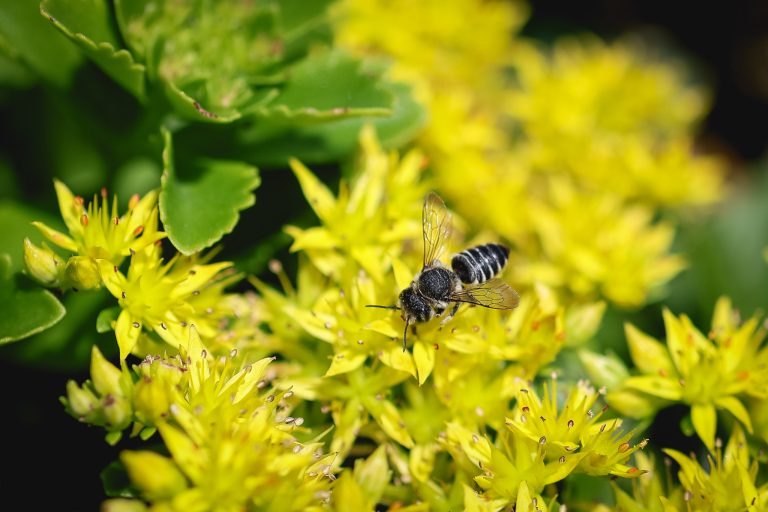
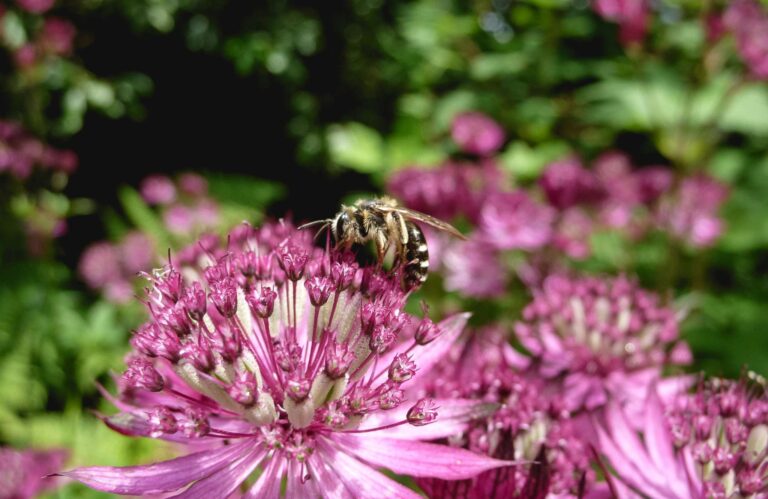
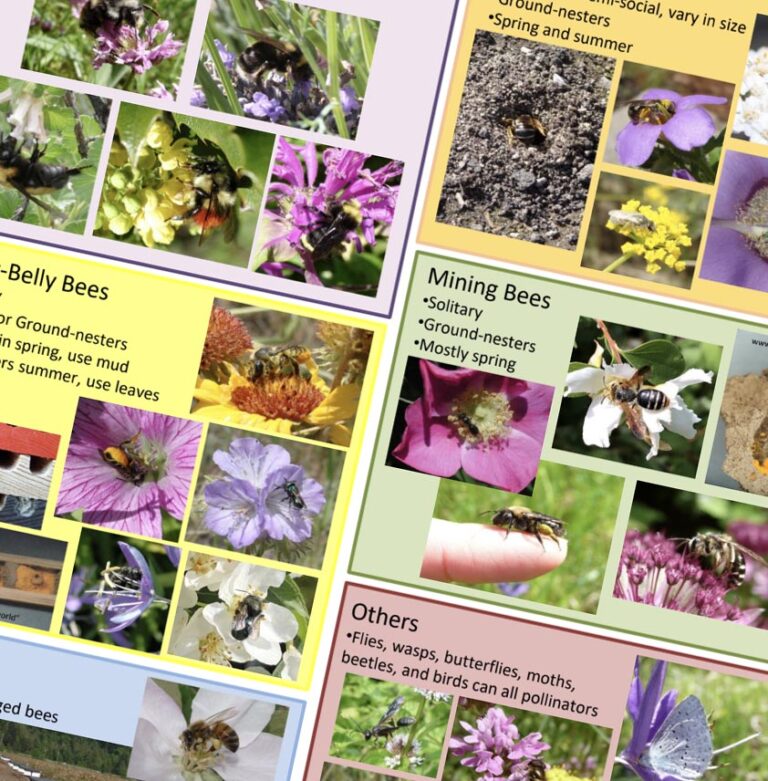
Learn about the common pollinators in B.C. and how to provide food and habitat.
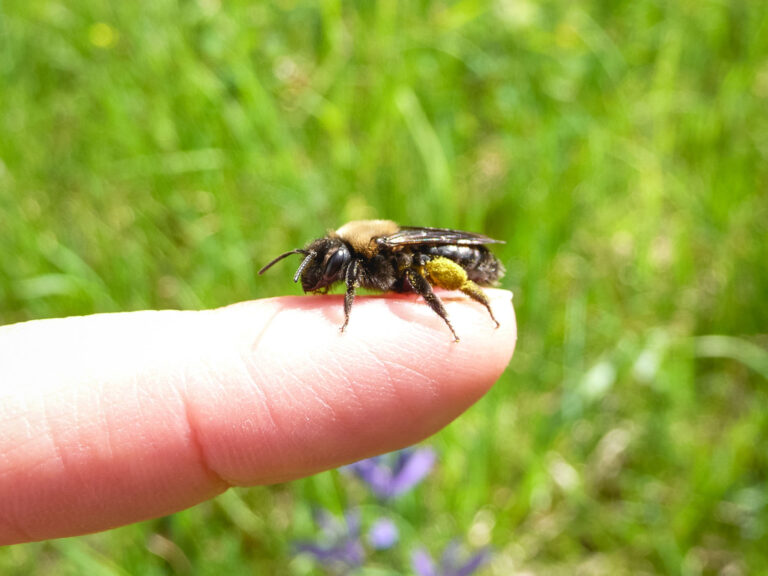
spring mining bee, on my finger
This guide is meant for those wanting to take the next step in identification of bees on the south coast of BC. Not quite a formal key, this guide is a way for a good naturalist to attempt to determine family or genus of the bees they may encounter. Some characters require magnification.

Reports & Publications

An archive of publications by Dr. Elizabeth Elle, Professor, Department of Biological Sciences, Simon Fraser University
In this report, we discuss what is happening to pollinator populations and where opportunities exist to help increase the diversity and size of regional pollinator populations.
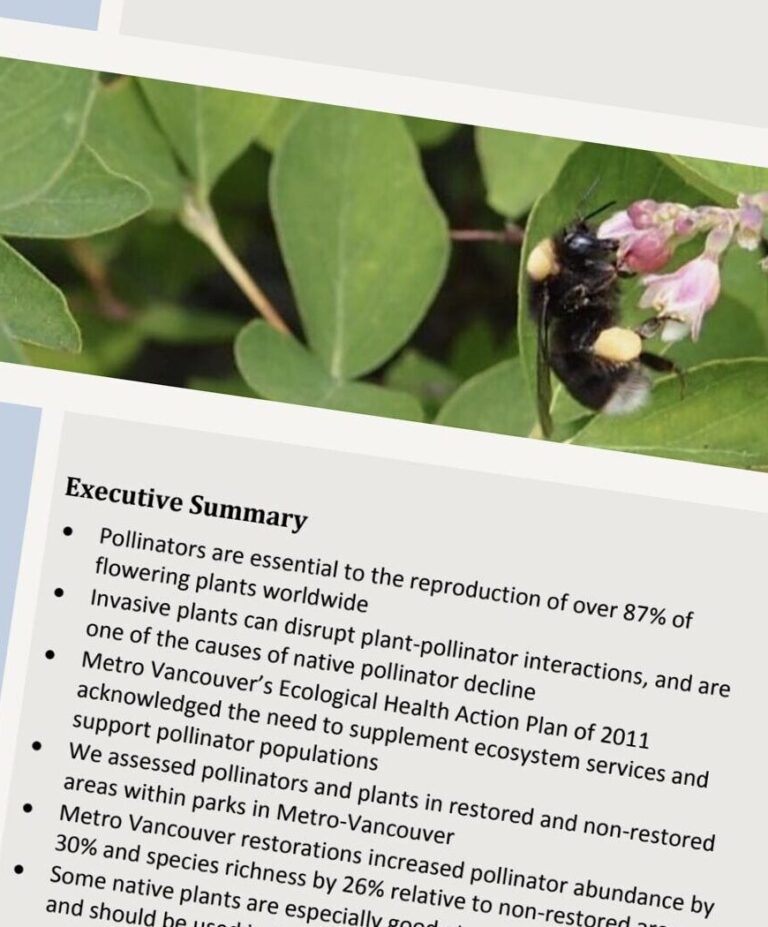
A report on the assessed pollinators and plants in restored and non-restored areas within parks in Metro-Vancouver.

Videos

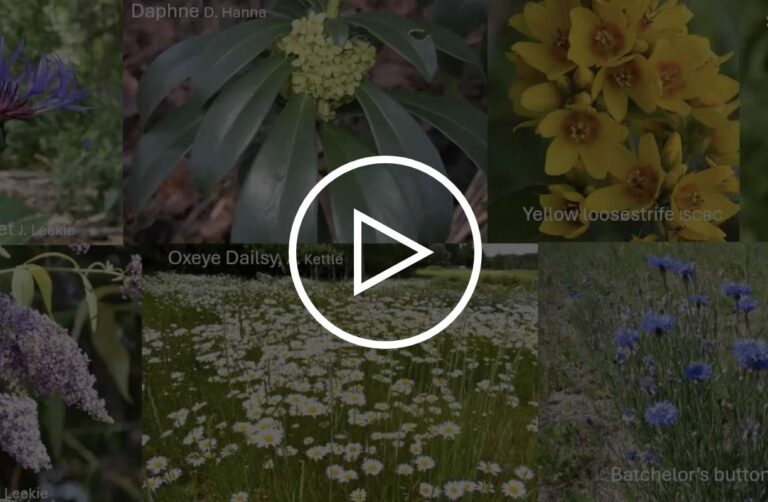
60 mins — This video explains what an invasive plant is, and how to plant for pollinators without using invasive plants in your garden. Created during Invasive Species month in May of 2024.
5 mins — A talk about the basics of pollinators in the context of invasive species. Created in 2016 for the Invasive Species Council of B.C..
3 mins — Short segment on “bee-friendly gardens”, for Friends of the Earth Canada in 2014.
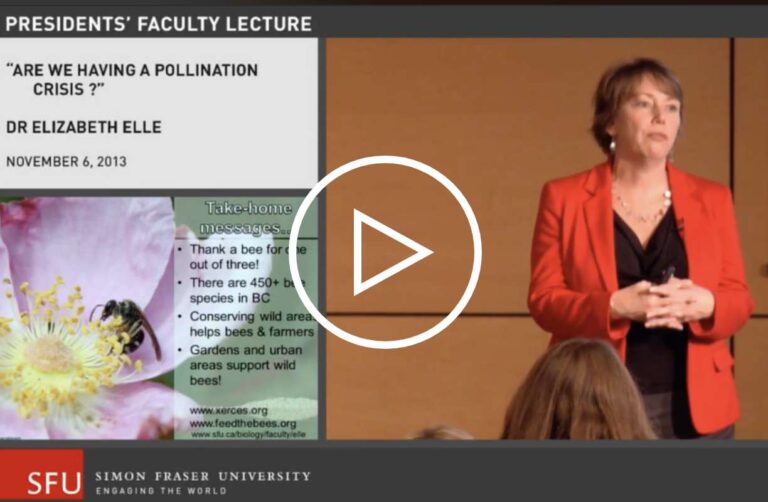
71 mins — Elizabeth’s President’s Faculty Lecture at SFU in 2013. More on the science of why some bees are declining, and how to support them by providing habitat.
58 mins — Elizabeth’s first “bee talk”, in 2009, when honeybee colony collapse first motivated the public to think about the importance of native bees. The video includes information about the diversity of bees in B.C., why some are at risk, and what you can do to support them.
Continue Learning

Your garden is an ecosystem: an interacting web of organisms and their environment. Providing an environment that supports beneficial organisms means they will do important work for you, like pest control, pollination, and nutrient cycling.
British Columbia is home to an incredible diversity of flower visitors, including almost 500 species of native bees. Learn about the vital role that pollinators play in ecosystem stability, their diverse characteristics and how to identify them.
Providing food and lodging is the best way to support pollinator conservation. Learn how you can create habitat in your backyard or on your balcony, and explore our research data that reveals the most pollinator-attractive plants.
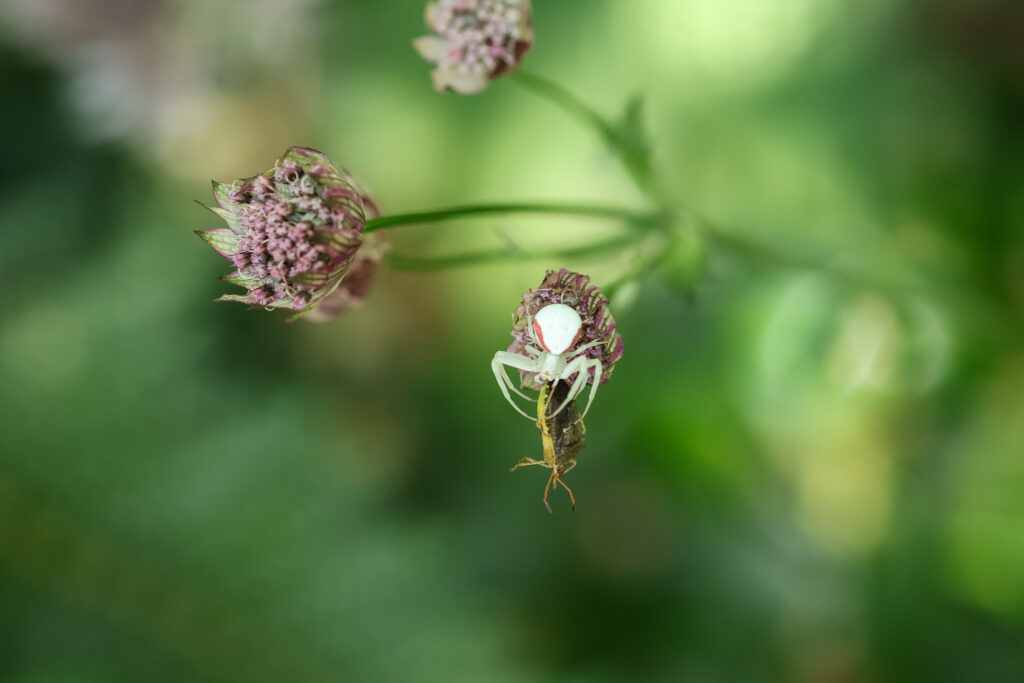
Crab Spider
Most bugs are good bugs. Those that are seen as “bad” to gardeners are usually the ones that eat our plants. Gardening ecologically means welcoming the predators that can control these herbivores in your garden.