Learn
Pollinators of Southern B.C.
British Columbia is home to an incredible diversity of flower visitors, including almost 500 species of native bees. Learn about the vital role that pollinators play in ecosystem stability, their diverse characteristics and how to identify them.
Introduction to Pollinators
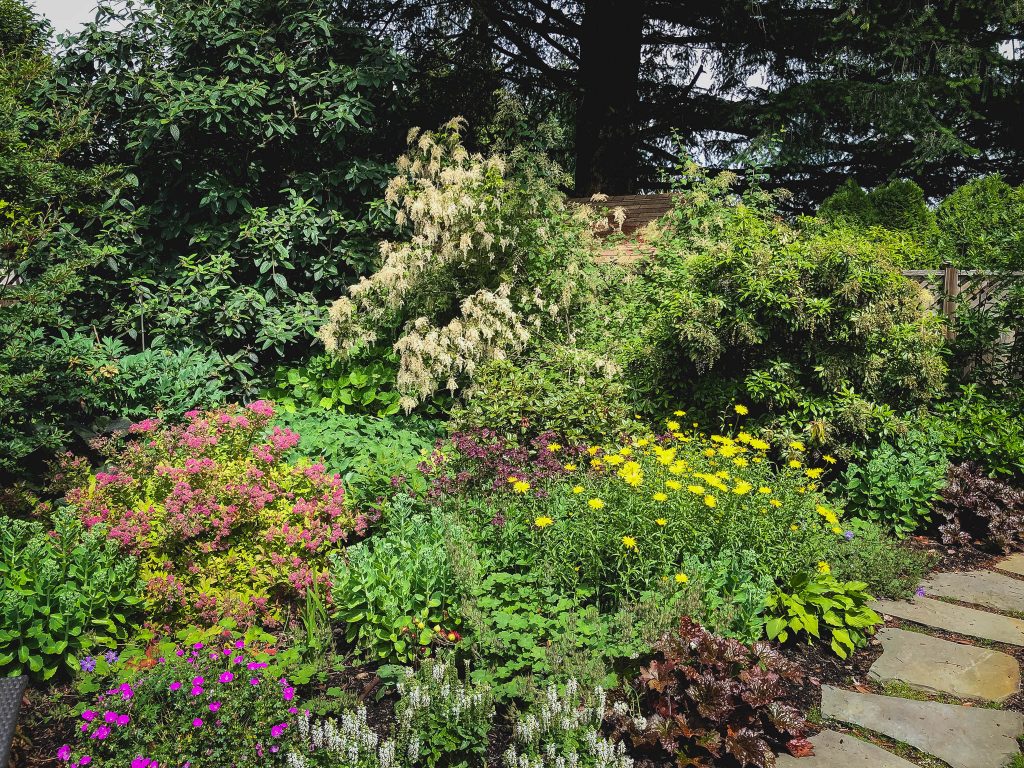
Almost 90% of flowering plants need pollinators to reproduce, so pollinators are important for ecosystem stability. Like all animals, pollinators need two basic things: food and a place to nest. Creating habitat in your backyard or on your balcony provides food and lodging and is the best way to support pollinator conservation. See my resources on planting for pollinators for information on the best plants for pollinators on the south coast of British Columbia.
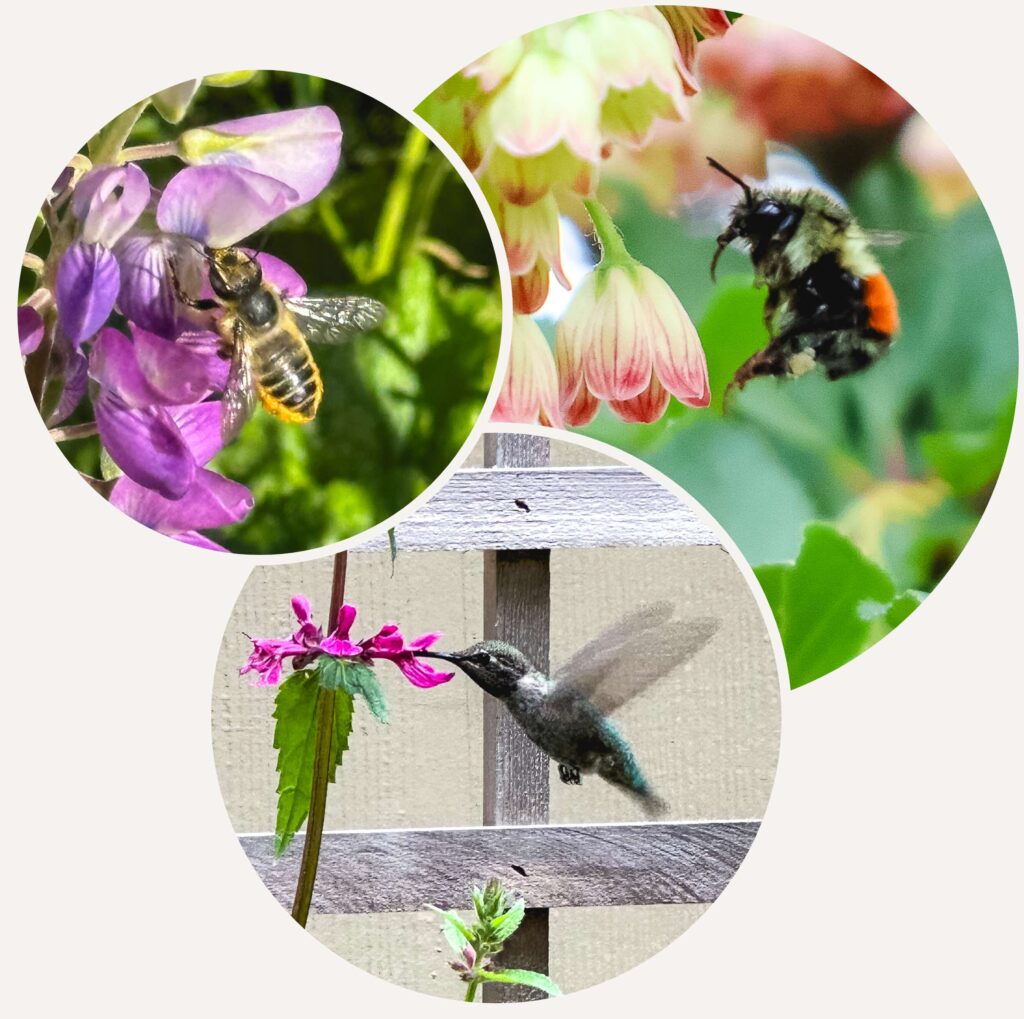
Female bees are the most important pollinators in our region, because they collect pollen and nectar to feed their offspring. This means they visit more flowers per unit time and are more likely to contact and move pollen than other flower visitors. Of course, any animal that visits a flower can pollinate, including flies, wasps, butterflies, beetles, and birds. Many of these are beneficial beyond pollination; for example flies and wasps are amazing at pest control.
Common Pollinators in British Columbia
Many pollinators can’t be identified to species from a photograph or “on the wing”, but with careful attention you can identify major categories of visitor (bee, fly, wasp) and within the bees, the family or genus. The guide below will help you get started.
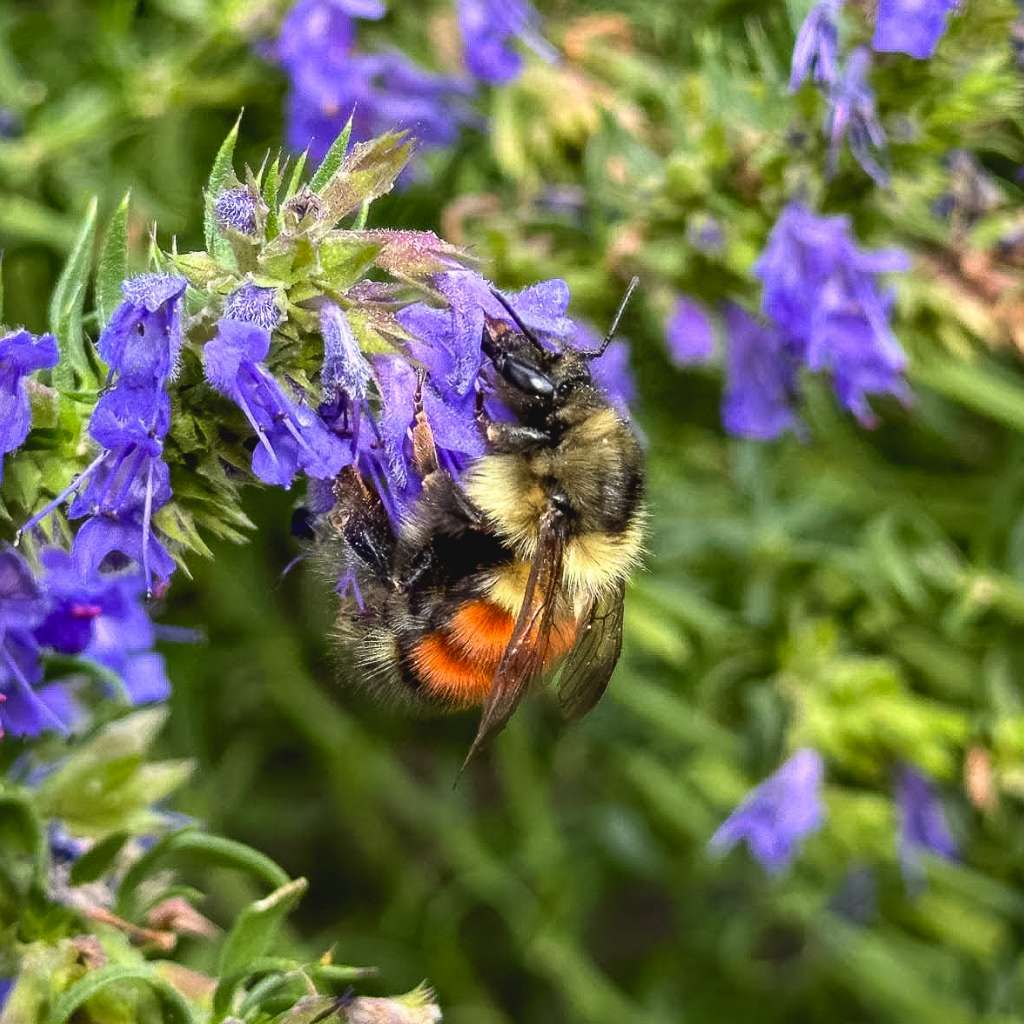
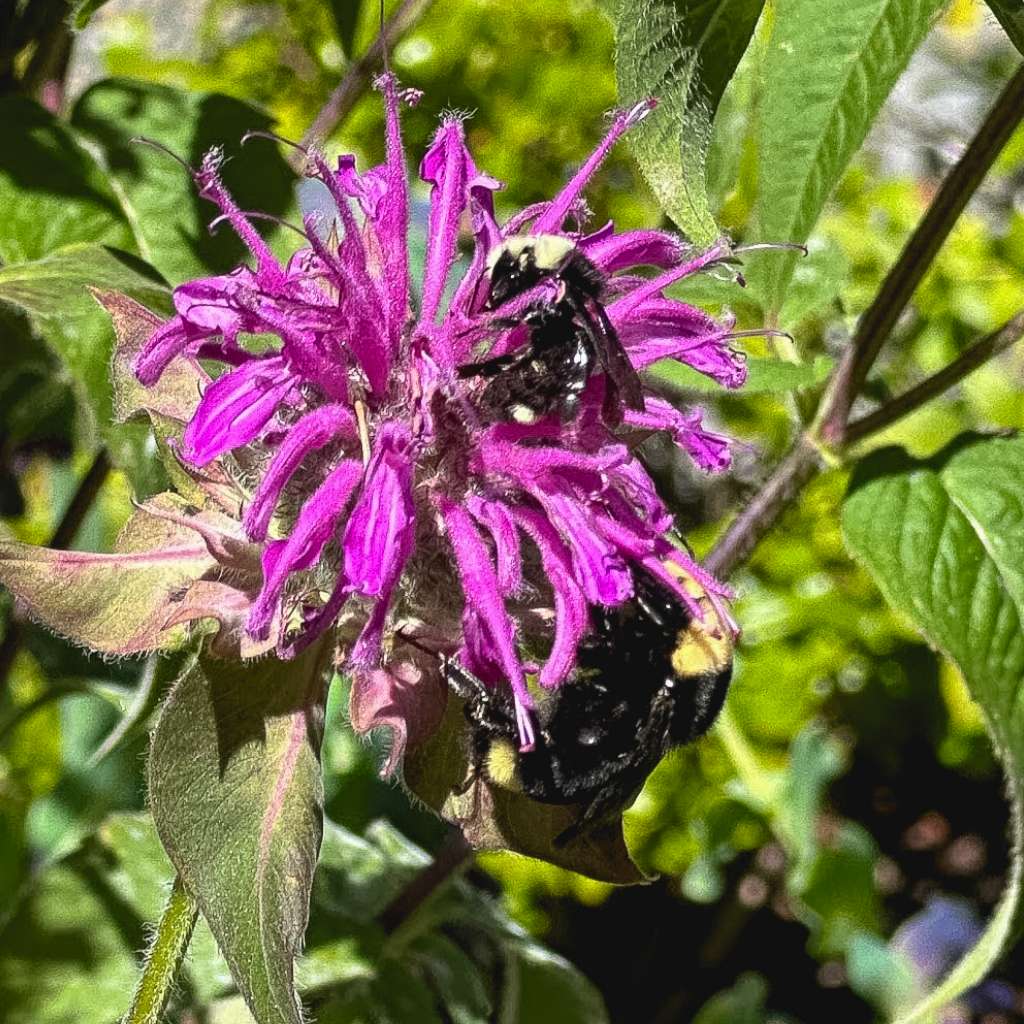
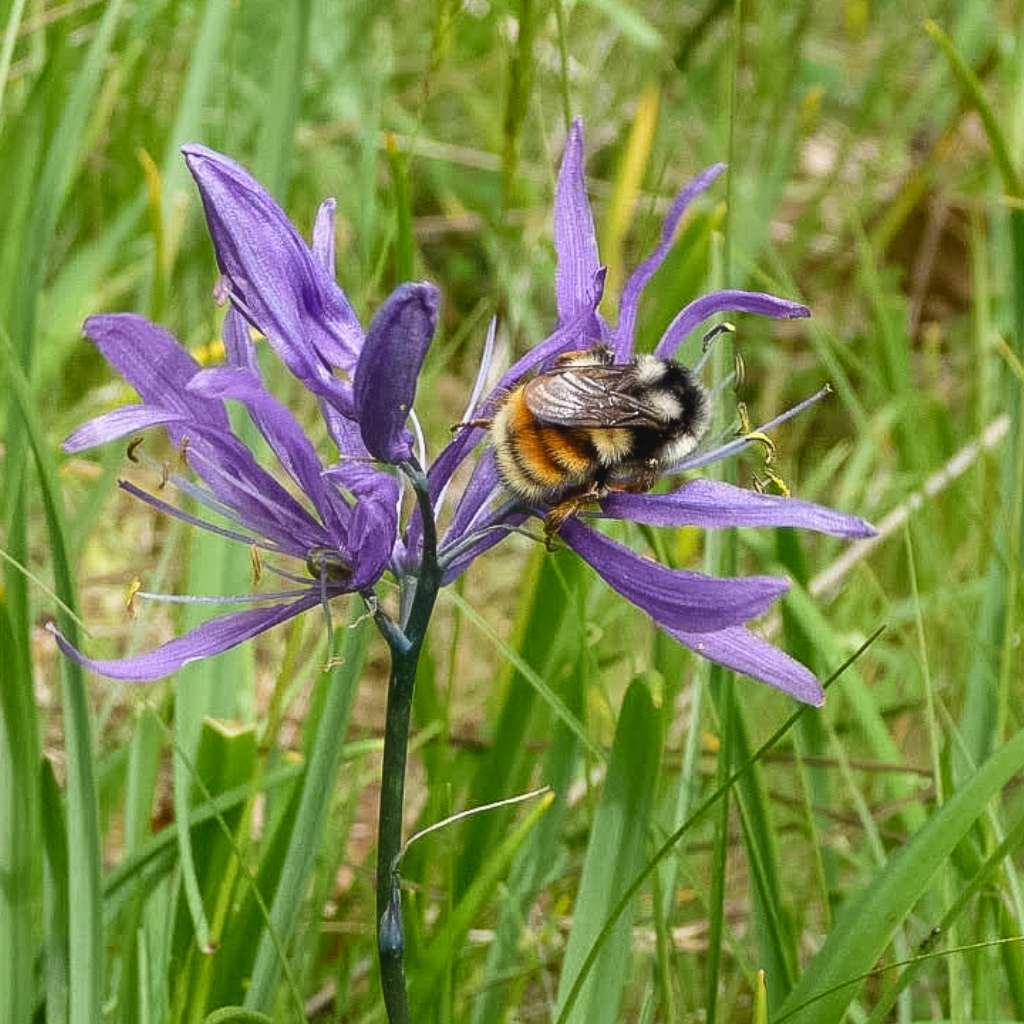
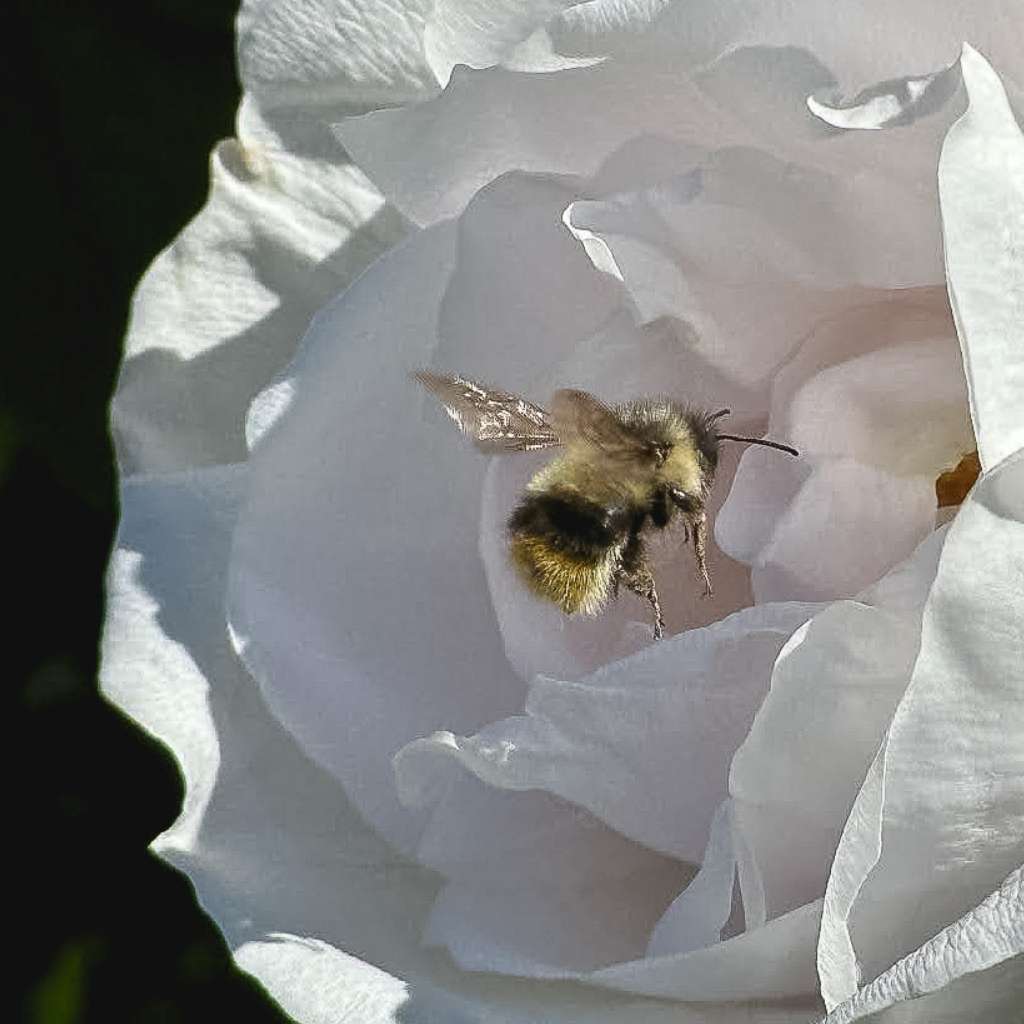
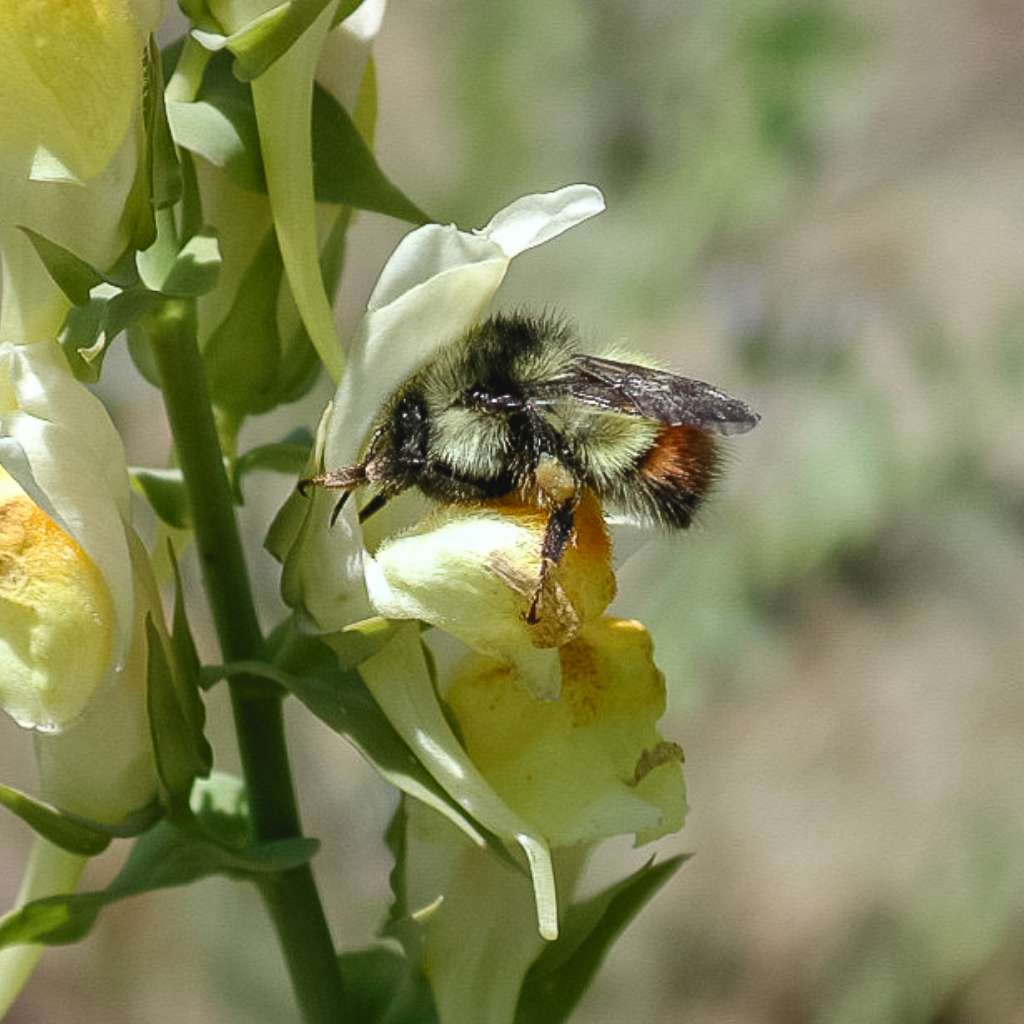
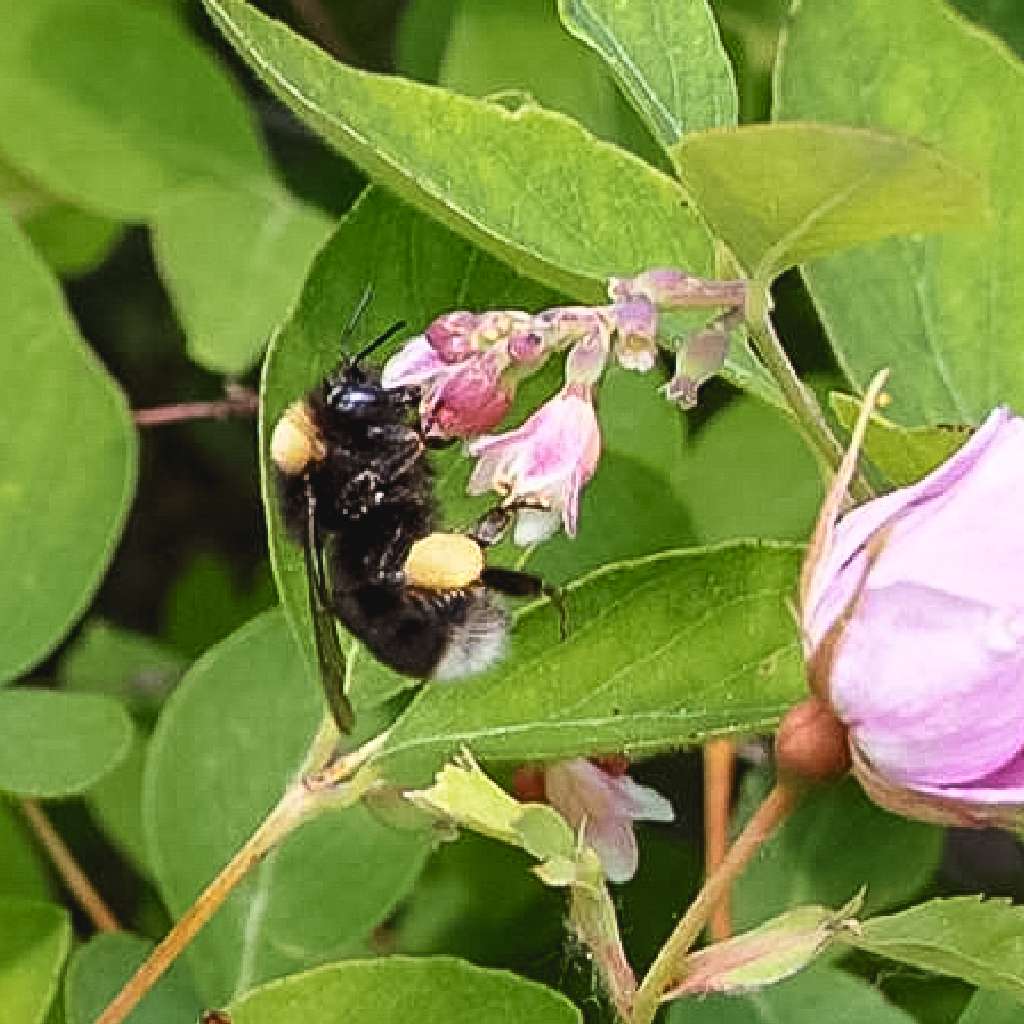
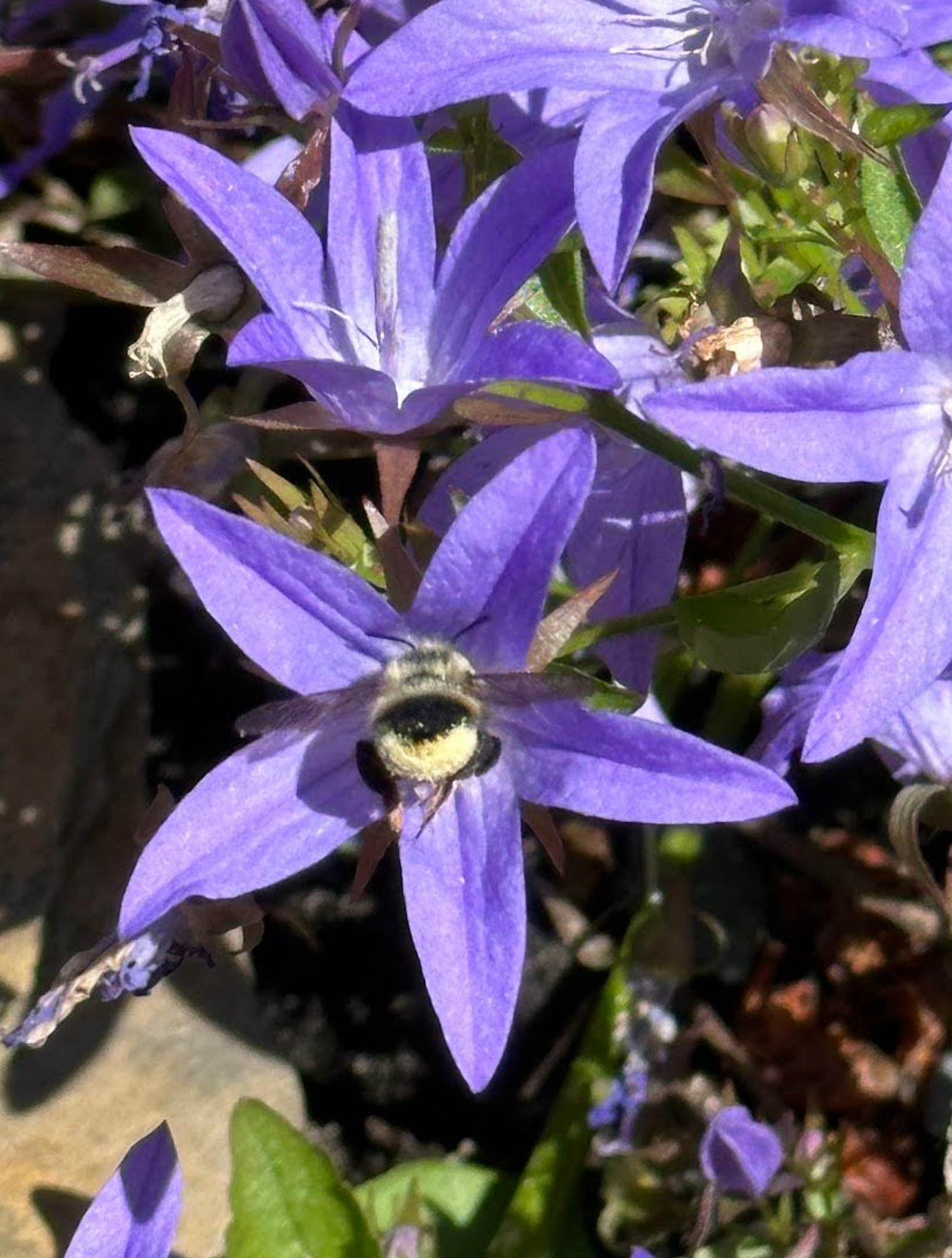
Bumble Bees
Lifecycle: Social: have a queen and workers.
Nest: Most in our region are ground-nesters, using existing holes (like mouse holes, or air spaces in compost!). A few nest above ground, and sometimes will occupy chickadee nest boxes.
Size: Queens can be as much as 2.5 cm long, and workers usually much smaller, sometimes even less than a centimeter.
Pollen: transported by female bees in “pollen baskets” on the rear legs.
Active Time: Spring, Summer, and early Fall.
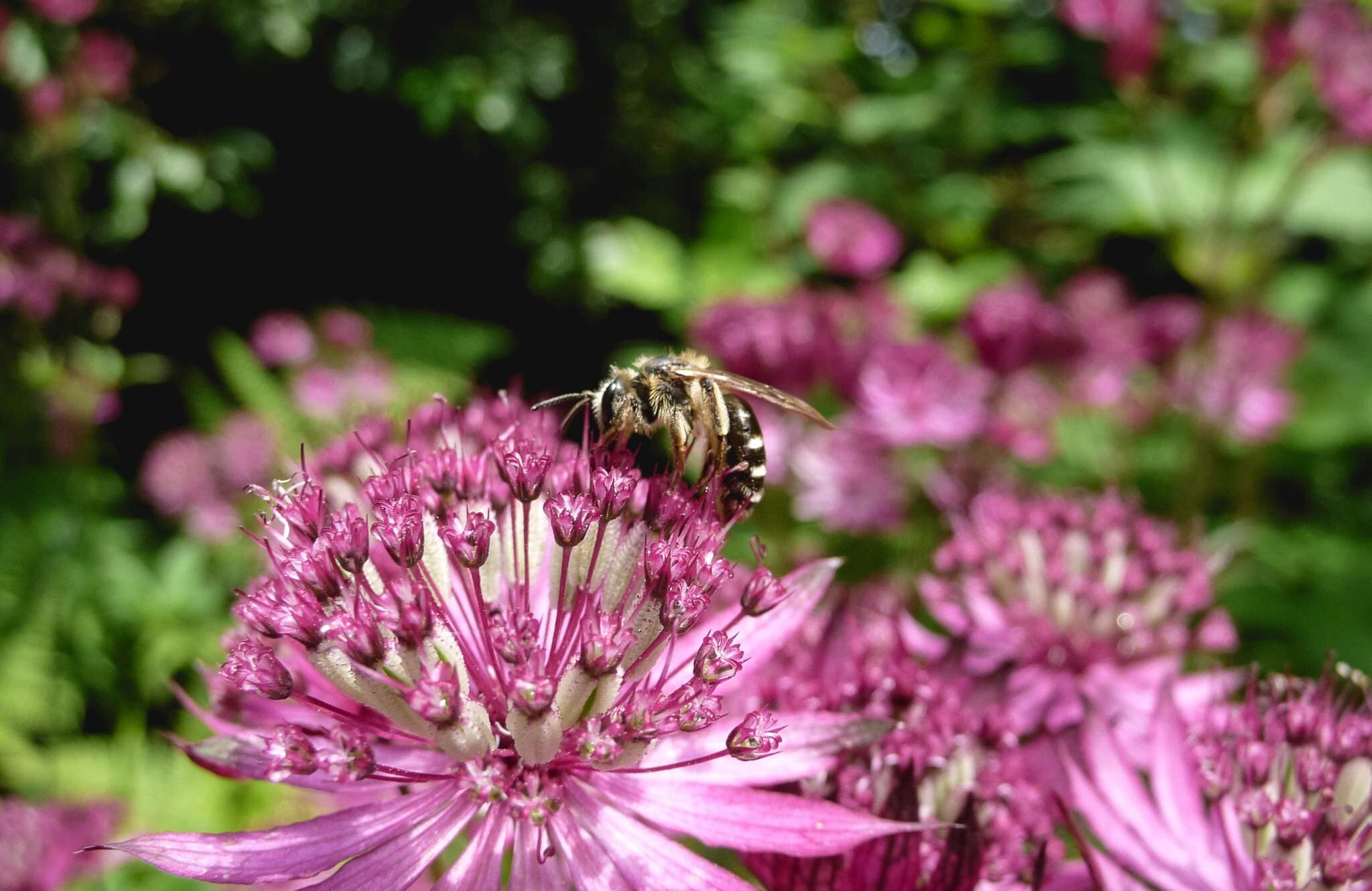
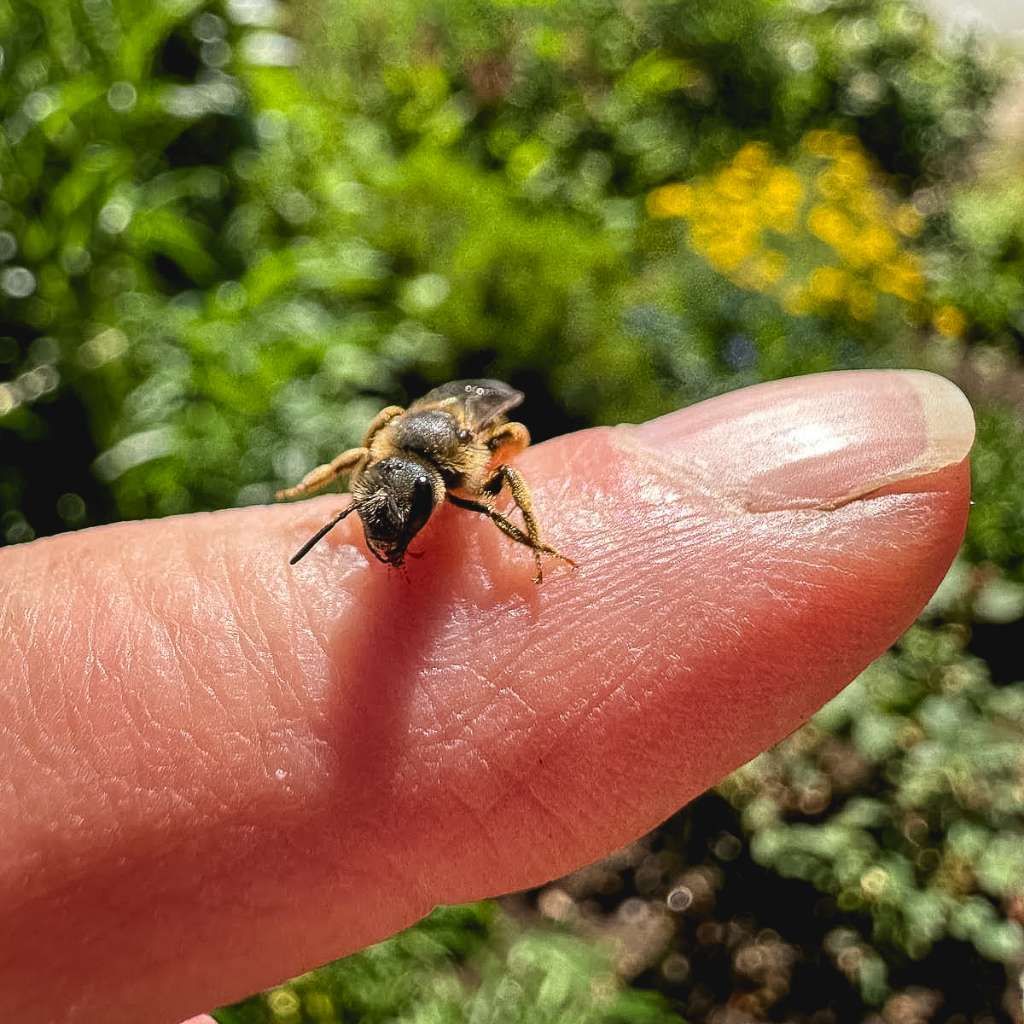
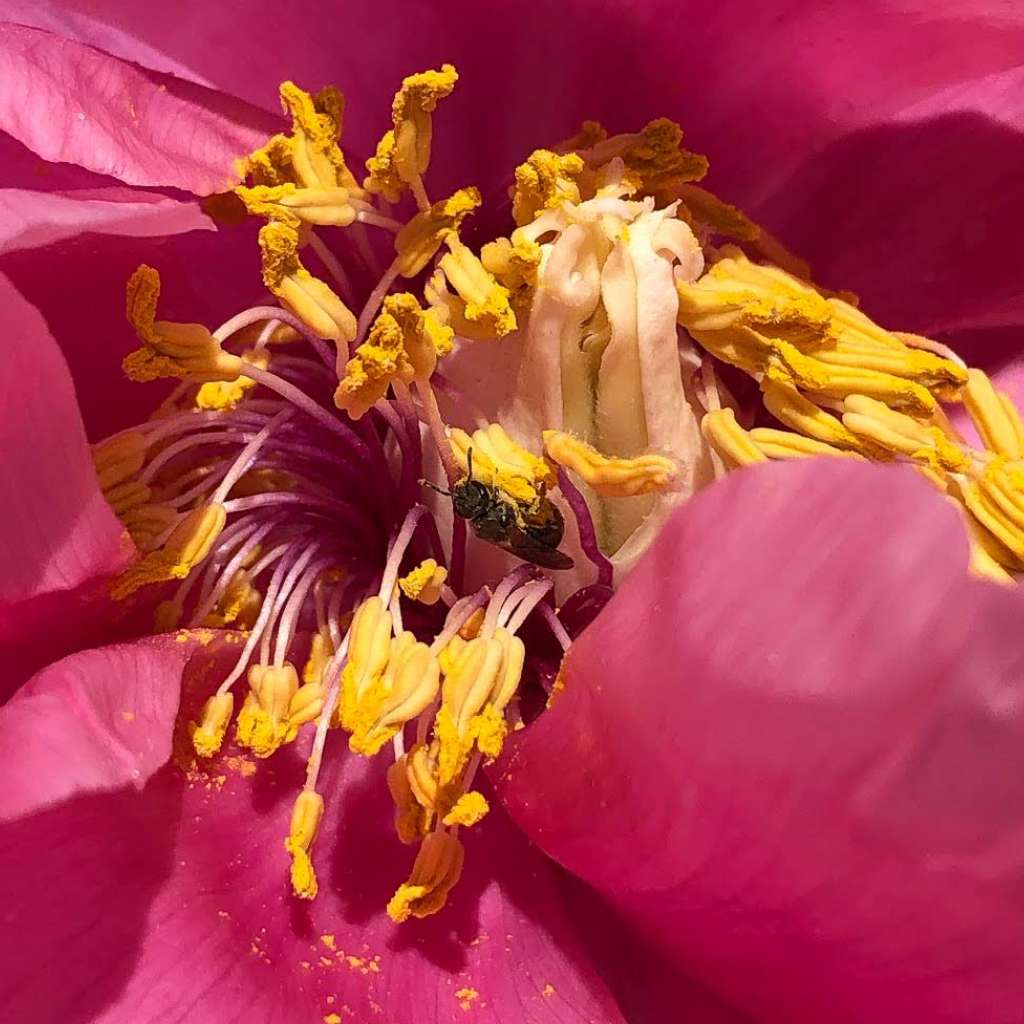
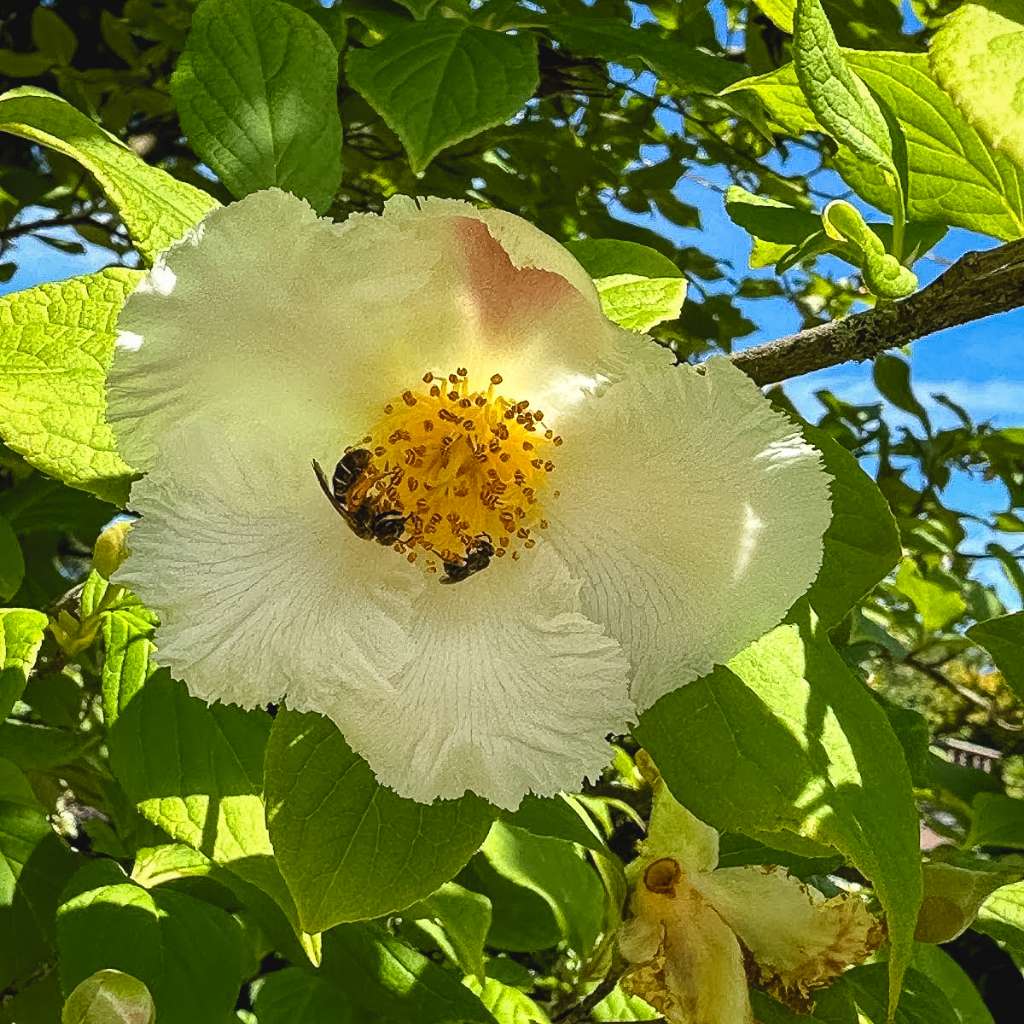
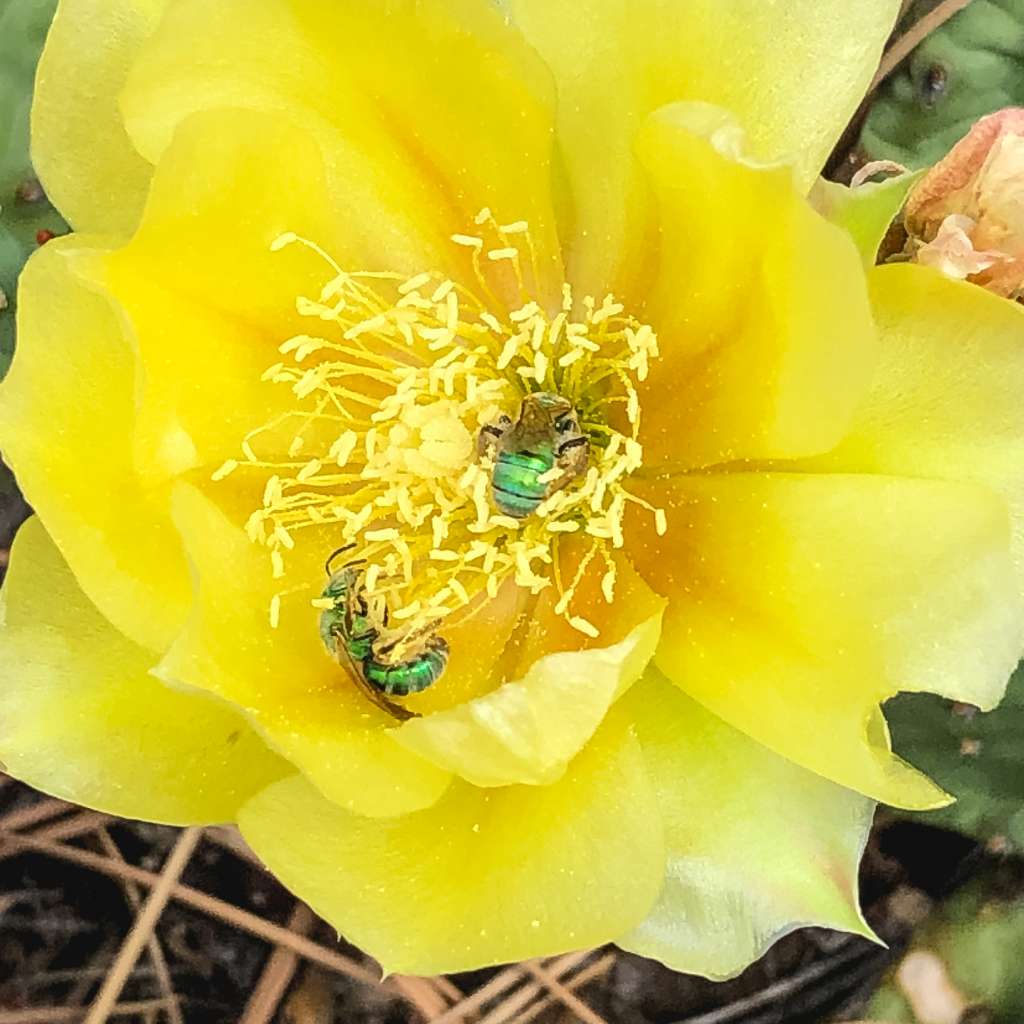
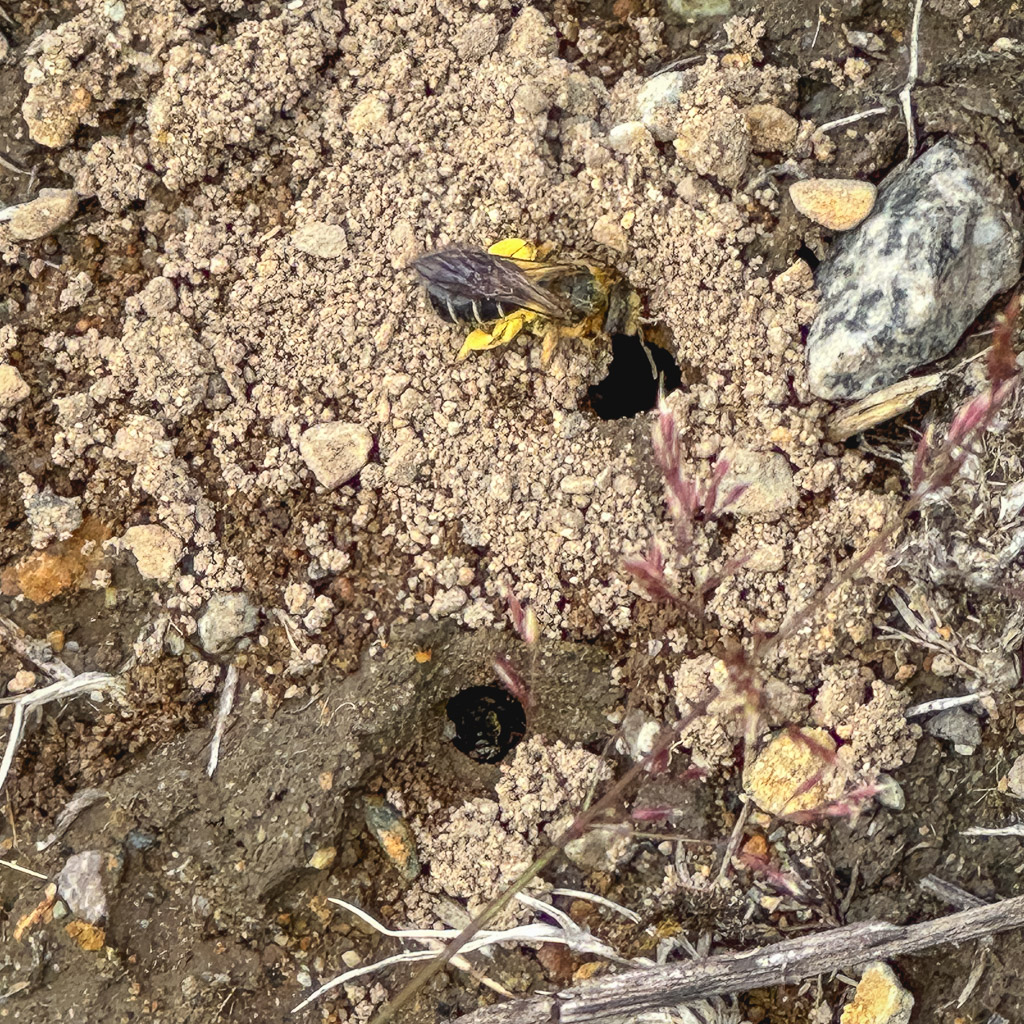
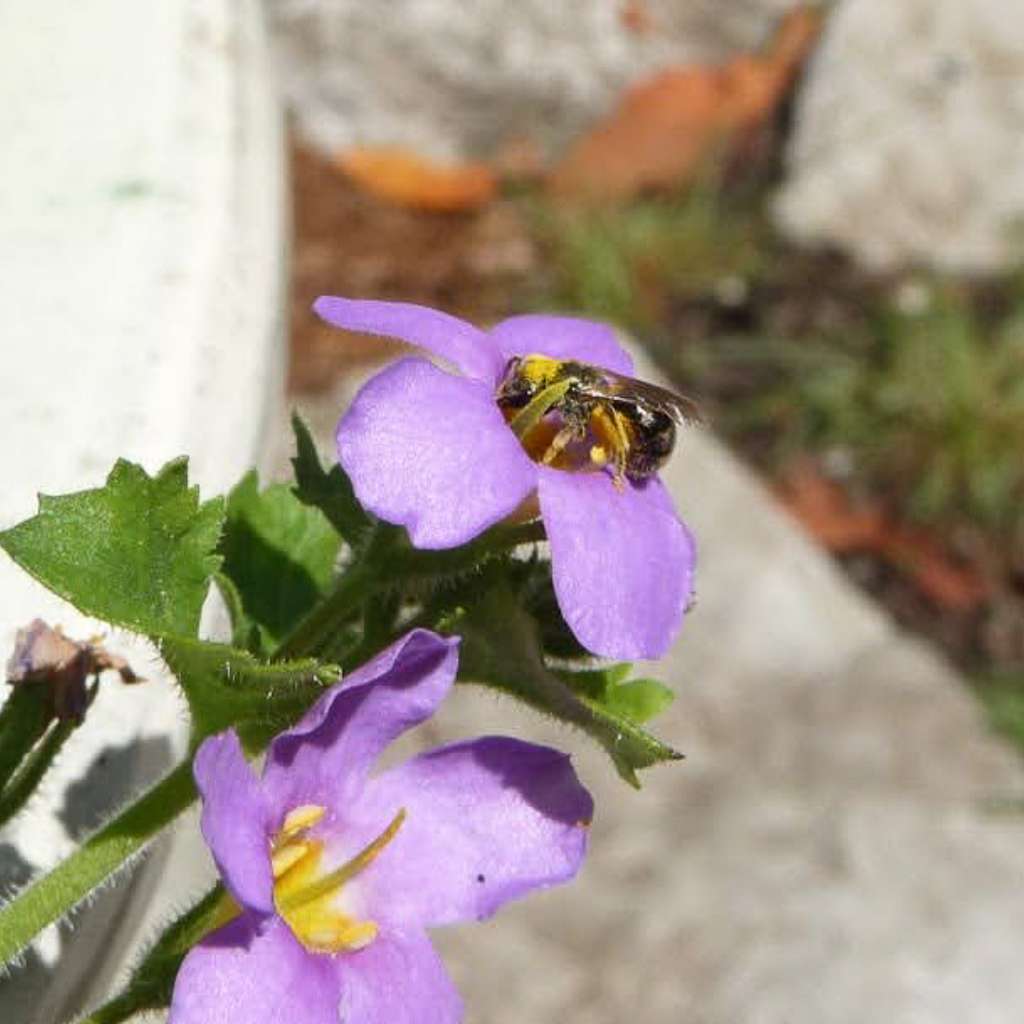
Sweat Bees
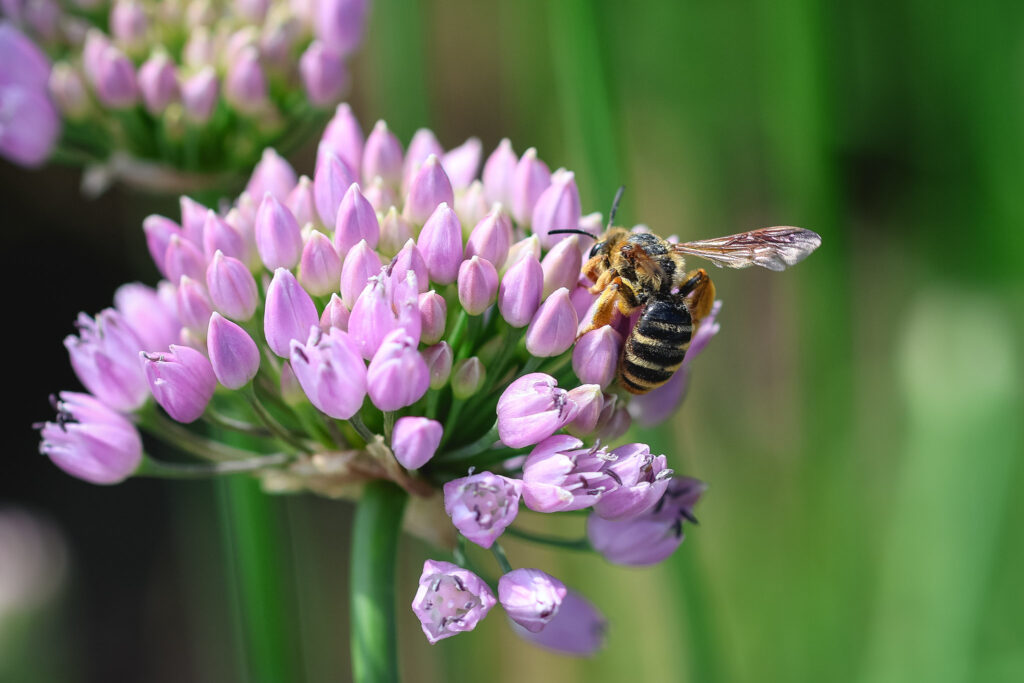
Lifecycle: Solitary or semi-social bees; each female starts a nest in many cases.
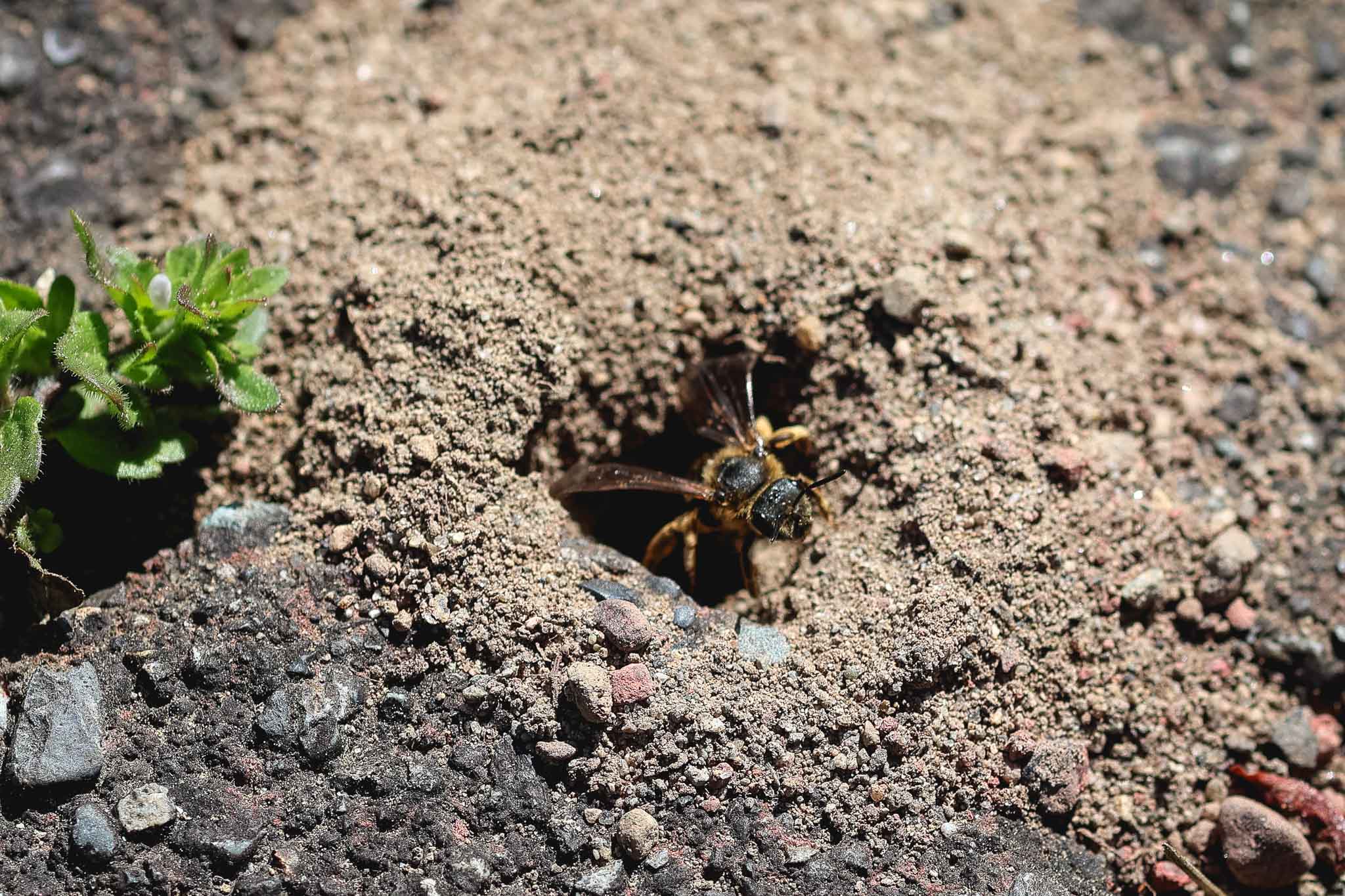
Nest: Nests in the ground. Holes are often excavated in compacted soil with little plant cover.
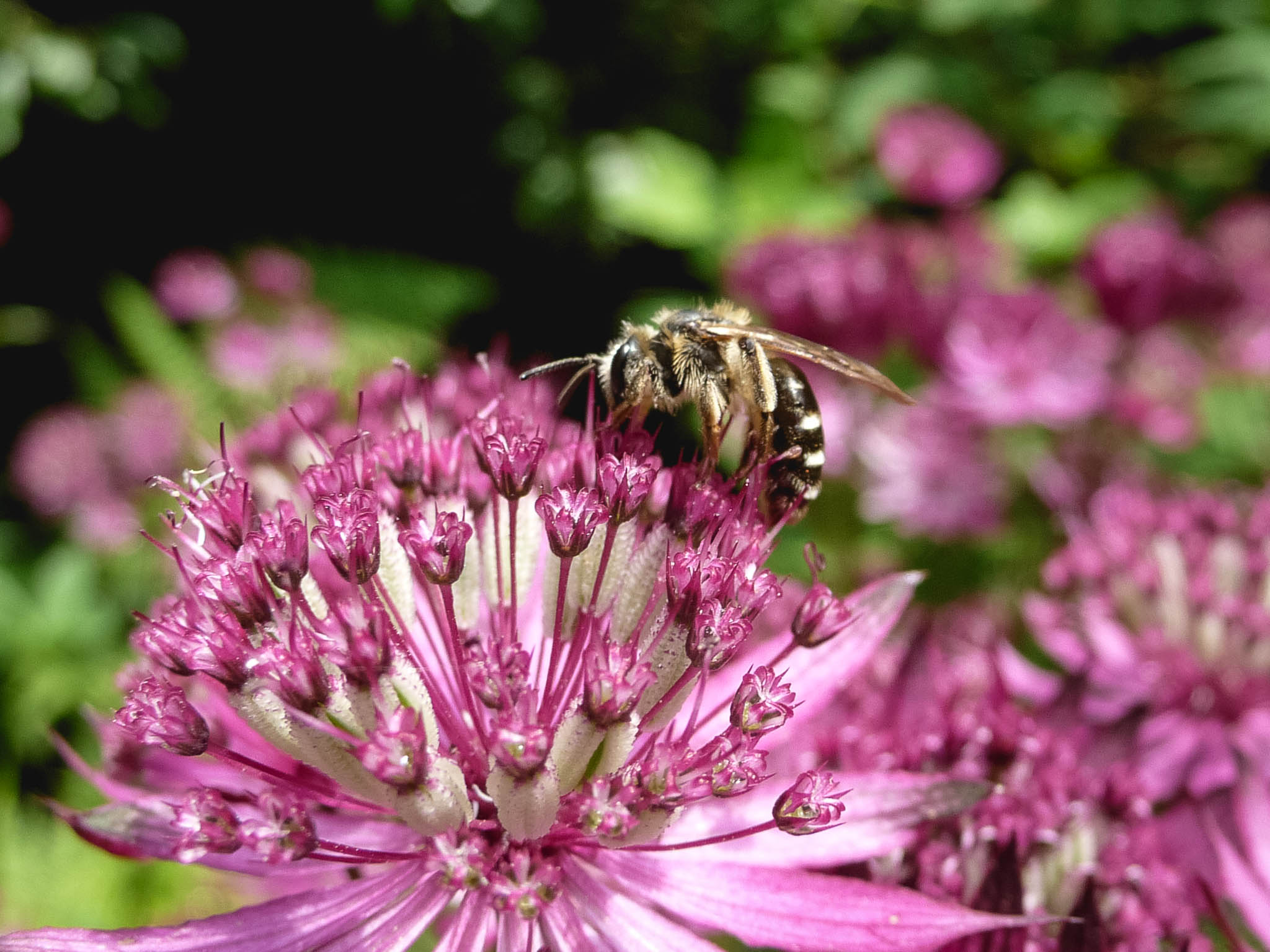
Size: Ranges greatly; common species include some that are just a few millimeters in length, other common species are around 1.5 centimeters. Include some metallic bees. Body type is long and thin.
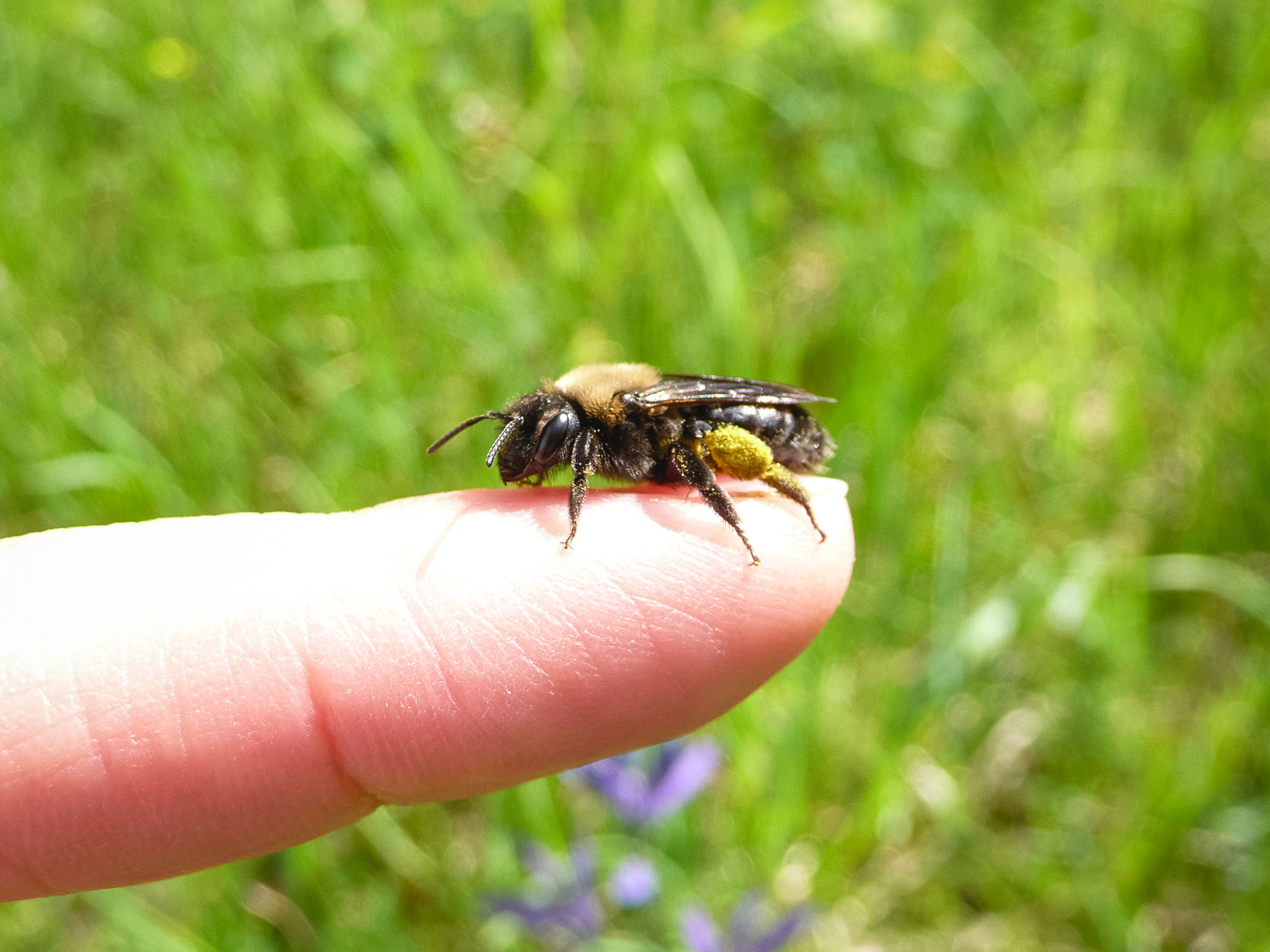
Pollen: Have “pollen pants”, pollen transported along the entire leg. Resemble mining bees.
Active Time: Spring and Summer.
Mining Bees
Lifecycle: Solitary bees; each female starts a nest.
Nest: Holes are excavated by the female, just like sweat bees.
Size: In our region, most are about 1-1.5 centimeters in length. Body type long and thin.
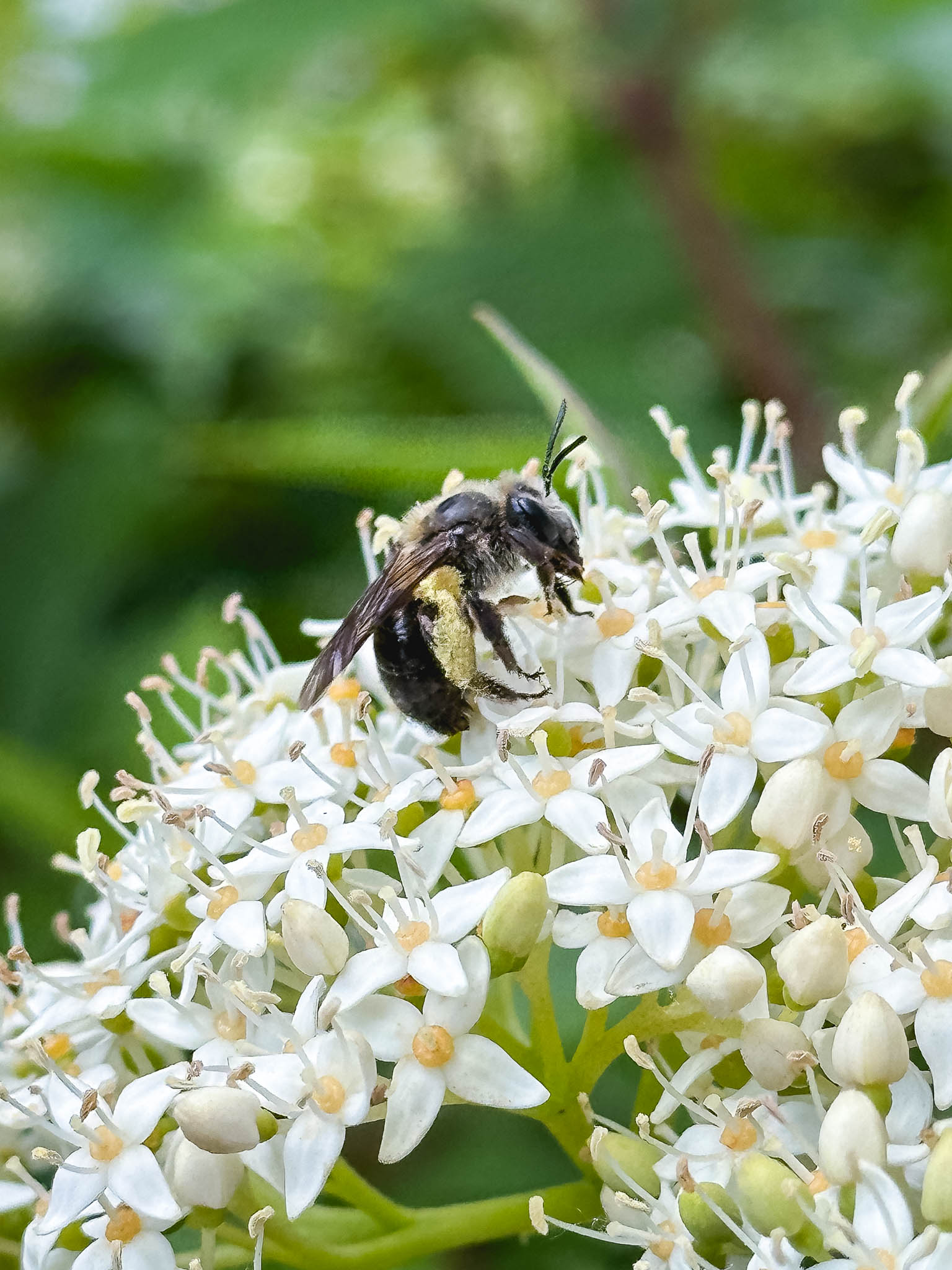
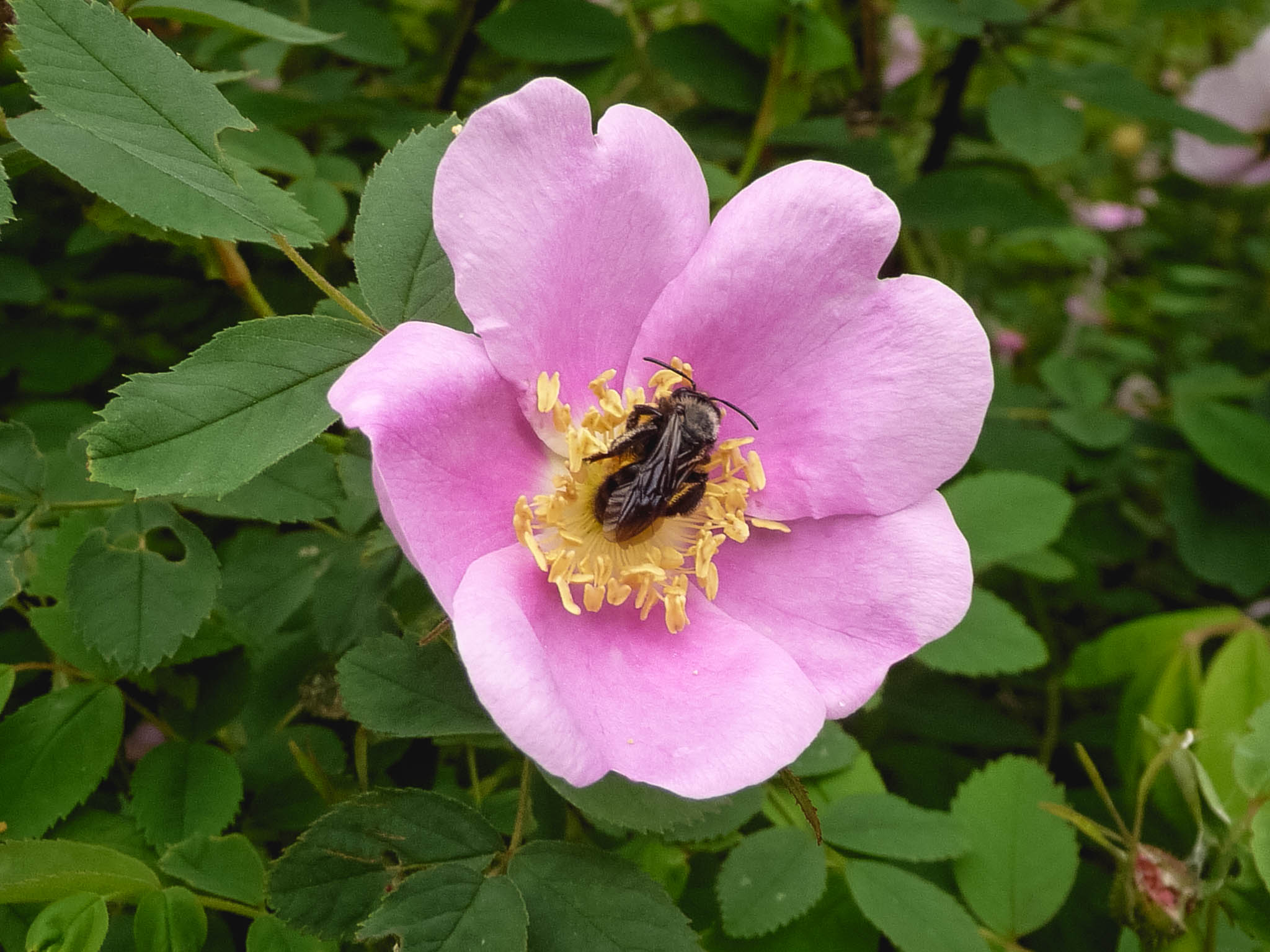
Pollen: Have “pollen pants”. Resemble sweat bees.
Active Time: Mostly in Spring in our region. Some mining bees are specialists, collecting pollen from just one genus or family of plants.
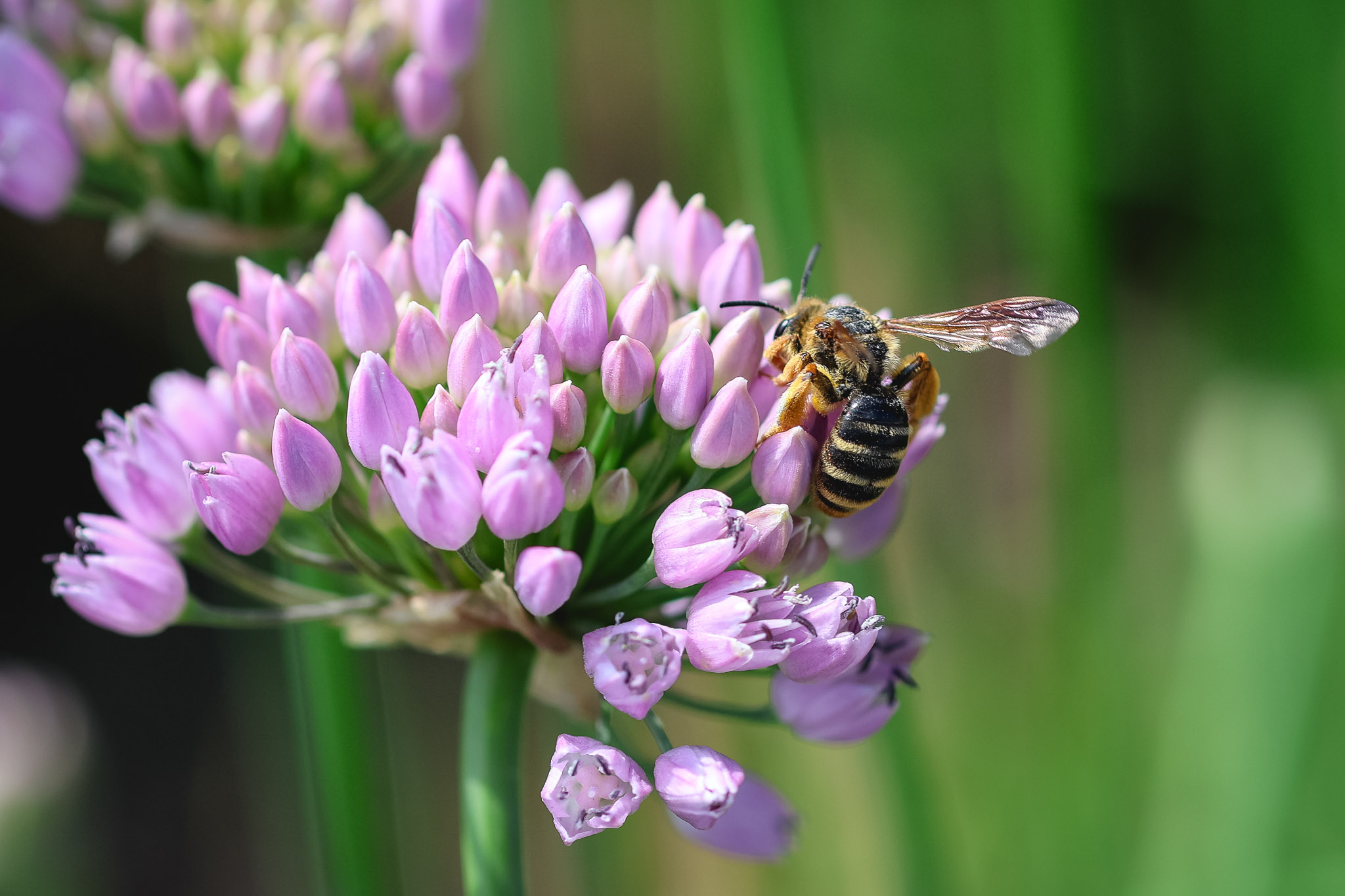
Hairy-Belly Bees
Lifecycle: Solitary bees; each female starts a nest.
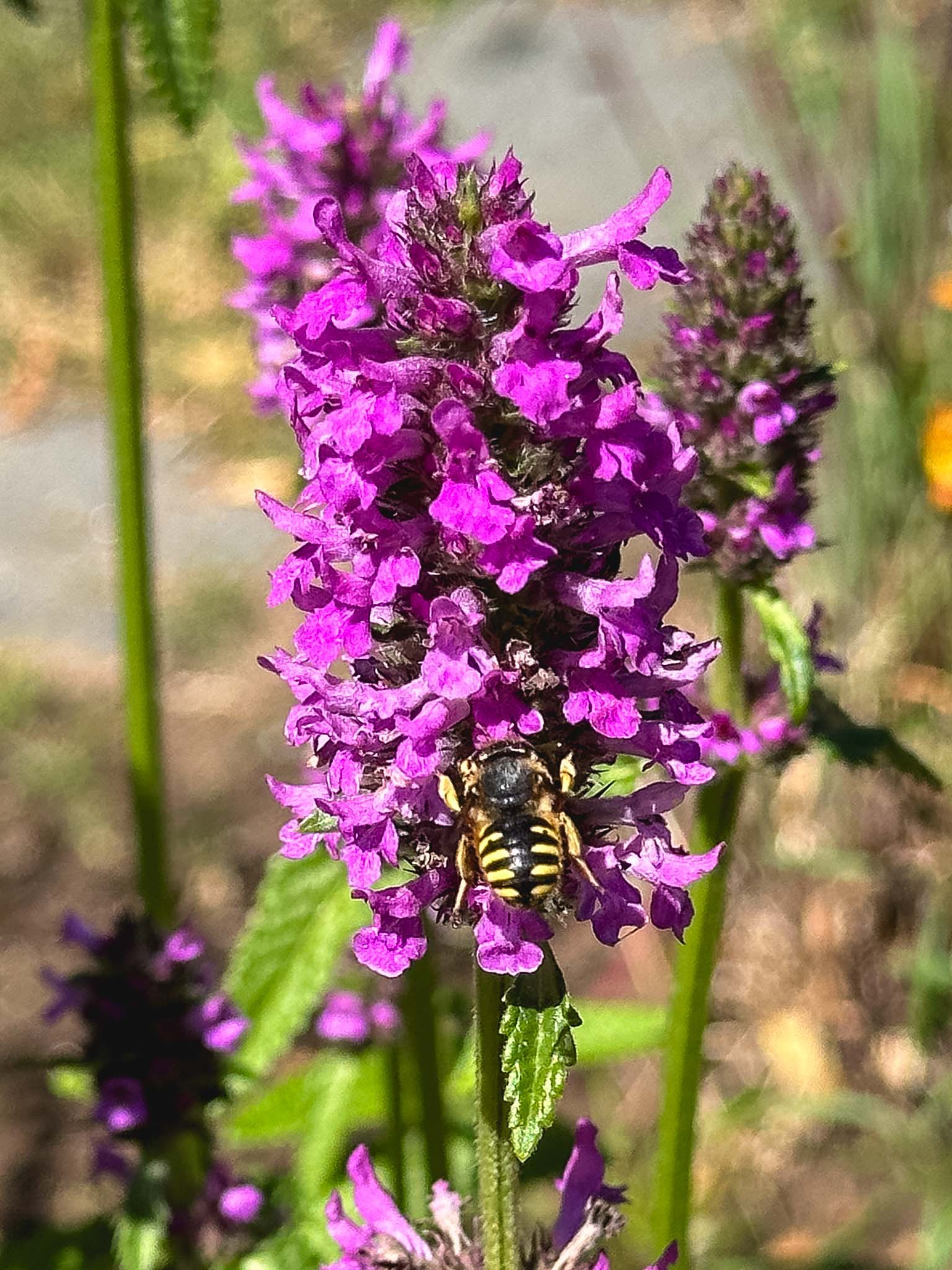
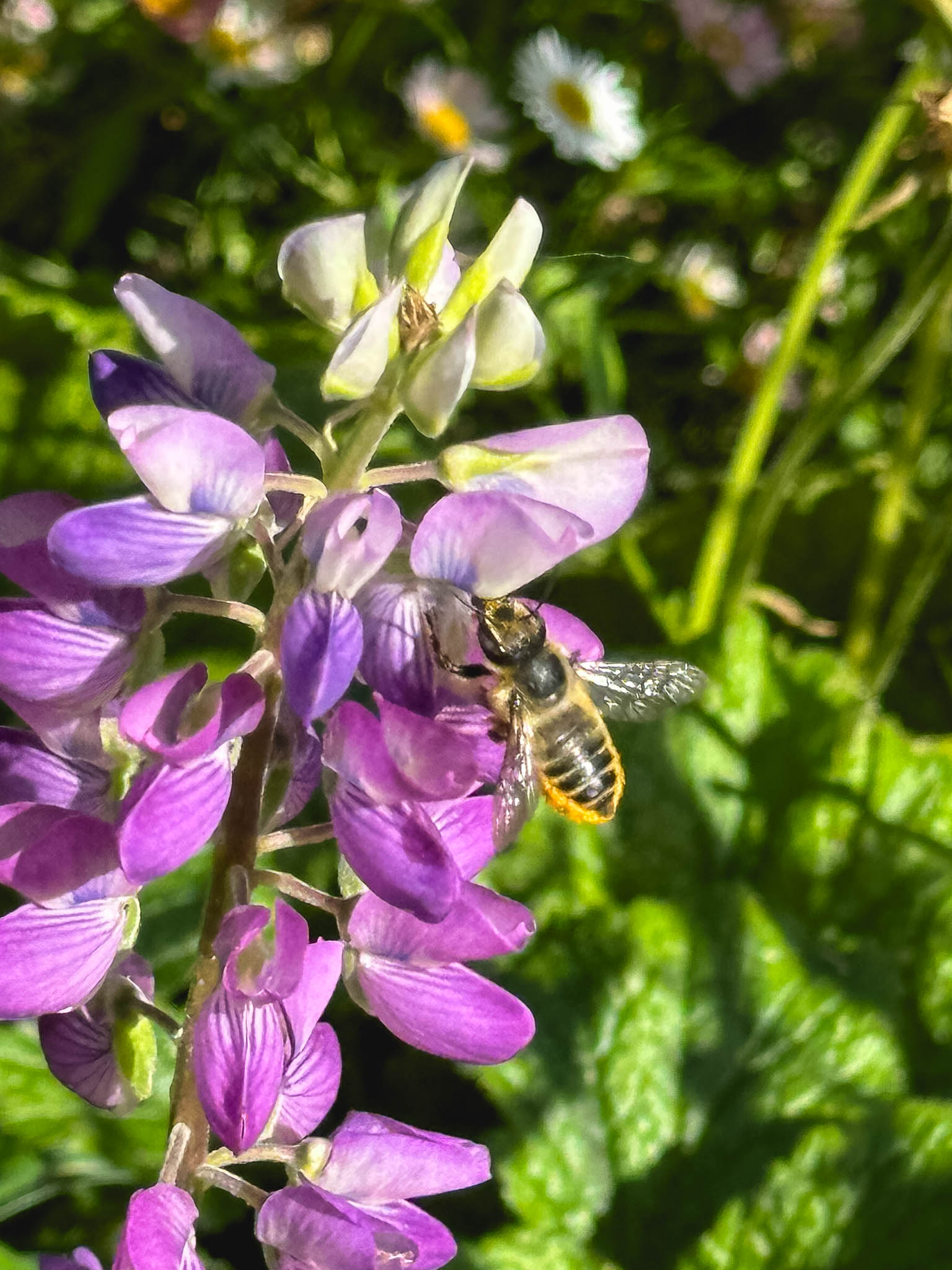
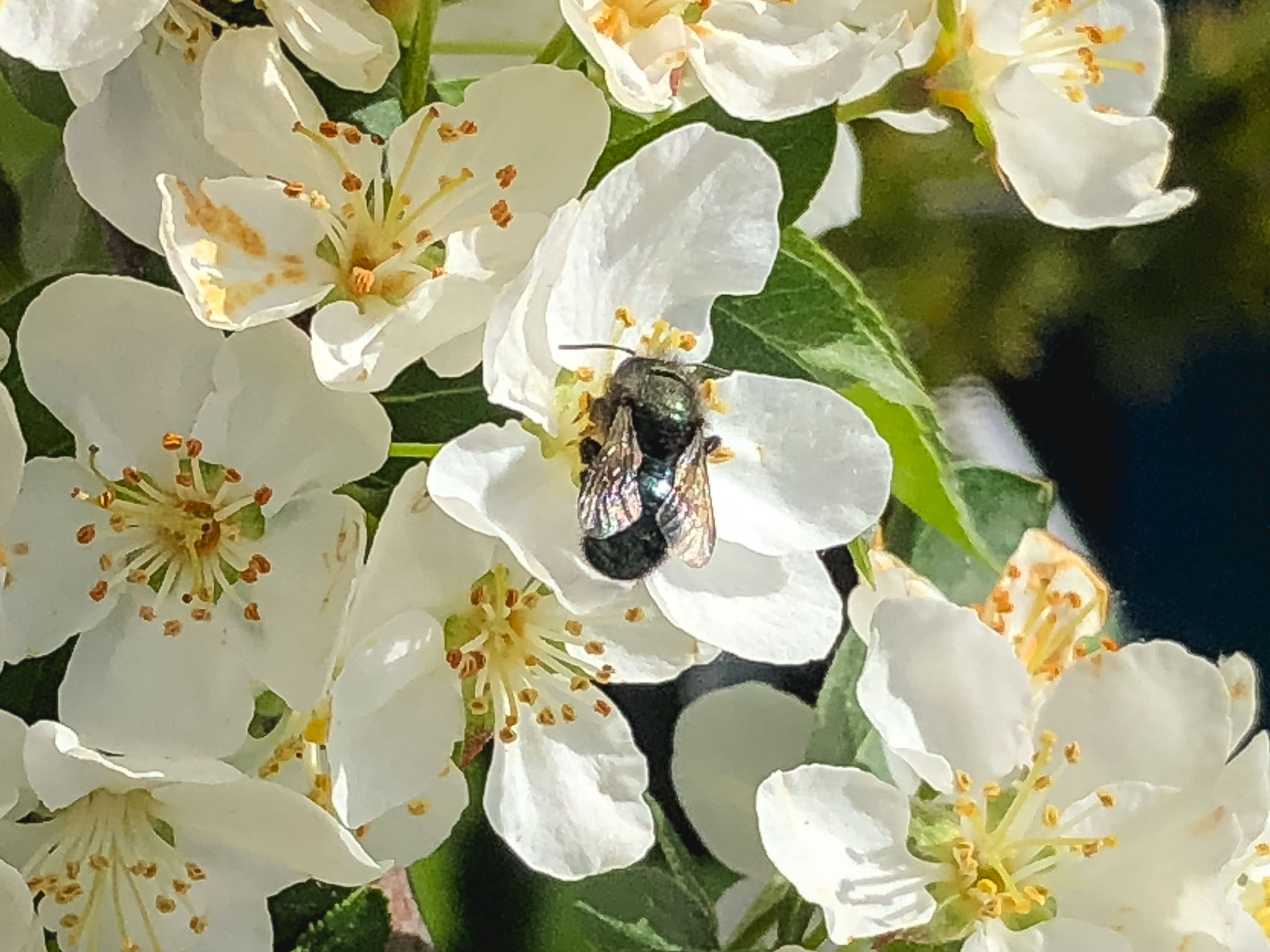
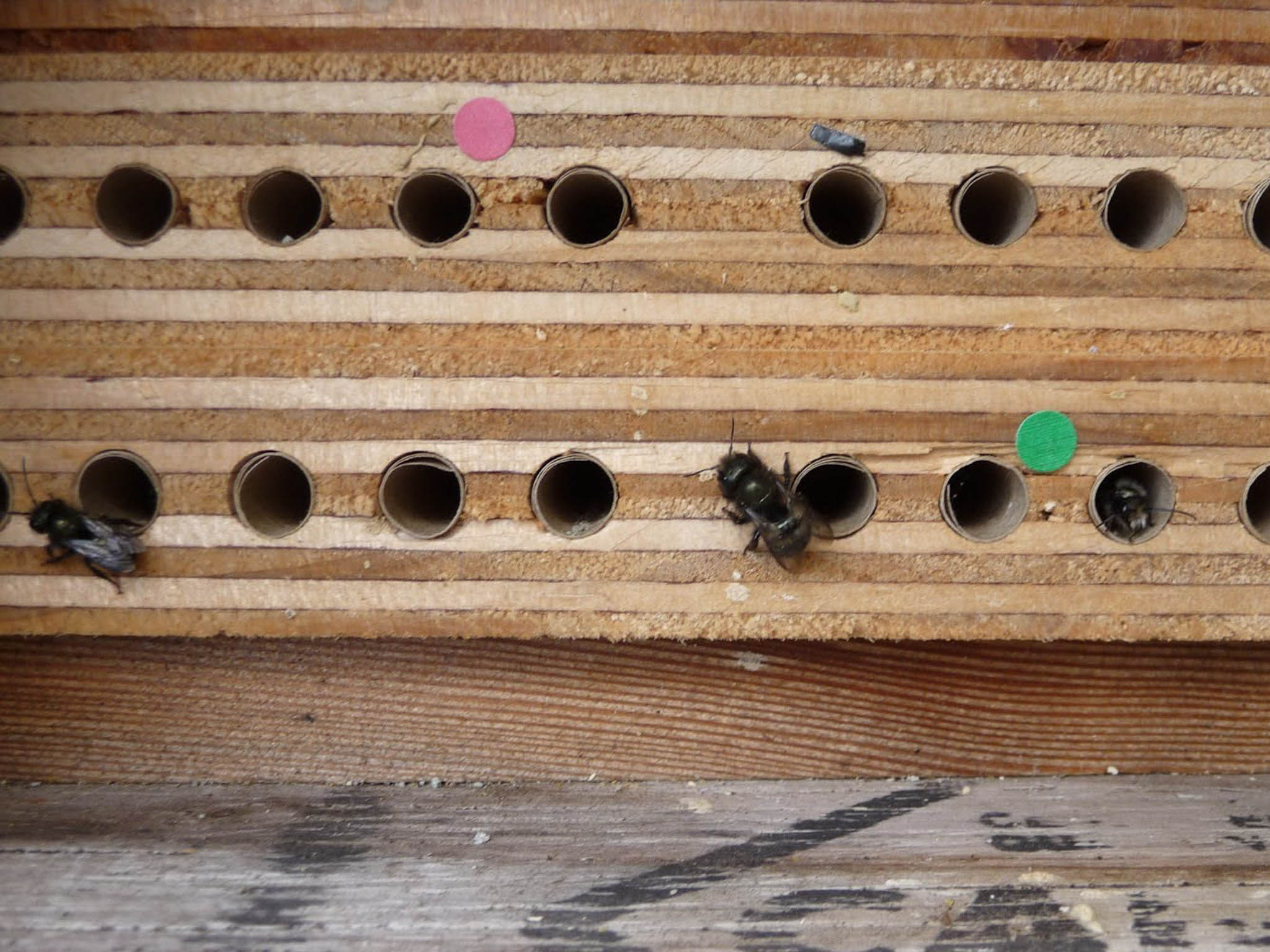
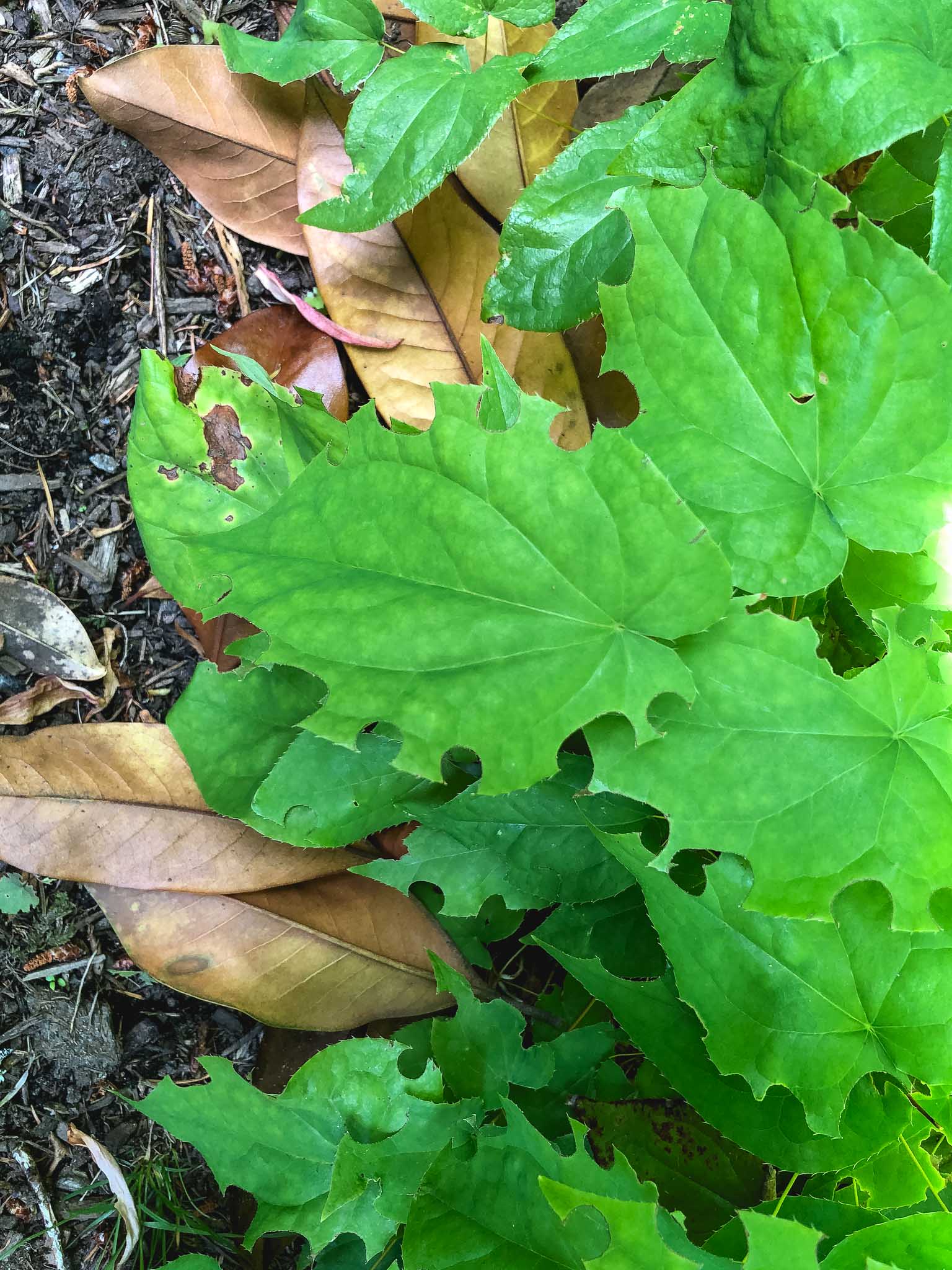
Nest: Most nest in existing holes in wood (some nest in ground). Many will use ‘bee condos’, or will nest in fence posts or wood siding. Mason bees use mud in nest construction. Leafcutter bees use leaves to line nests. Other members of the group use plant hairs, resins, or other materials in nest construction.
Size: Most species about a centimeter in length or so; body type is more squat and rounded.
Pollen: They are called “hairy-belly bees” because they carry their pollen under their abdomen.
Active Time: Mason bees are active mostly in Spring. Leafcutter bees are active in Summer.
Honey Bees
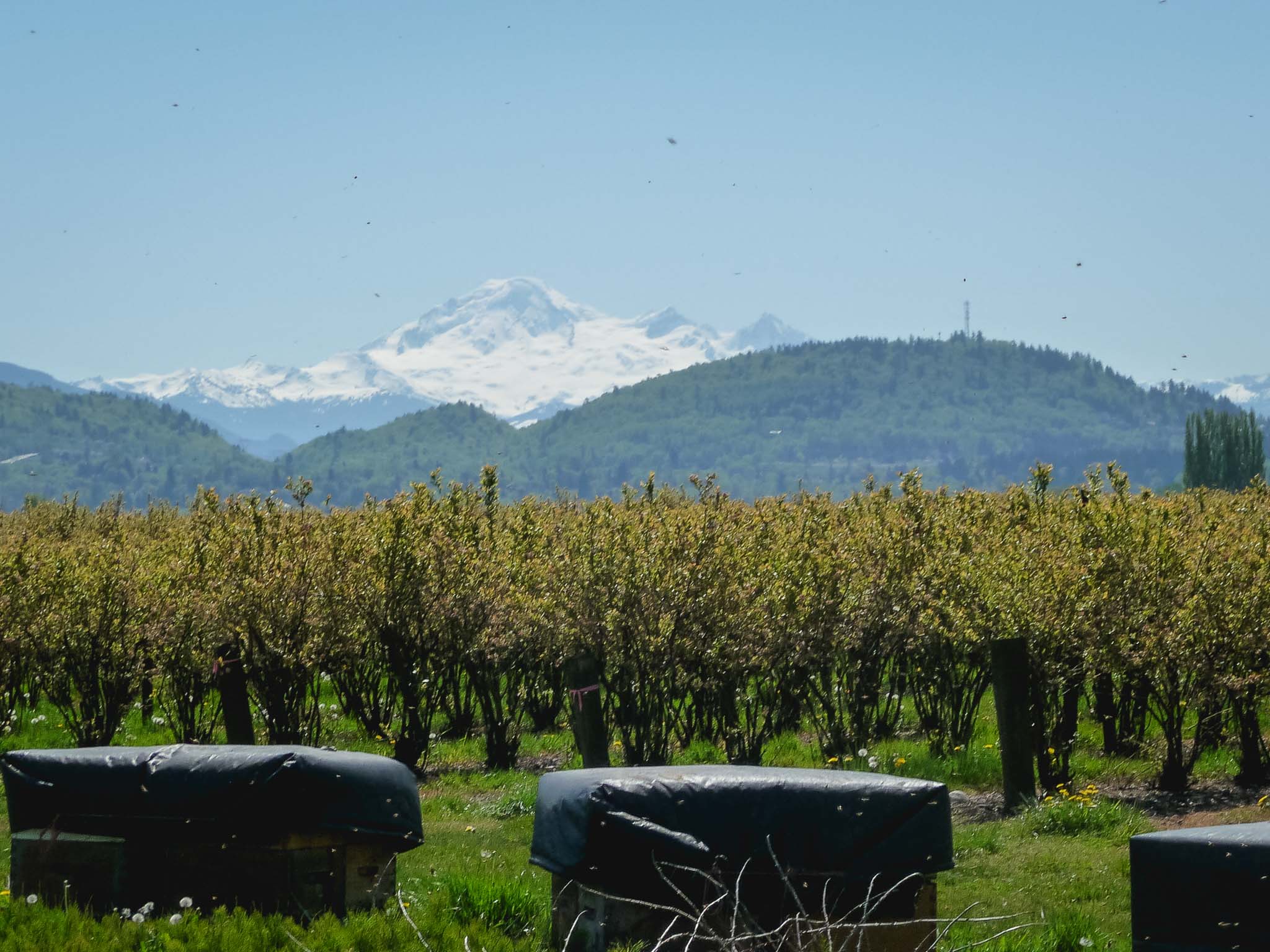
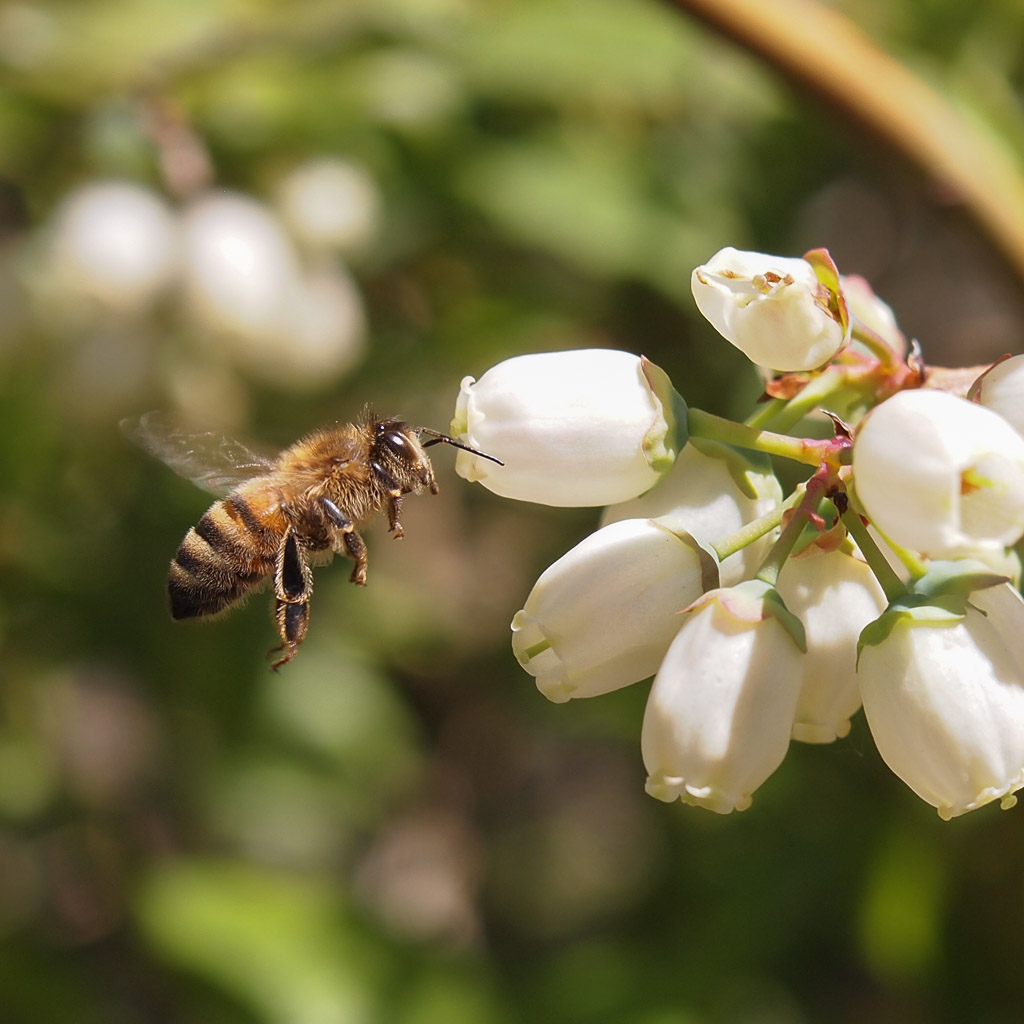
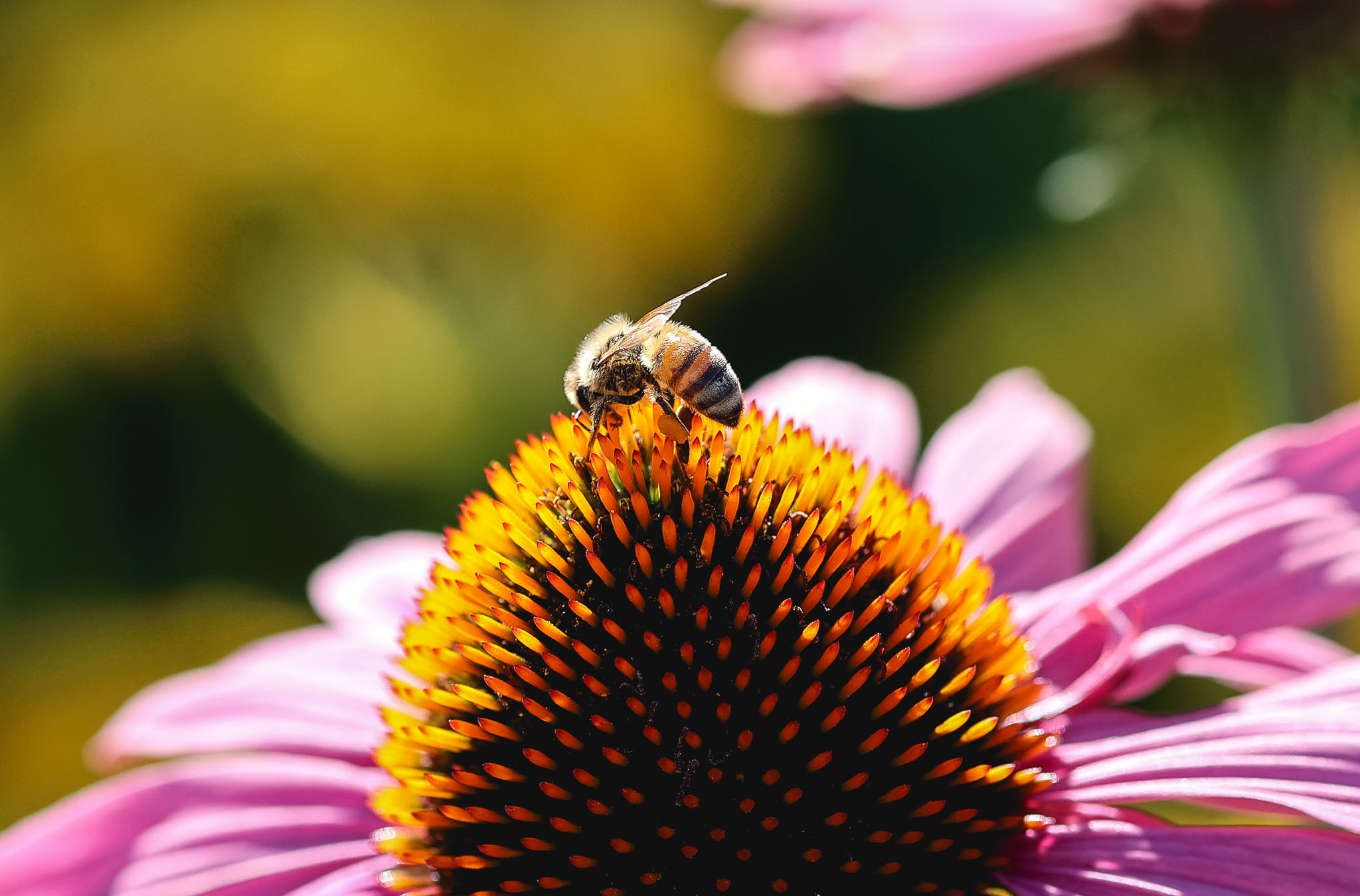
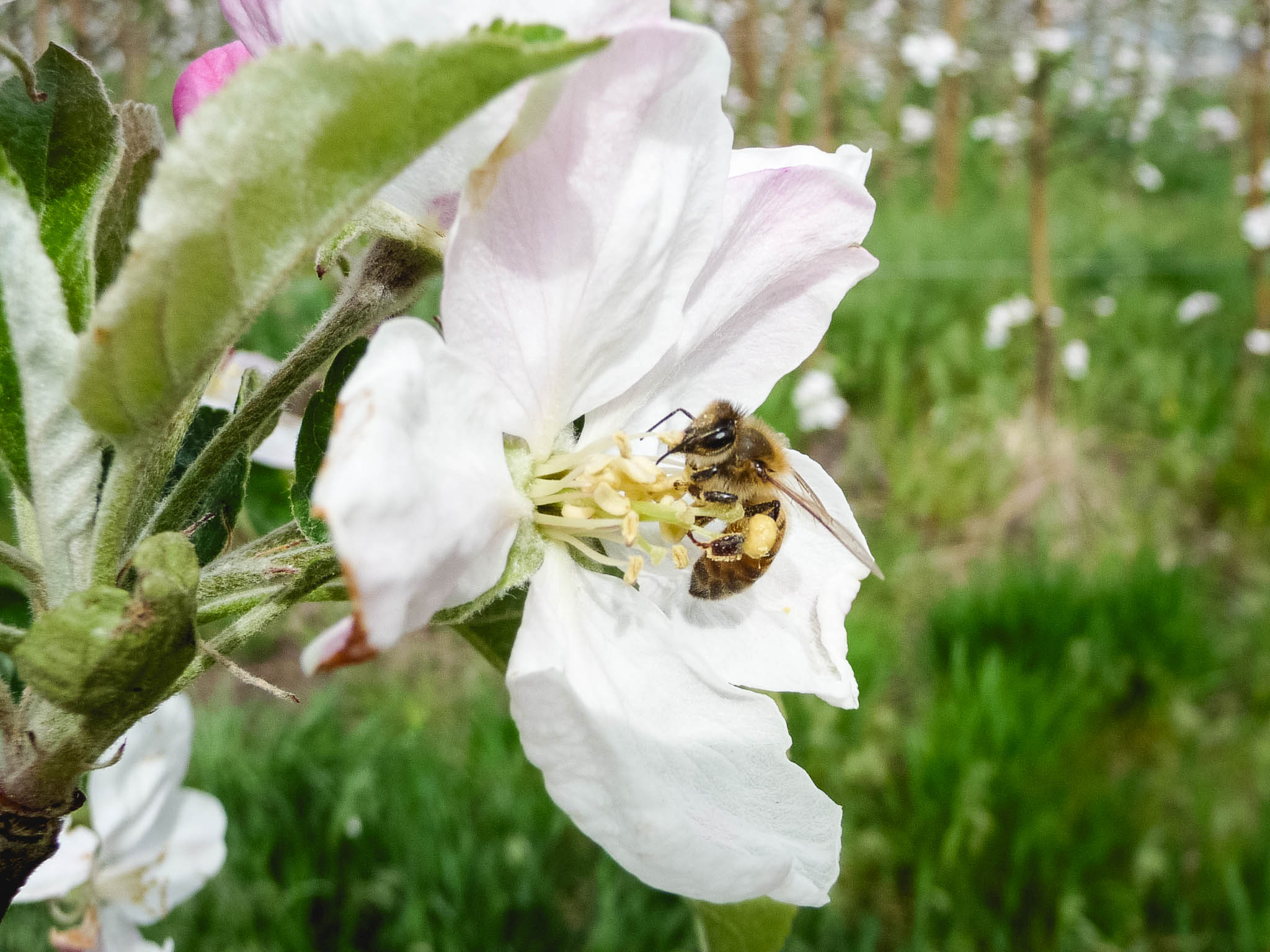
Honey bees are not native to B.C. and should be considered livestock, used for crop pollination and honey production. There is some evidence of competition and disease transfer between honey bees and wild bees, so please remember that keeping honey bees won’t help to “save the bees”.
Lifecycle: Highly social, a single queen in a nest with thousands of offspring workers.
Nest: Nest in cavities in nature, and in man made boxes when managed. Introduced worldwide for use in pollination of agriculturally important crops.
Size: All about 1.25 cm, colour can range from amber to brown.
Pollen: In “pollen baskets”, corbicula, on the rear legs.
Active Time: Colonies are perennial, active most of the year.
Other Pollinators
These animals visit flowers for pollen and nectar to feed themselves (sometimes as part of a variable diet) and their offspring eat other things. None of them actively collect pollen, but can move pollen from plant to plant just by visiting.
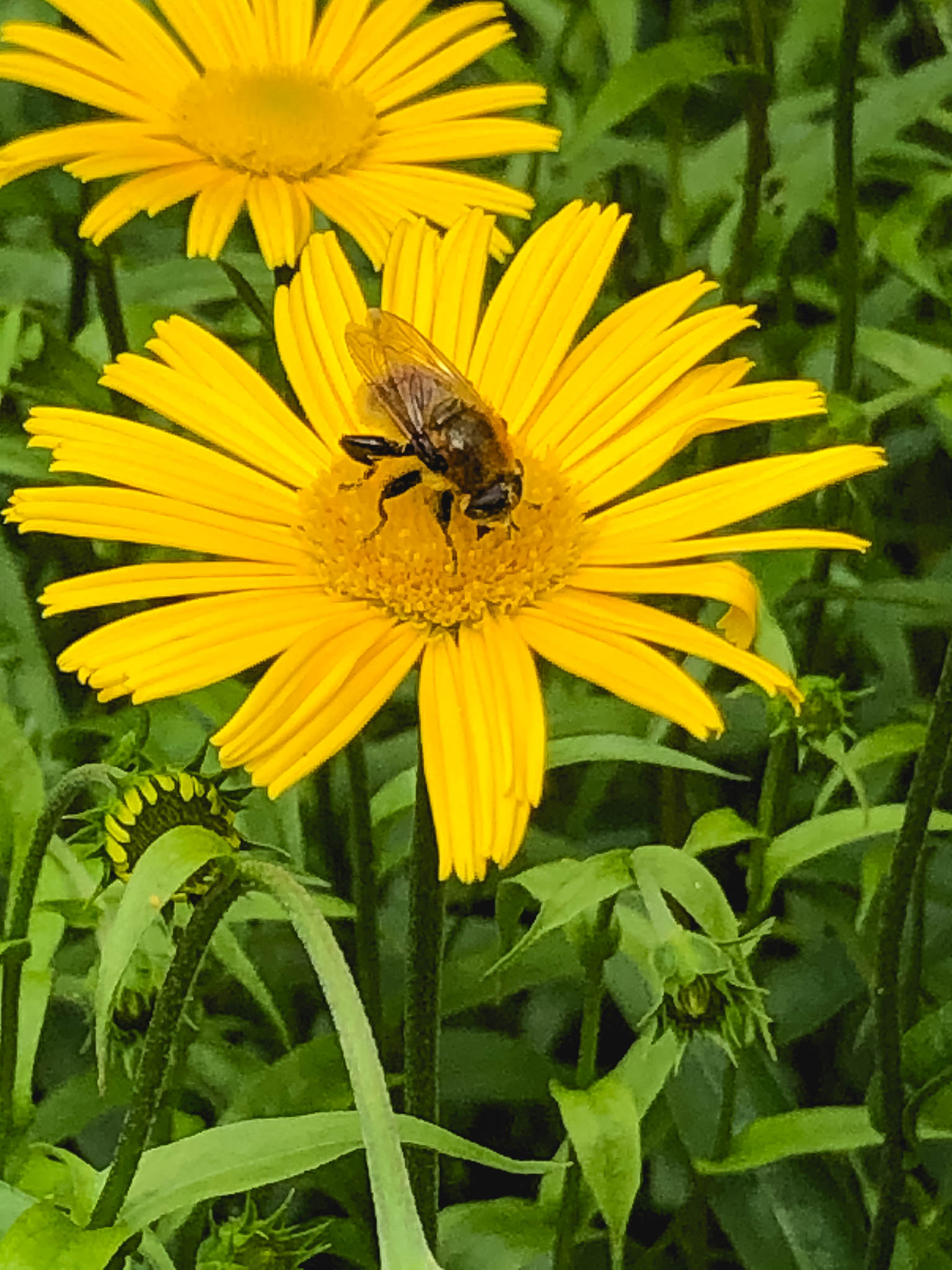
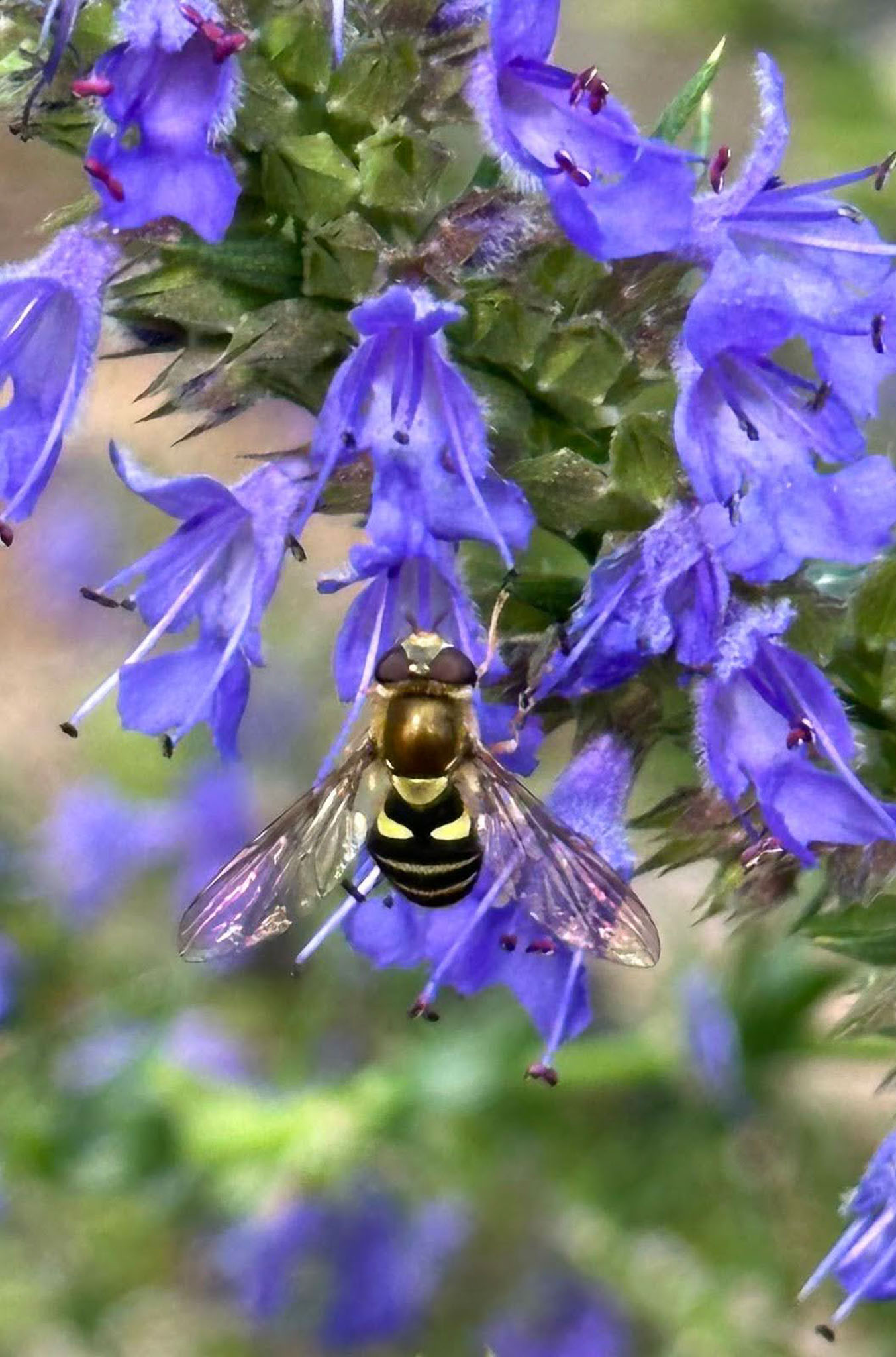
Flower Flies: Common flower visitors, many flower flies mimic bees or wasps. Their larvae are often predators of garden pests, like aphids! You can recognize a fly because it has just two wings (bees and wasps have four) and big bulging insect eyes.
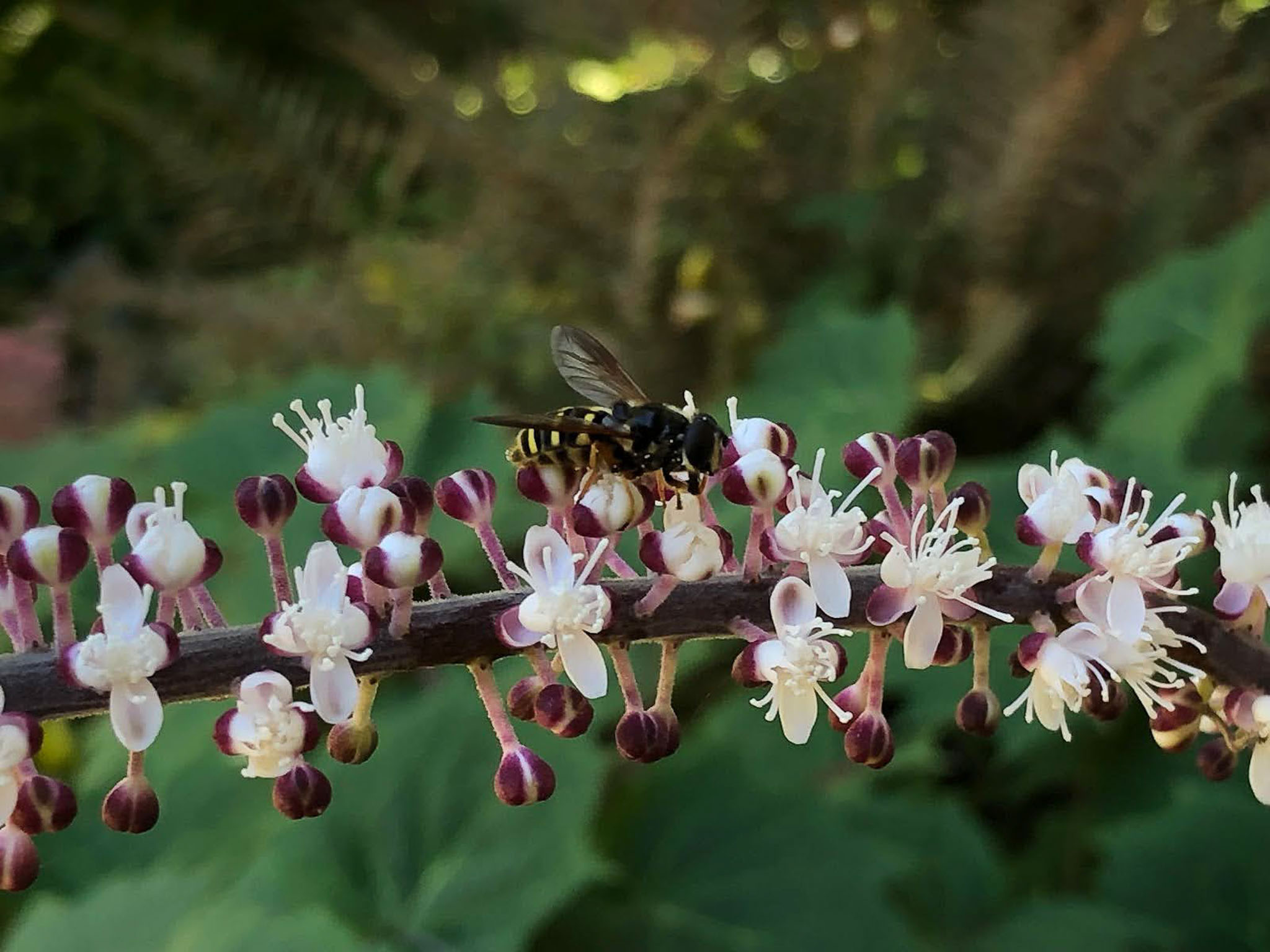
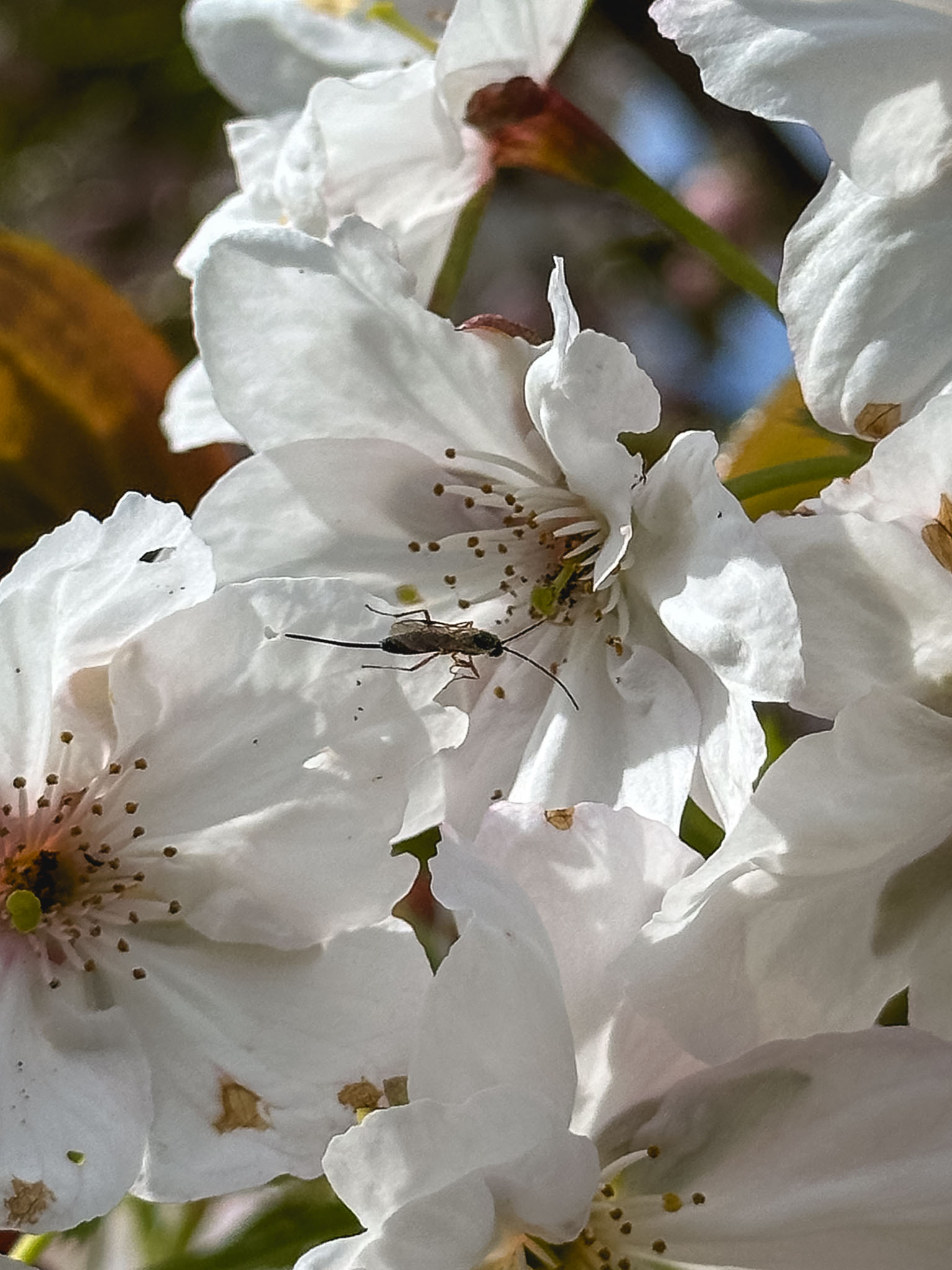
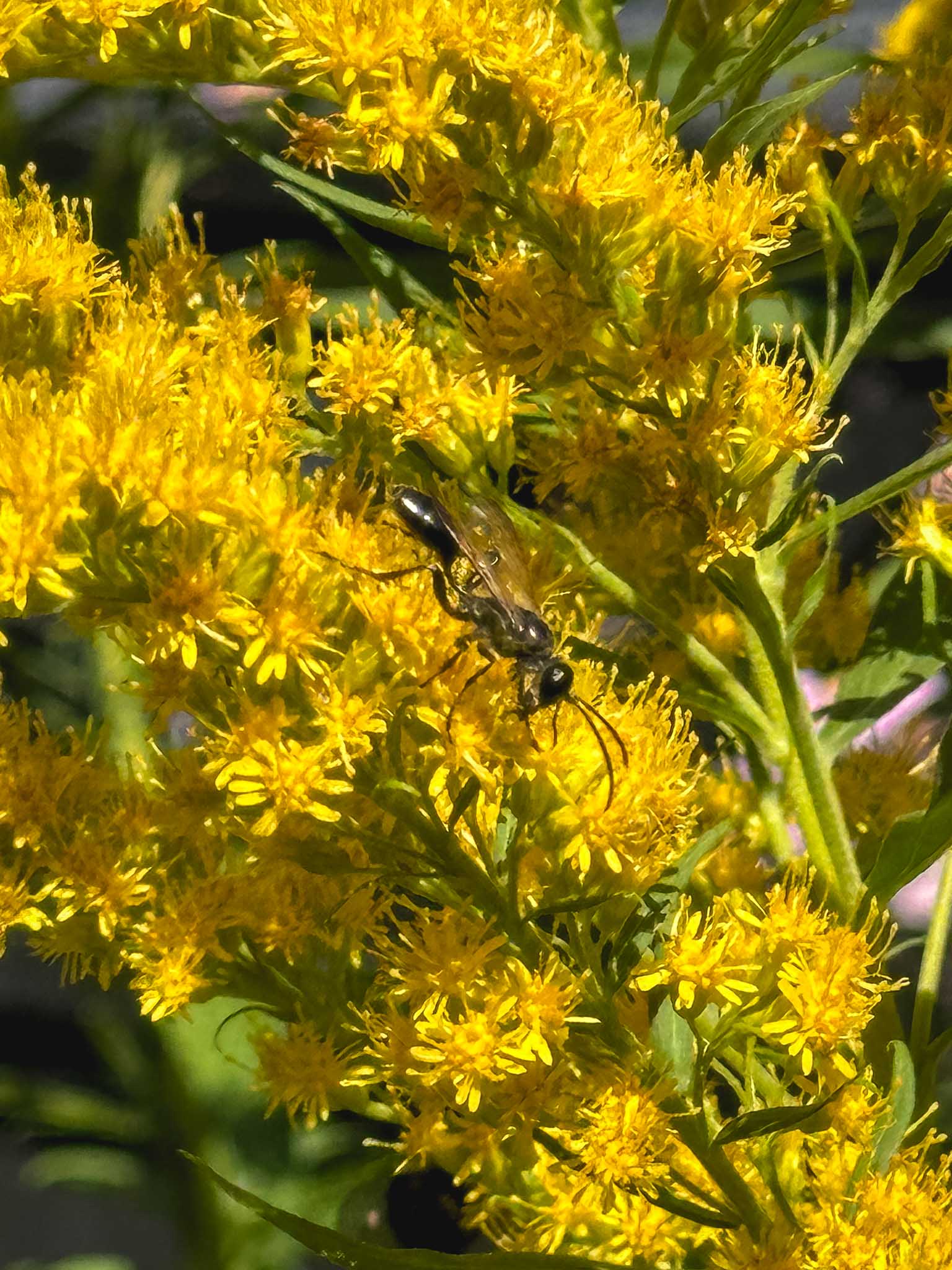
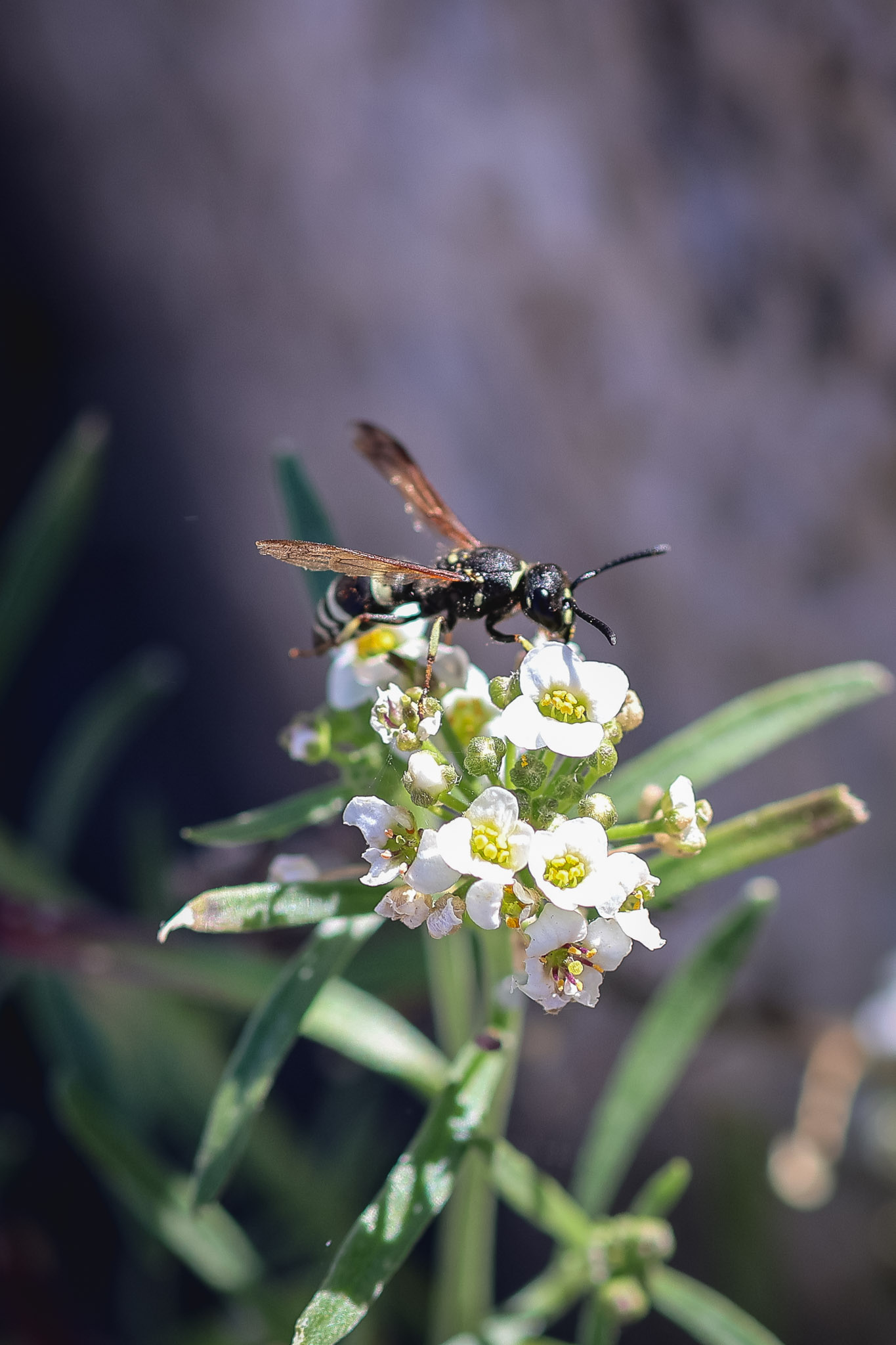
Wasps: Diverse wasps visit flowers for nectar, and all wasp larvae are carnivores, often fed garden pests like caterpillars and katydids. Wasps have many different nest types and can be solitary or social. They are closely related to bees and may resemble them, though often have narrow “wasp waists”.
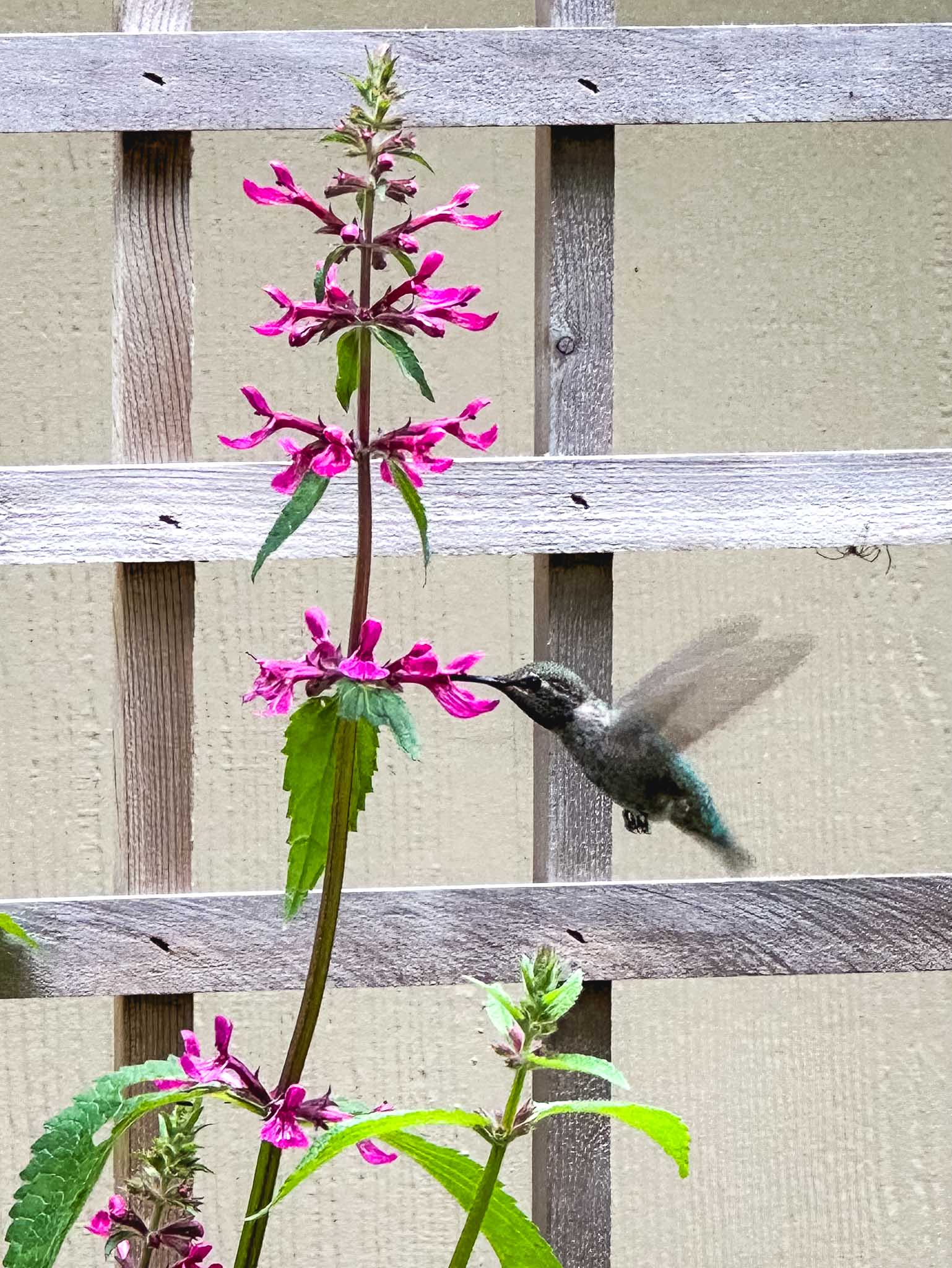
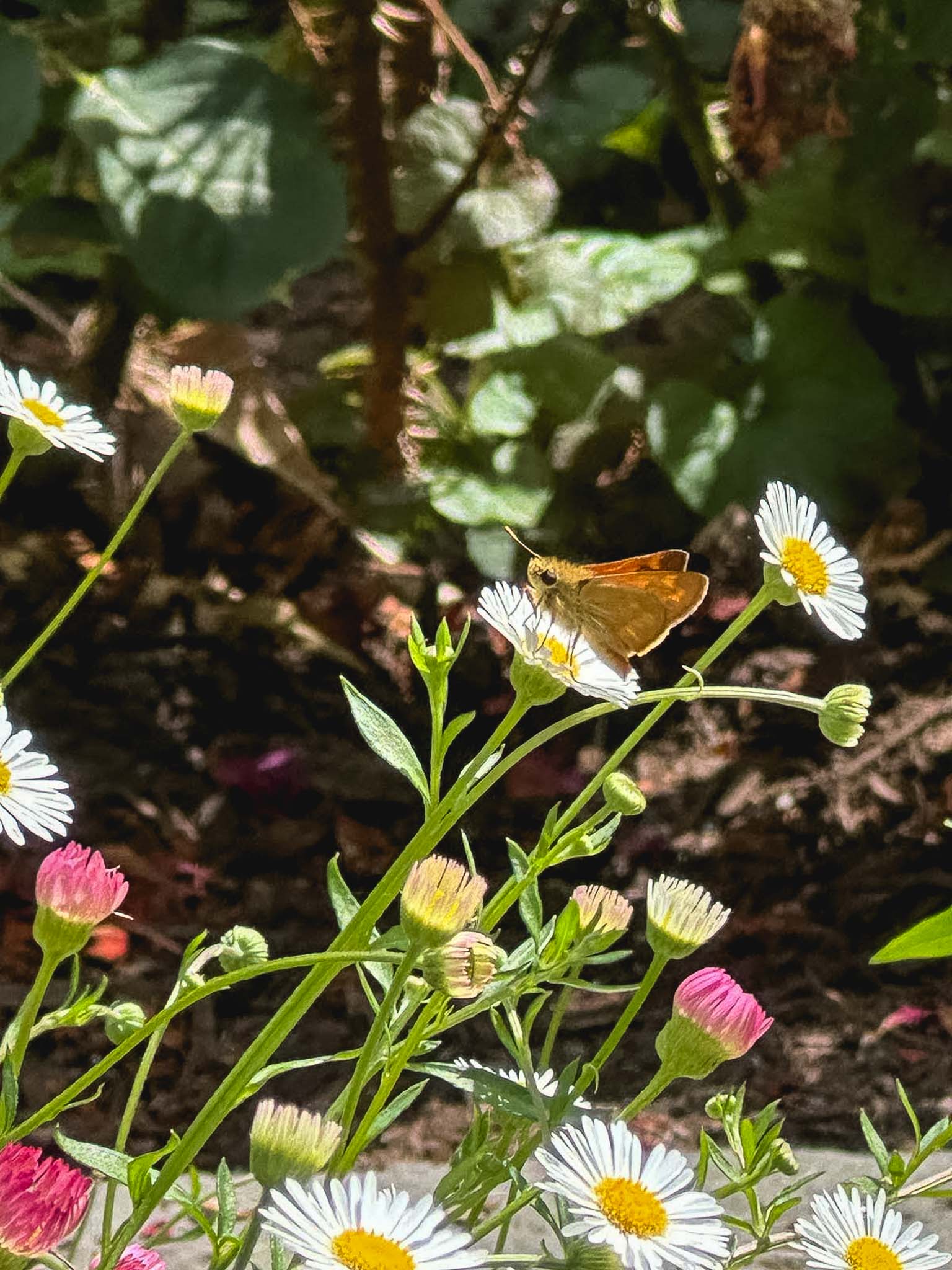
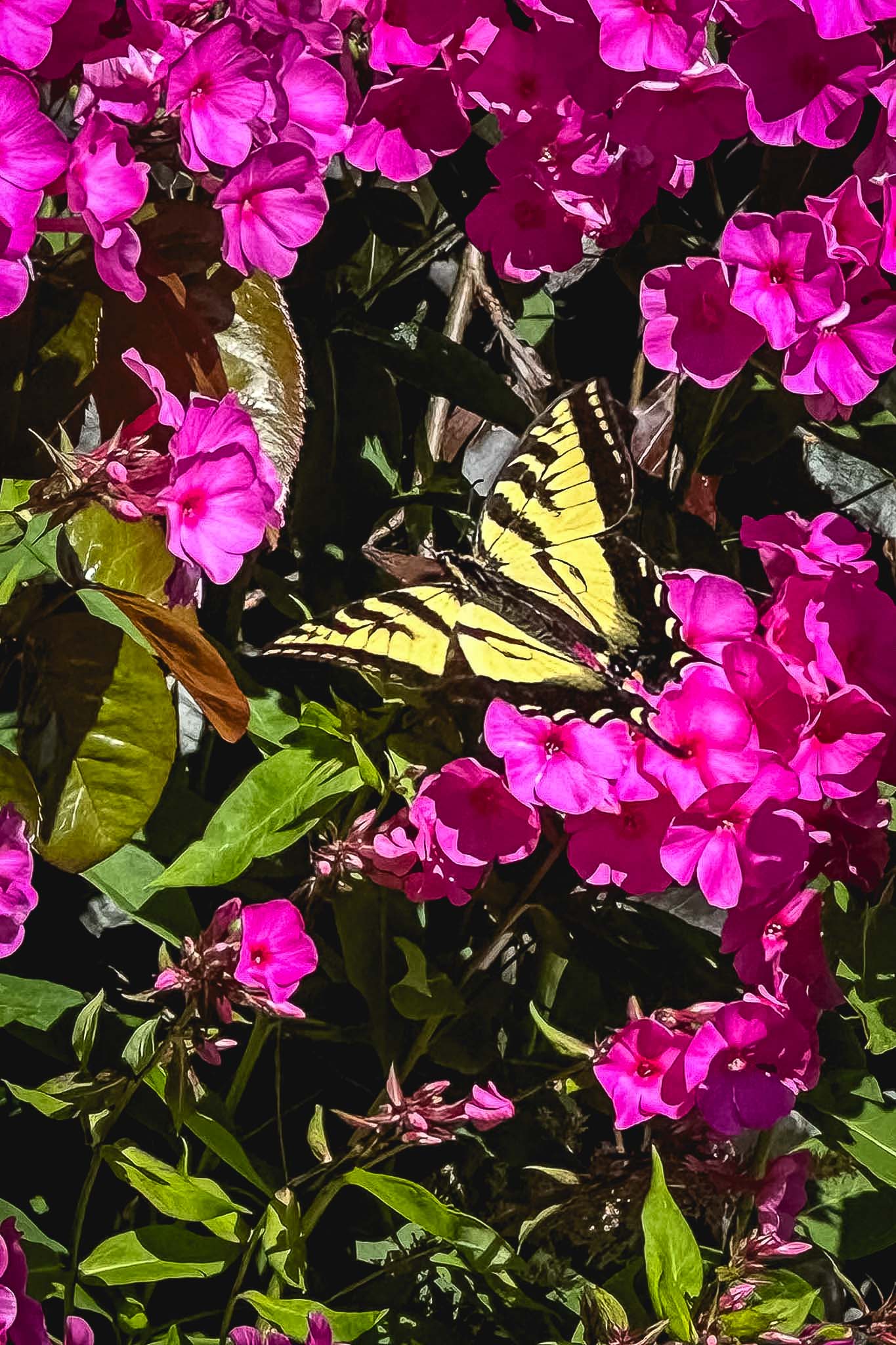
Butterflies & Birds: The jewels of the garden! Hummingbirds need both nectar and insects to feed their young. Butterflies need specific host plants for their caterpillars.
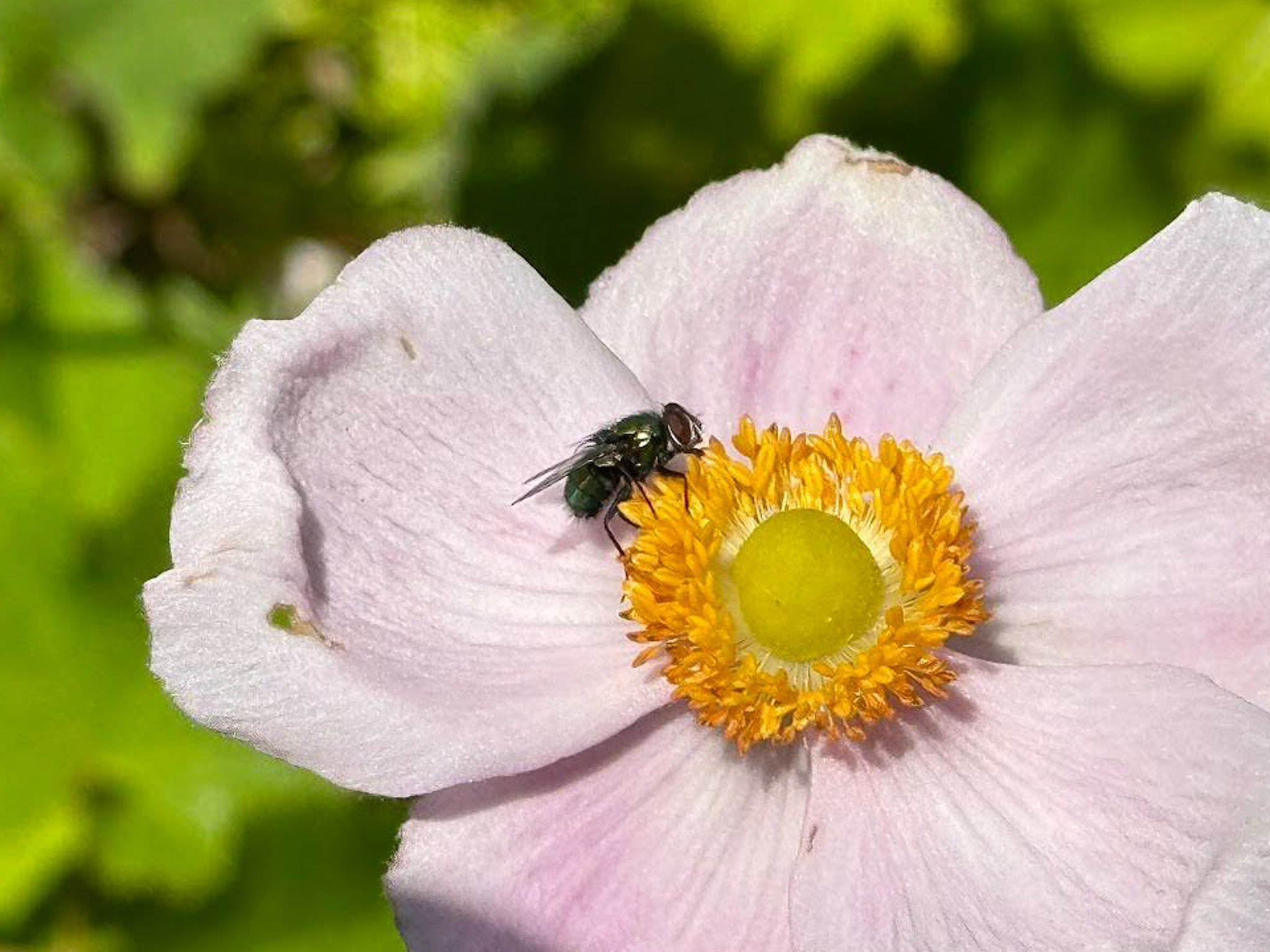
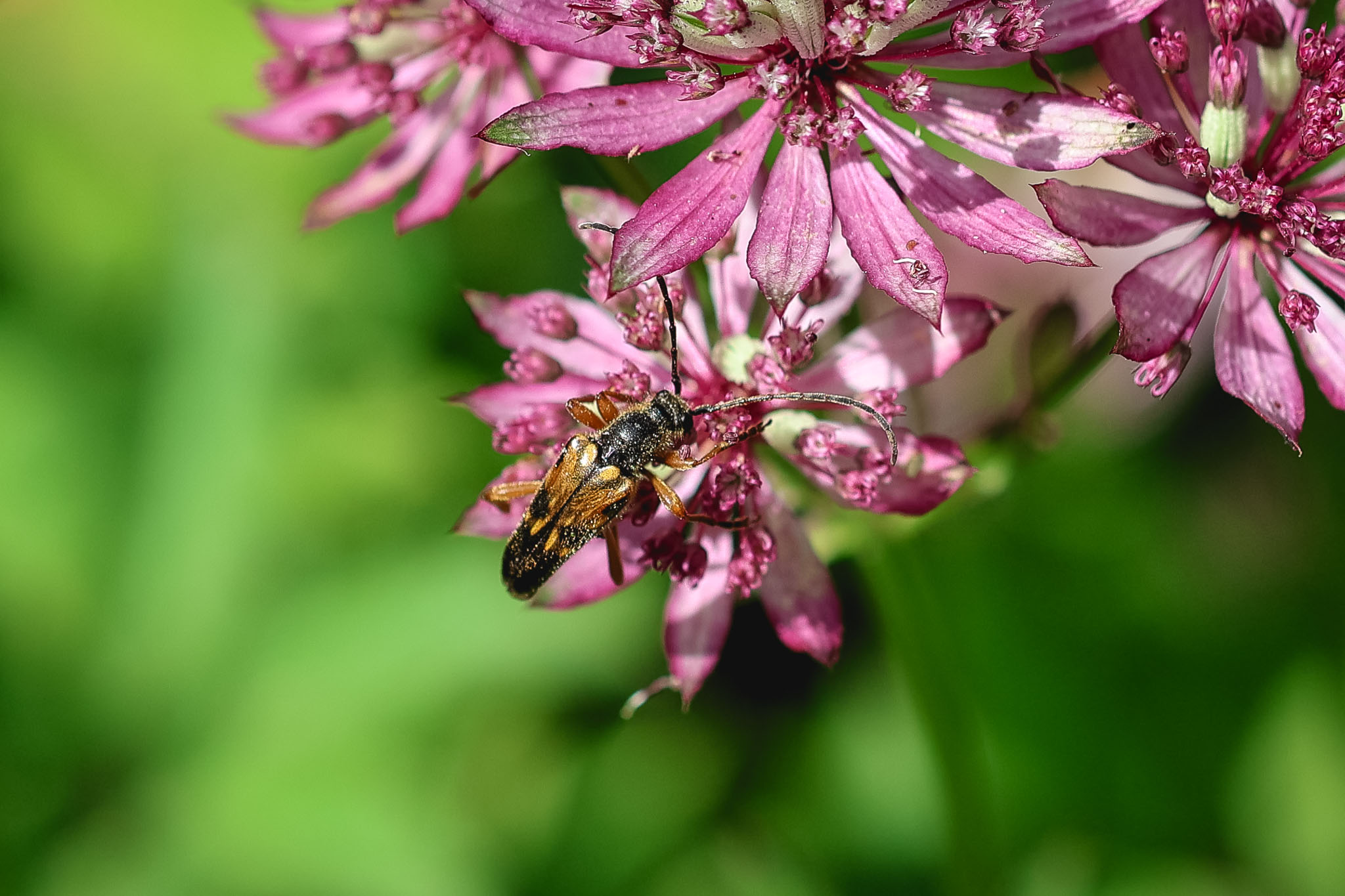
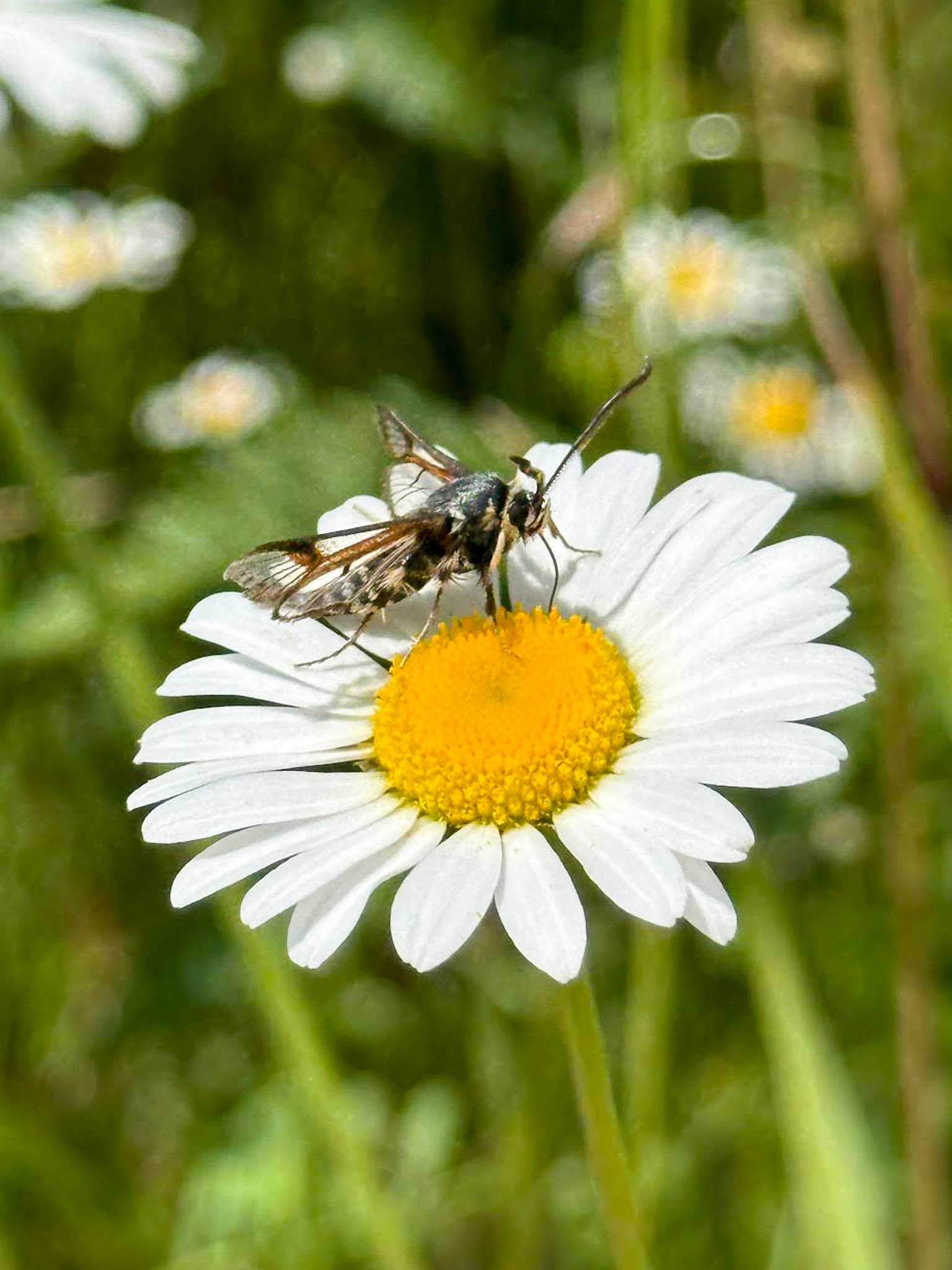
Other Visitors: Some insects that forage for pollen and nectar might surprise you, like blow flies, longhorn beetles, and clearwing moths.
Continue Learning