Learn
The Importance of Predators
Most bugs are good bugs. Those that are seen as “bad” to gardeners are usually the ones that eat our plants. Gardening ecologically means welcoming the predators that can control these herbivores in your garden, and letting them do their jobs without interference.
Aphid Eaters
Aphids are among the most visible of garden pests, with populations that seem to explode almost overnight. If you are patient, there is a small army of aphid eaters that will help you. Spraying aphids off your plants often removes these predators and parasitoids, so try to wait and let them fight for you.
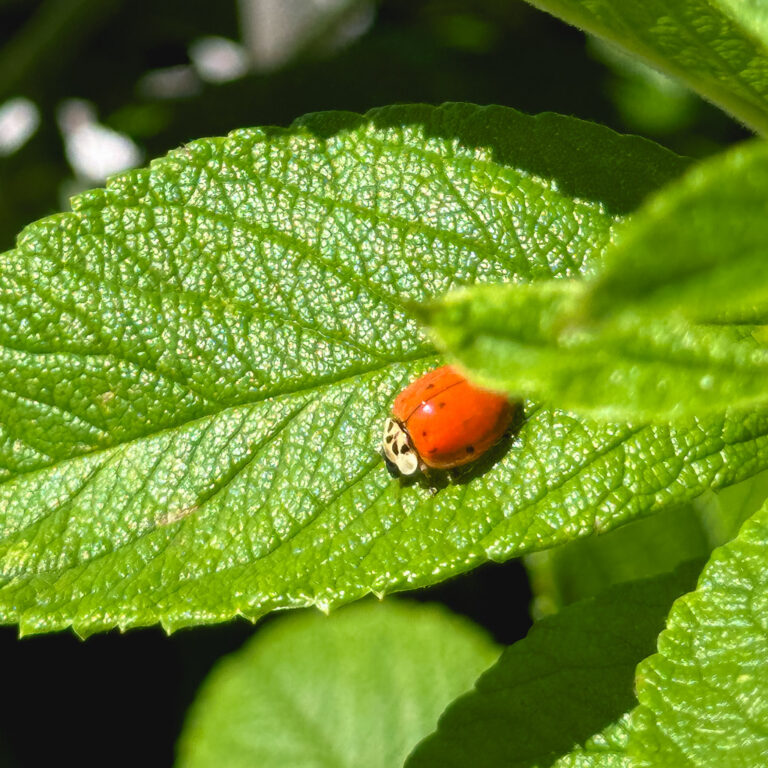
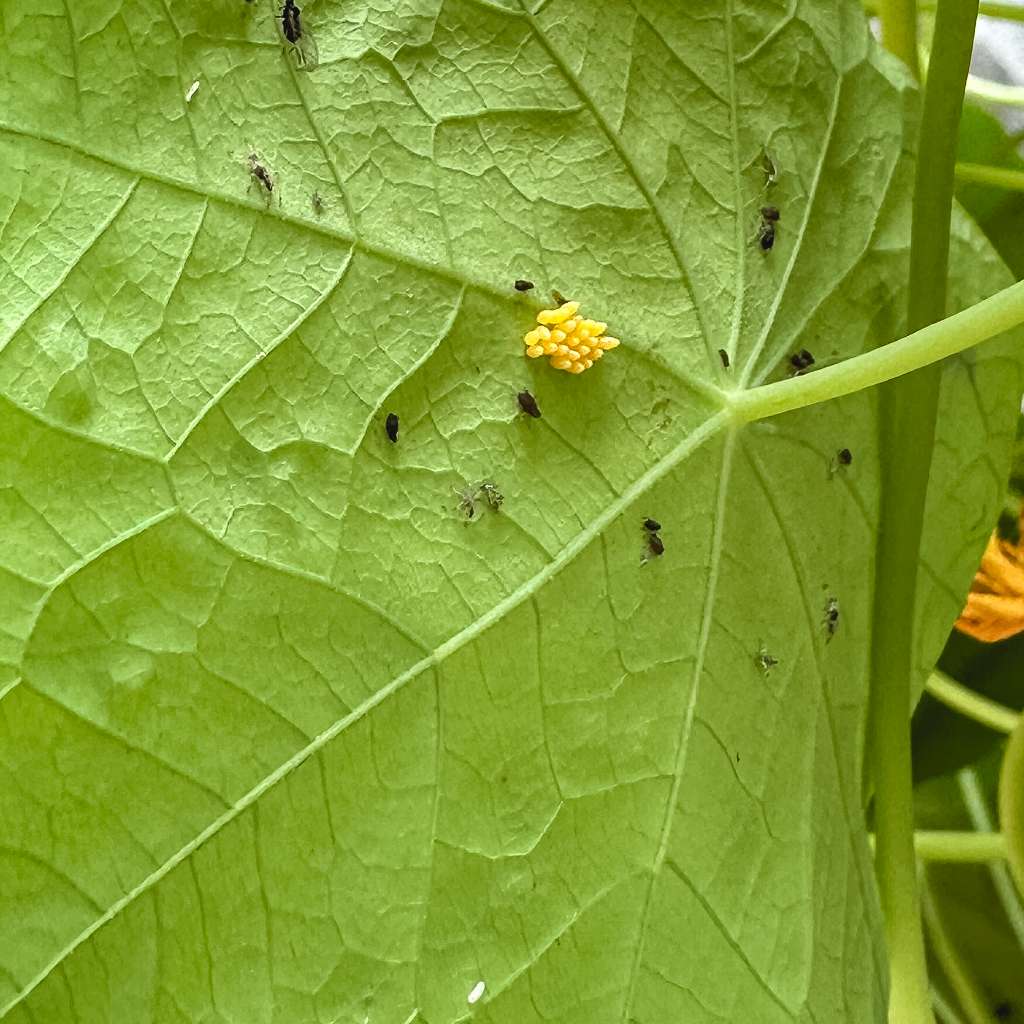
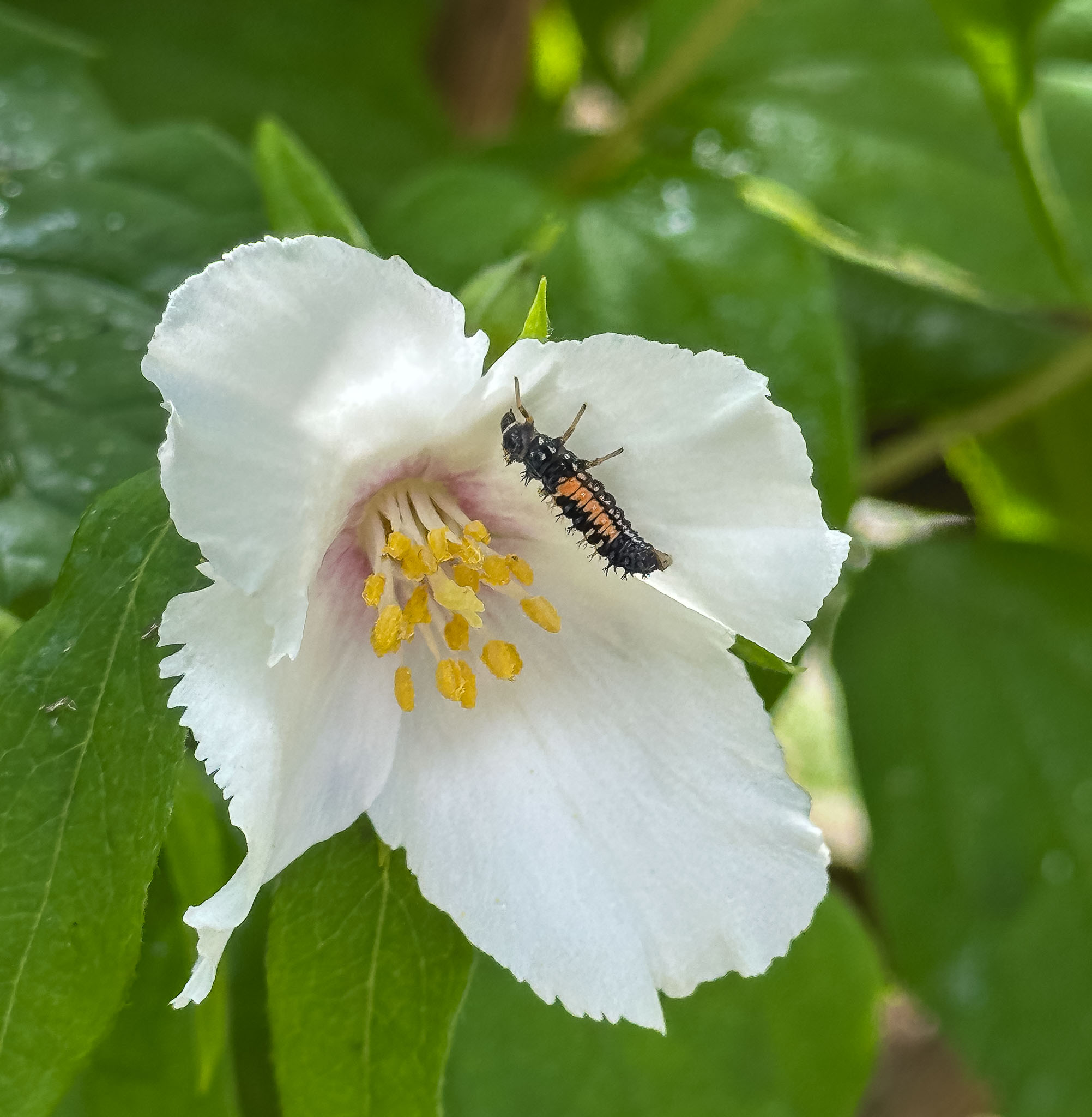
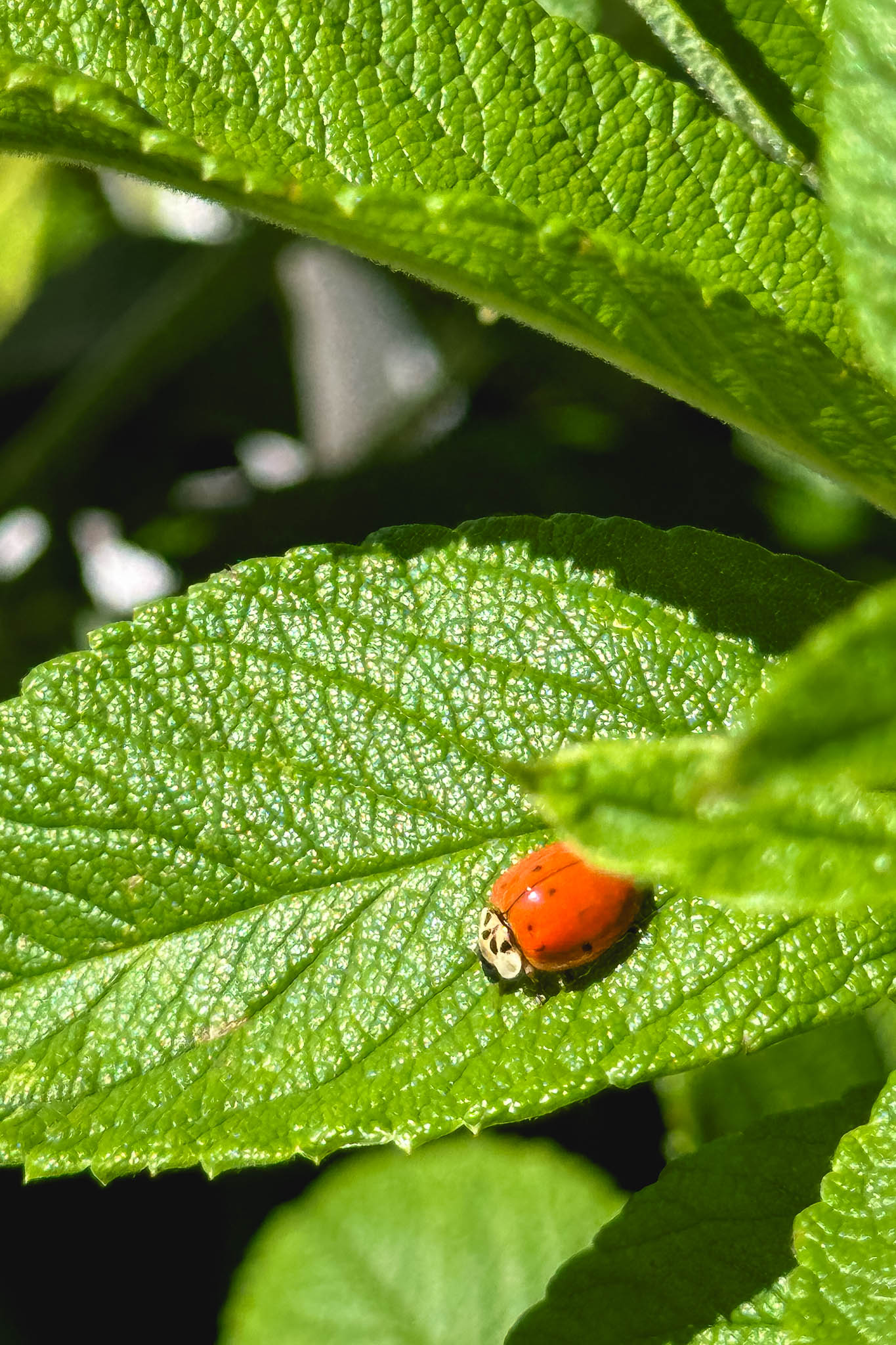
Ladybugs
- Both adults and larvae eat aphids, 300 a week.
- Eggs are laid in groups and are orange.
- Larvae, pupae, and adults are red and black.
Lacewings
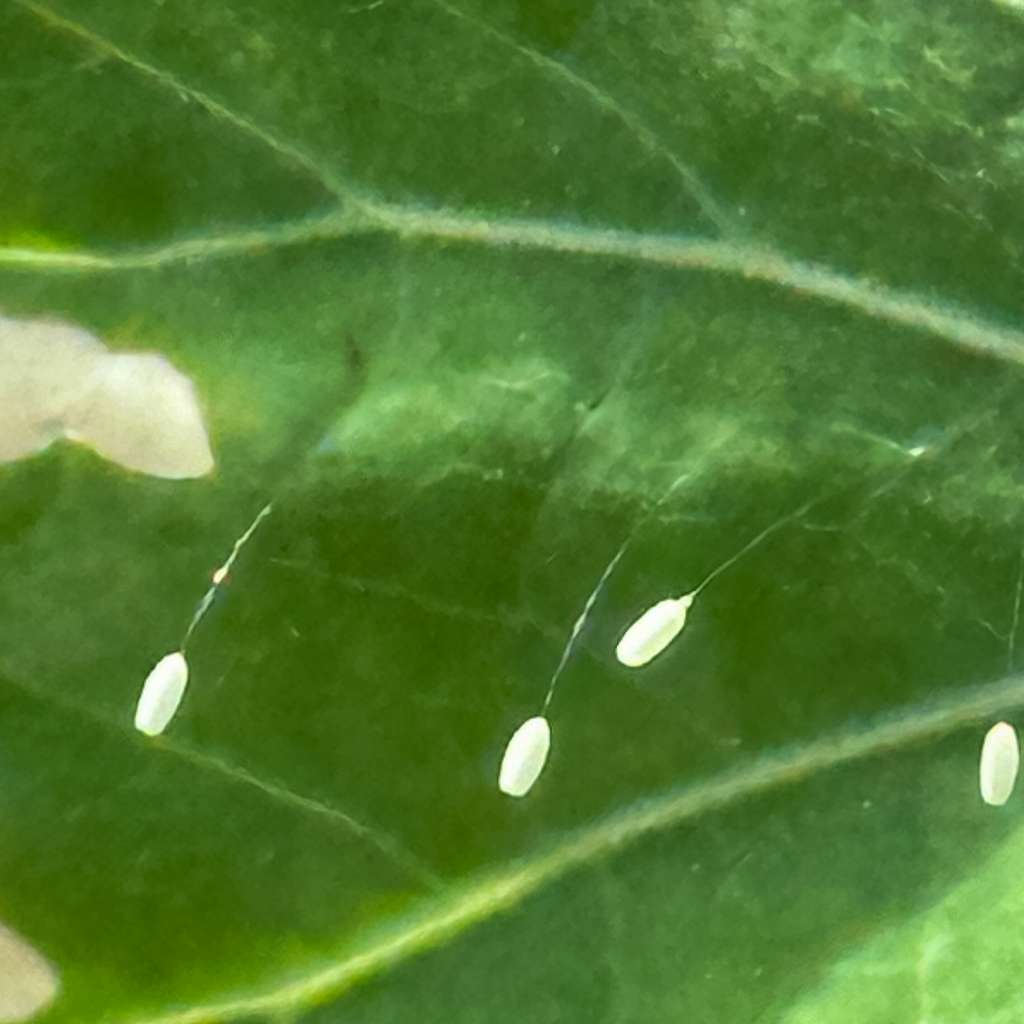
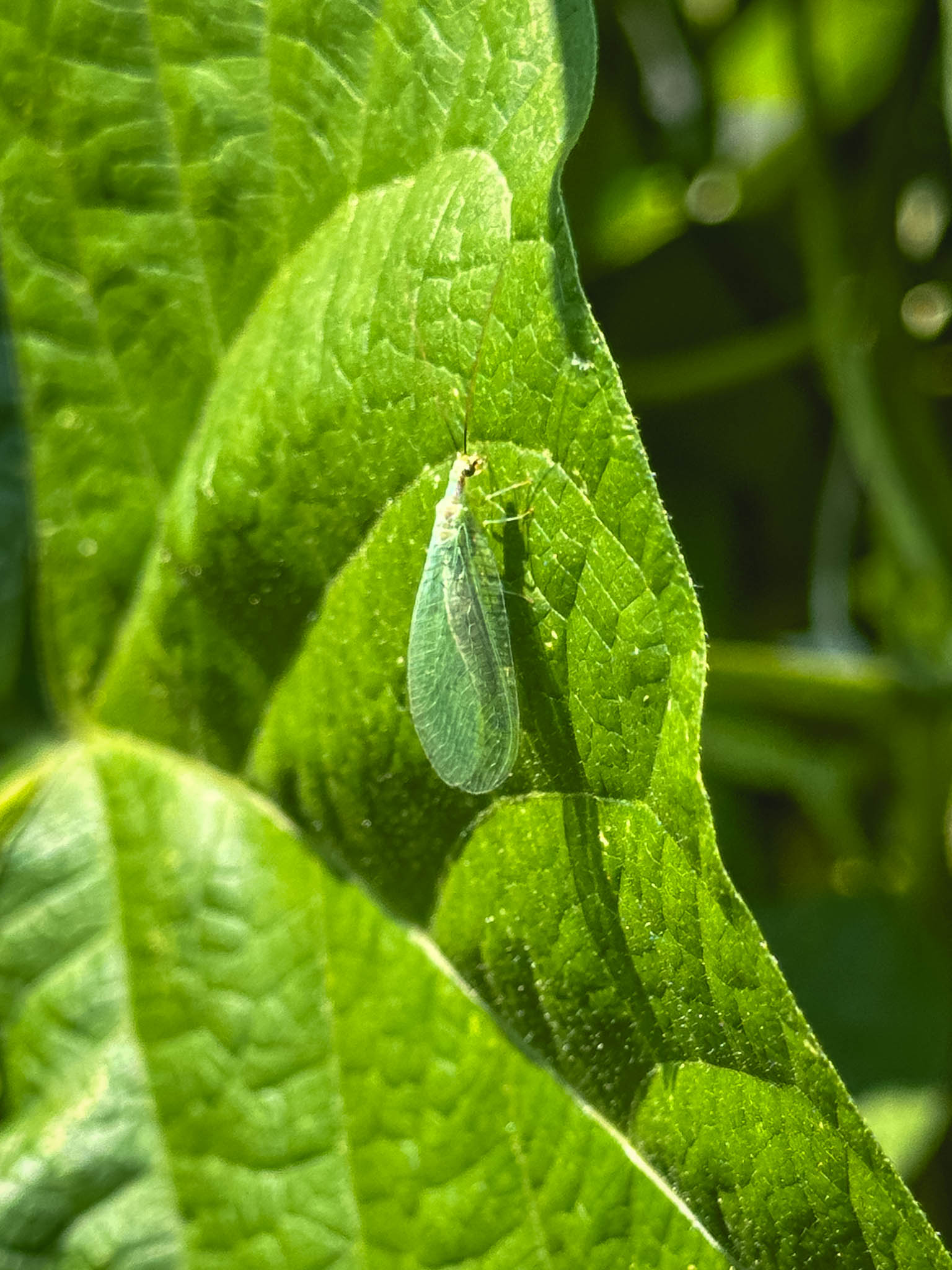
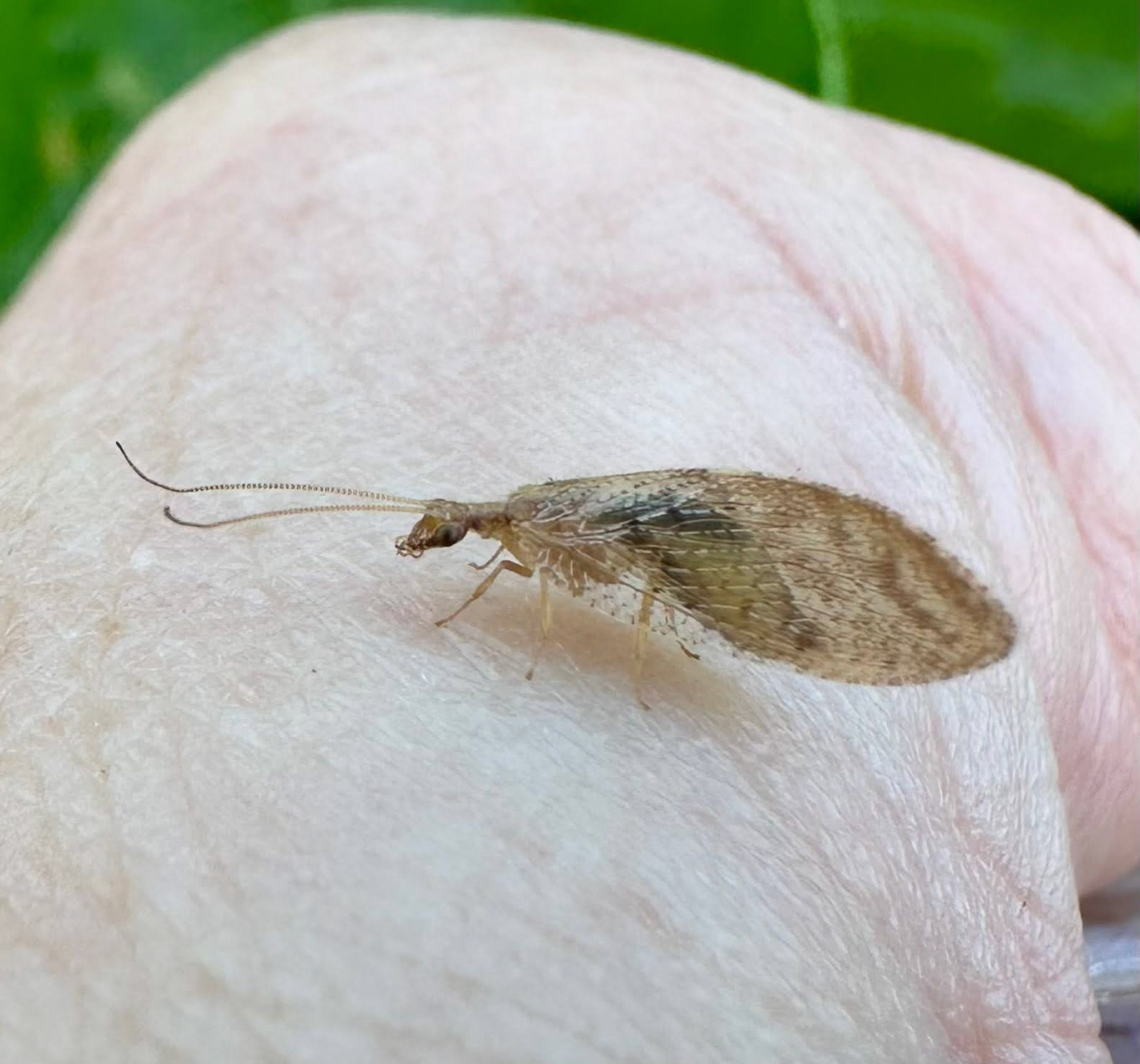
- Sometimes called “aphid lions”, larvae eat 200 aphids a week; adults eat nectar, pollen, or aphid honeydew
- Eggs are laid on long strands of silk under leaves
- Larvae resemble flattened alligators, and adults are either green or brown depending on species.
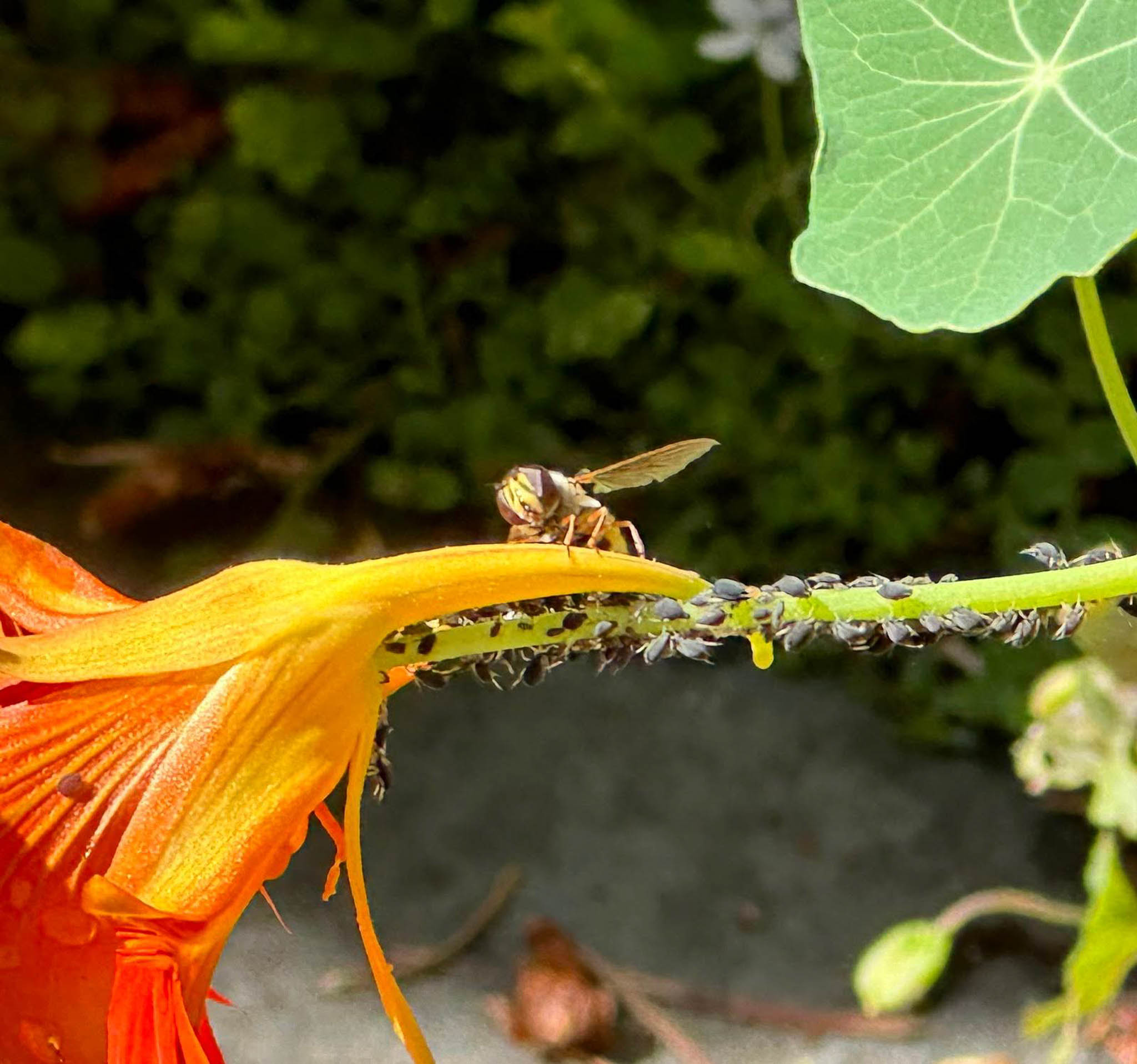
Hoverflies
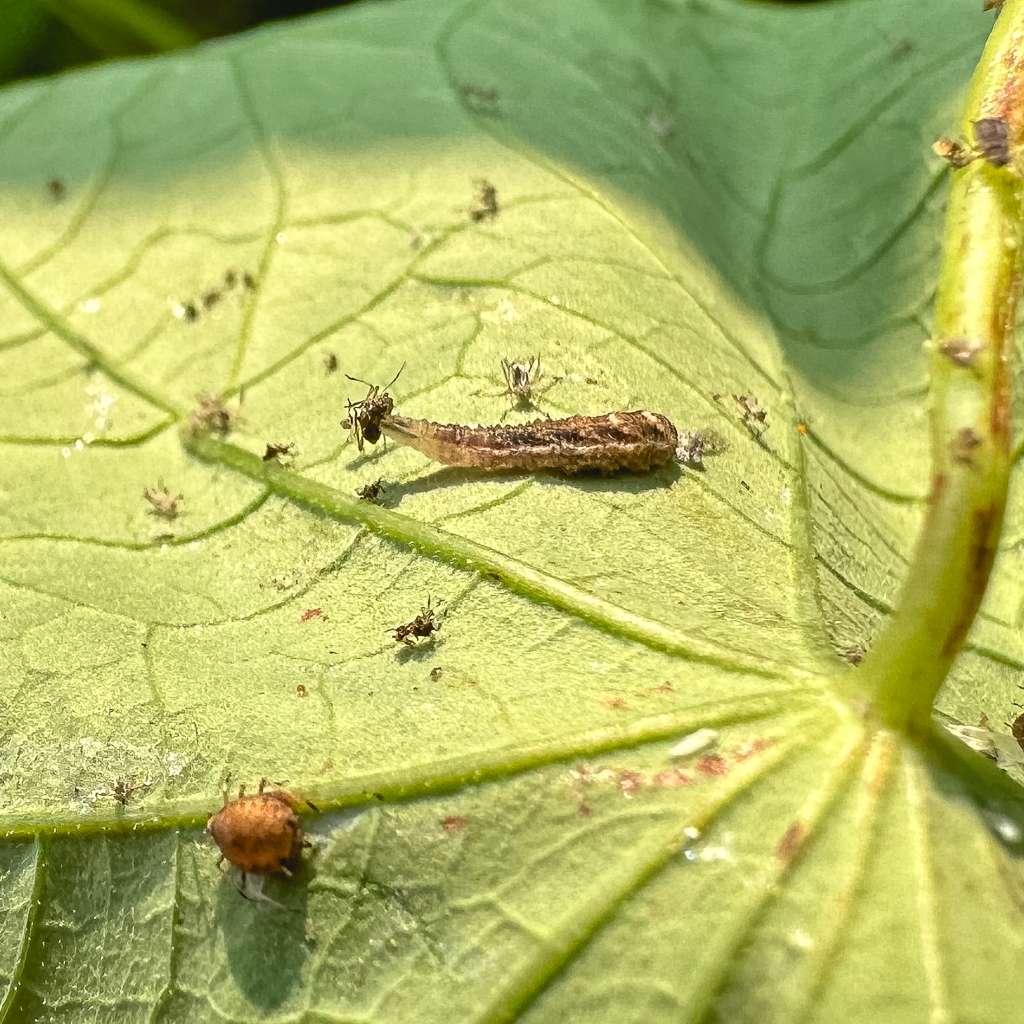
- Larvae eat 200 aphids a week, adults consume pollen and nectar and are important pollinators
- Eggs laid singly or in groups near prey, often white like small grains of rice
- Larvae are small maggots, often translucent, adults are usually bee mimics
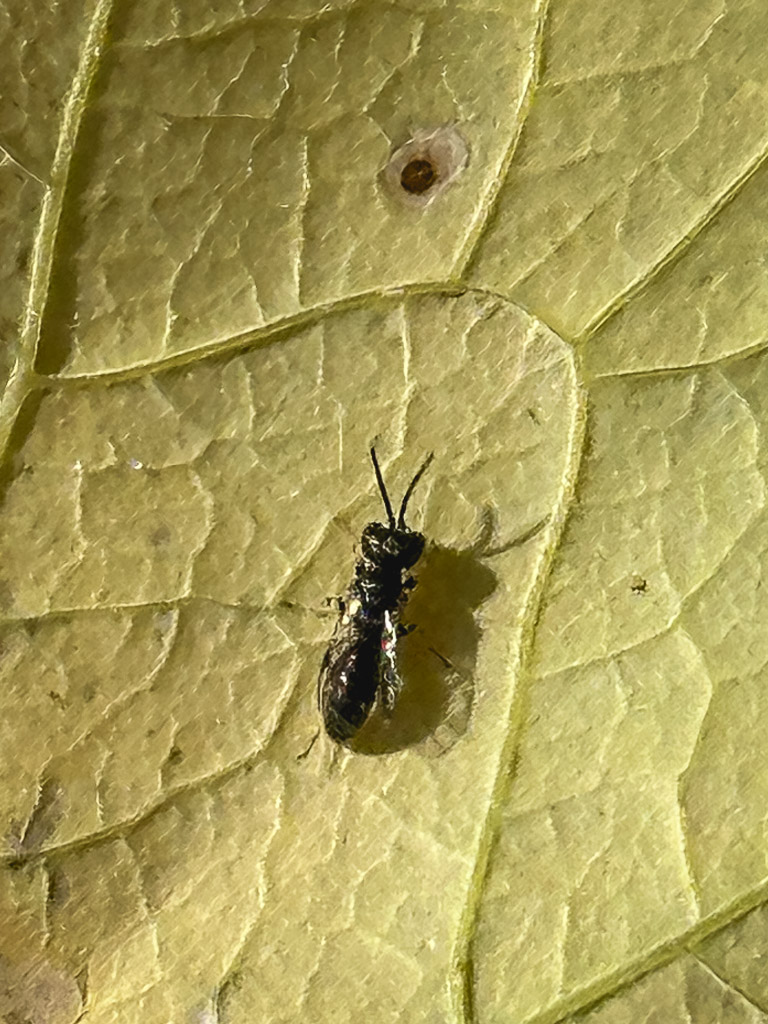
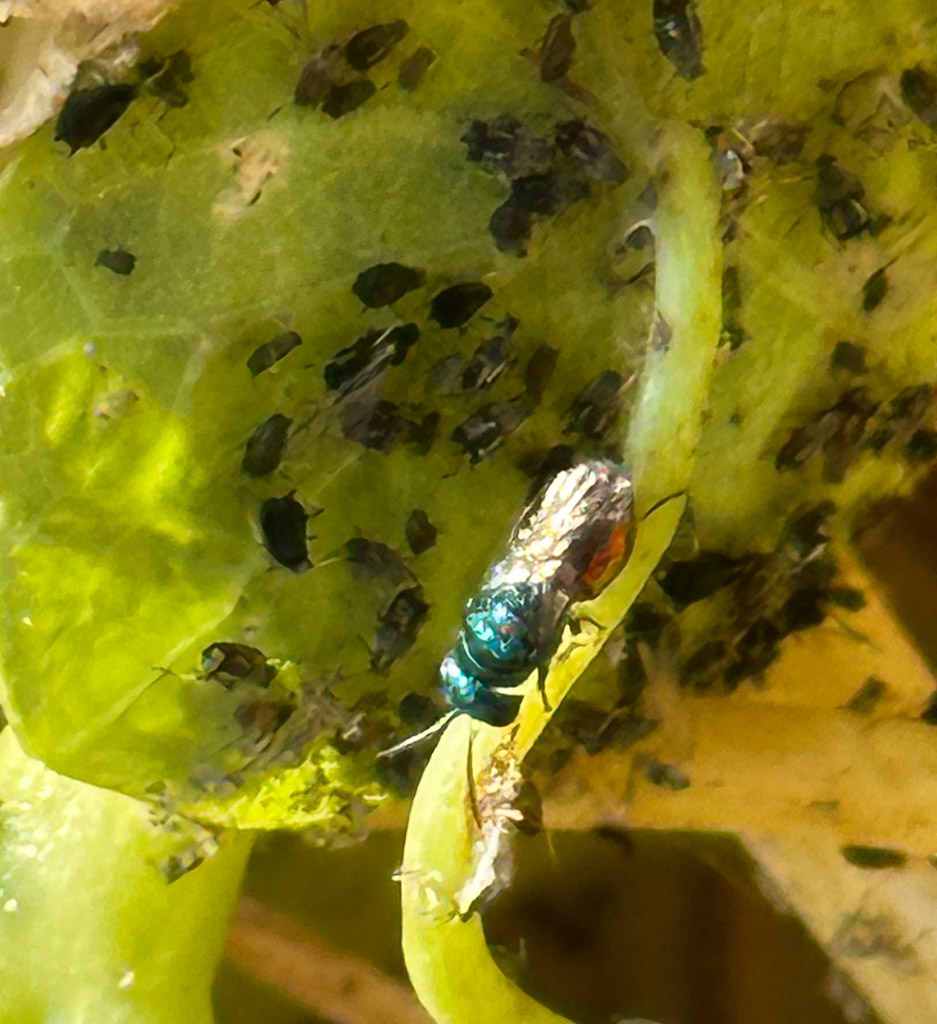
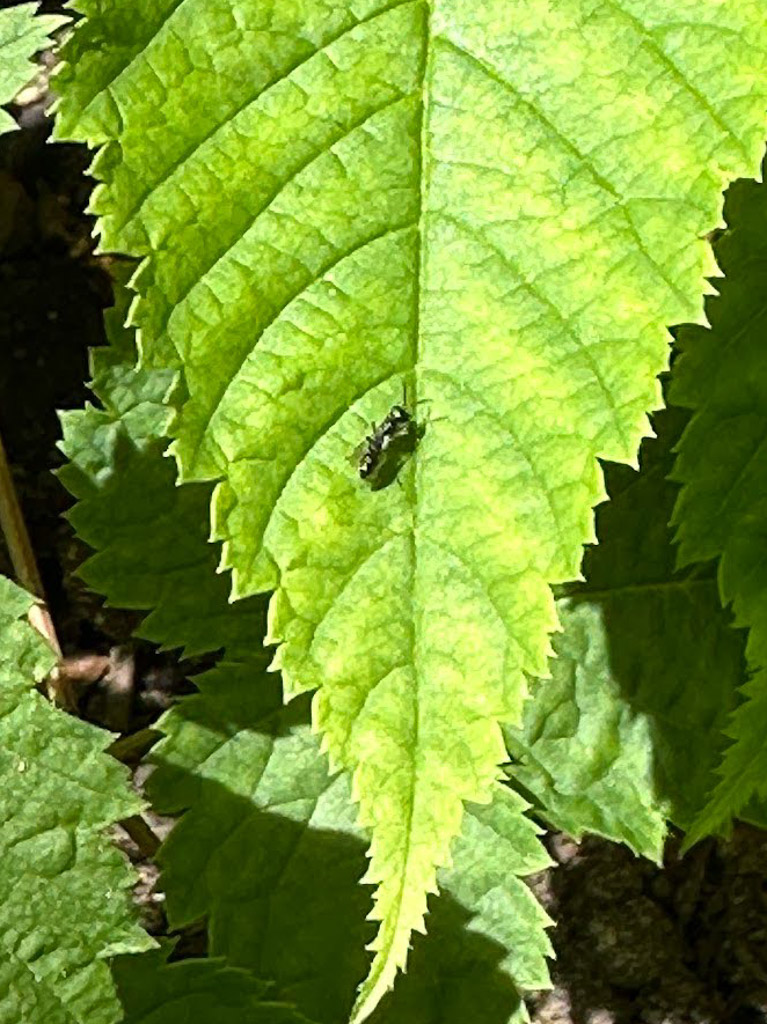
Parasitoid wasps
- A single female can parasitize hundreds of aphids
- Eggs laid directly in aphids or other insects (or their eggs)
- Usually tiny and black or brown (sometimes jewel toned!)–you may mistake them for gnats.
Other Predators
There are so many different ways to be a predator that it can be hard to categorize them. Here are a few kinds to look for in your garden.
Aerial predators
These predators capture prey while flying (sometimes while perching) and can help control nuisance insects from flies to caterpillars. They benefit from vertical structures–trees, shrubs, and perennials to perch on.
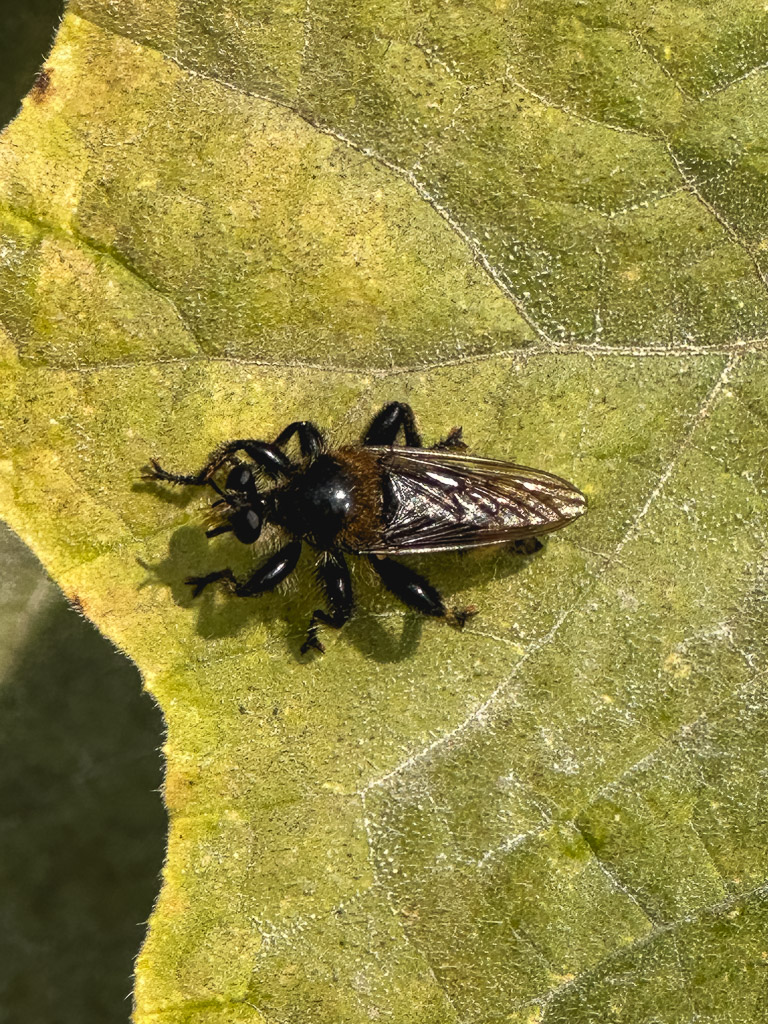
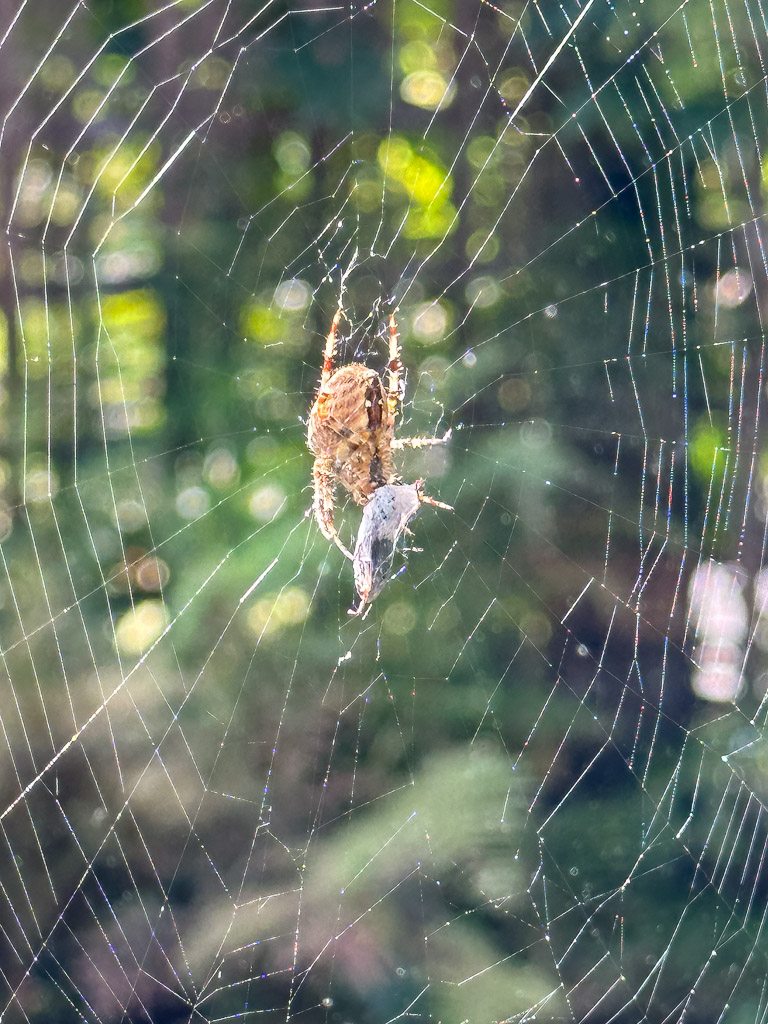
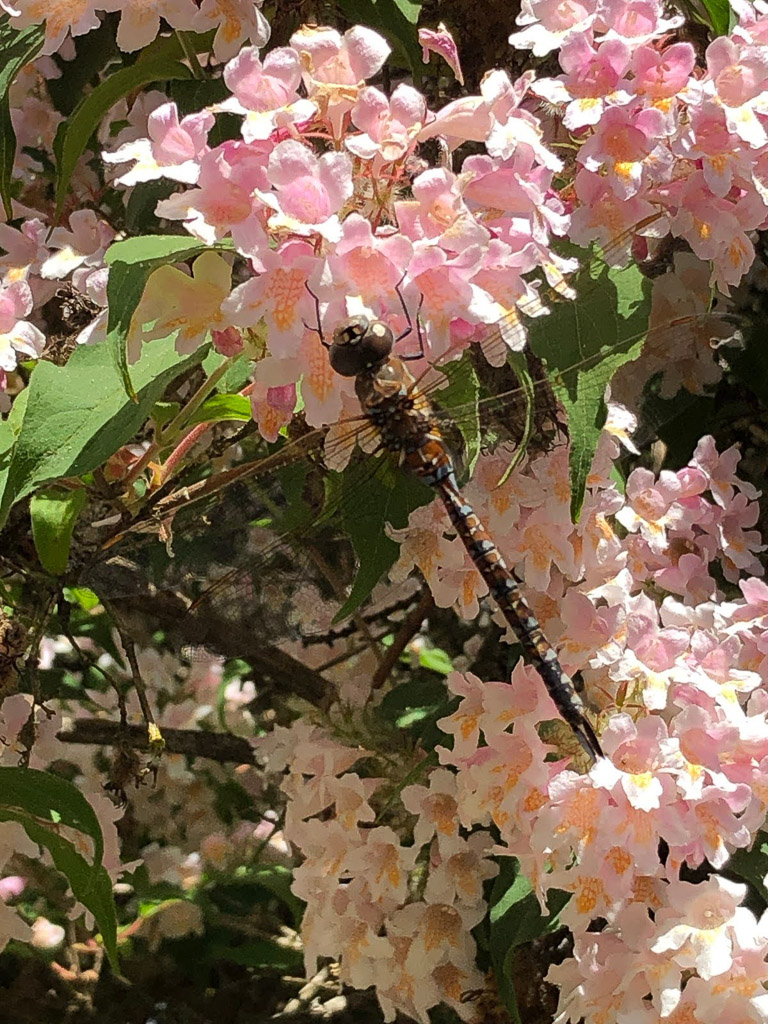
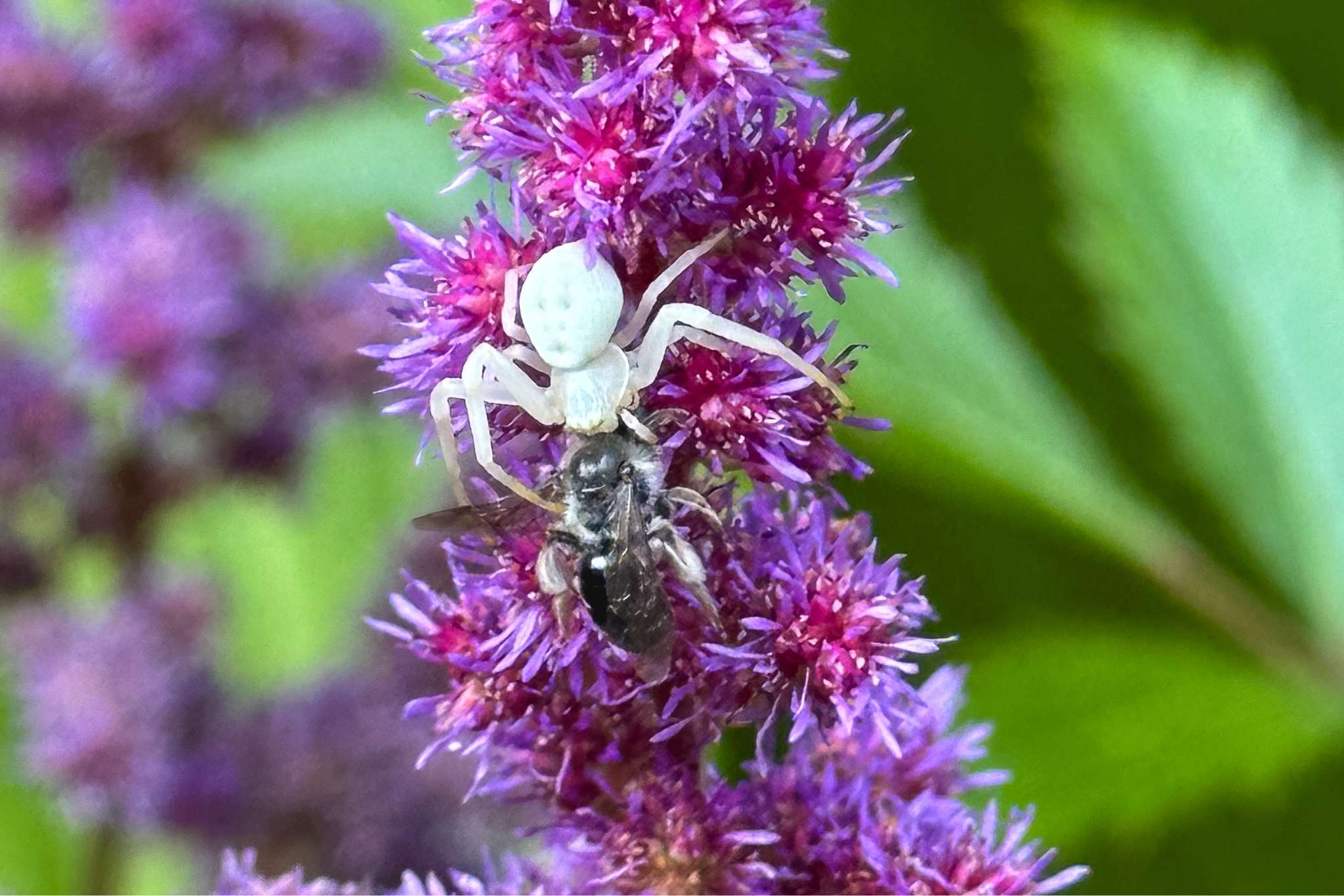
Voracious dragonflies eat mosquitoes, gnats, flies, and more; robber flies can capture large prey and may be seen perching on plants; and while not “aerial” themselves, orb weaver and crab spiders capture flying insects.
Ground hunters
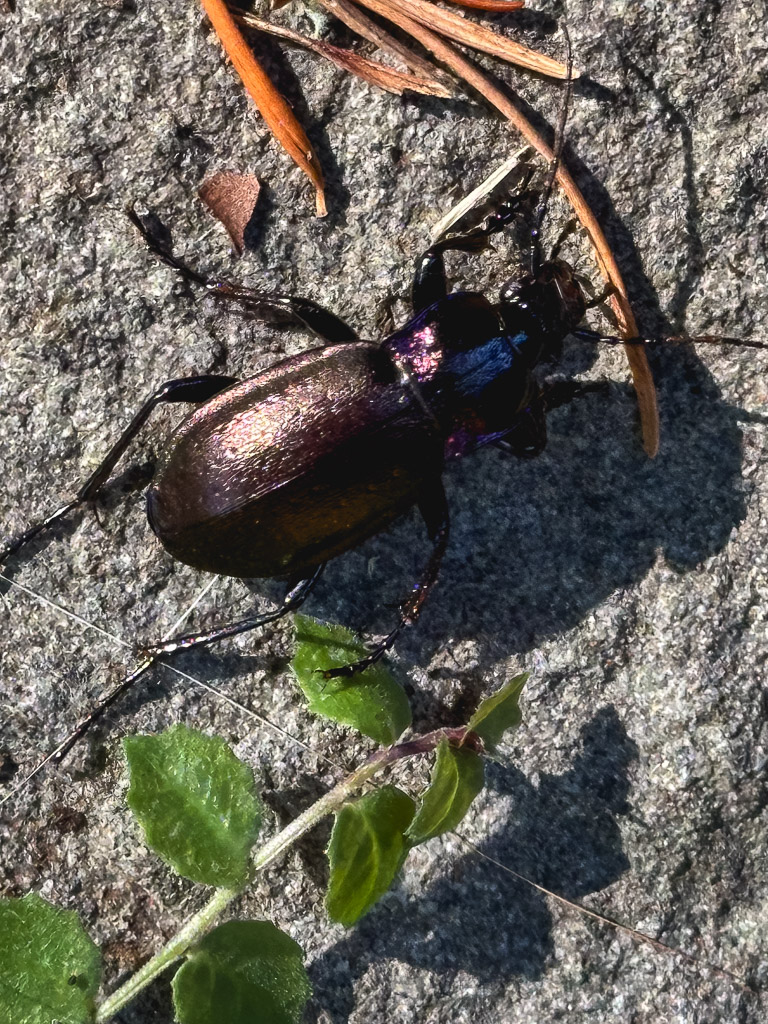
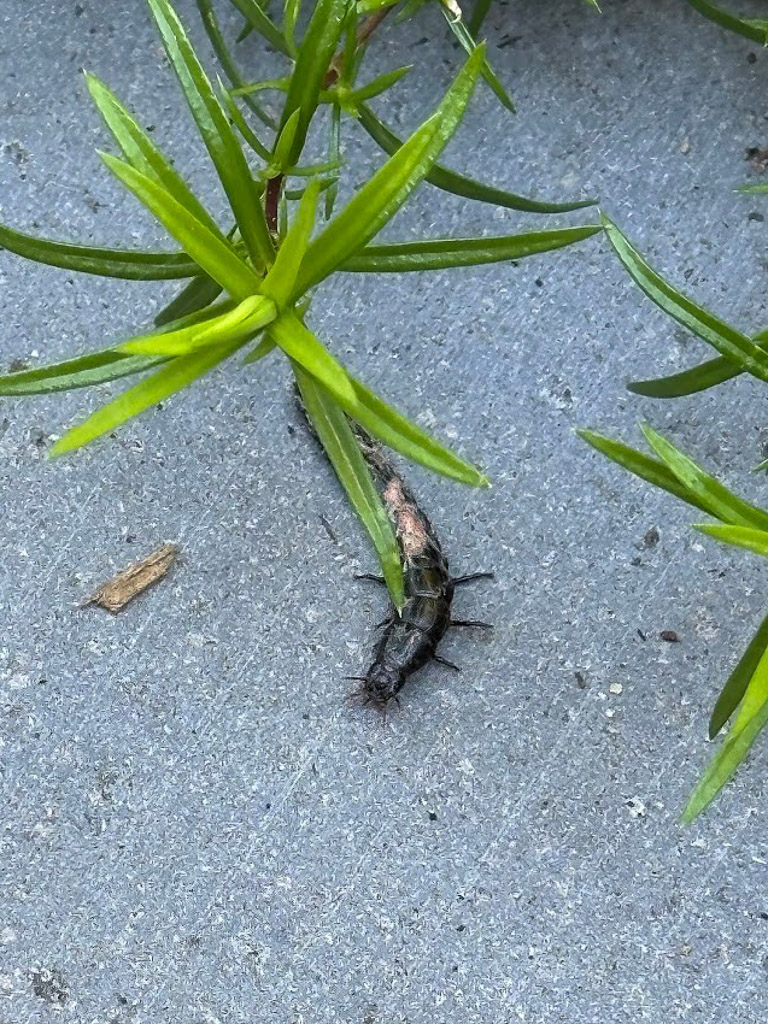
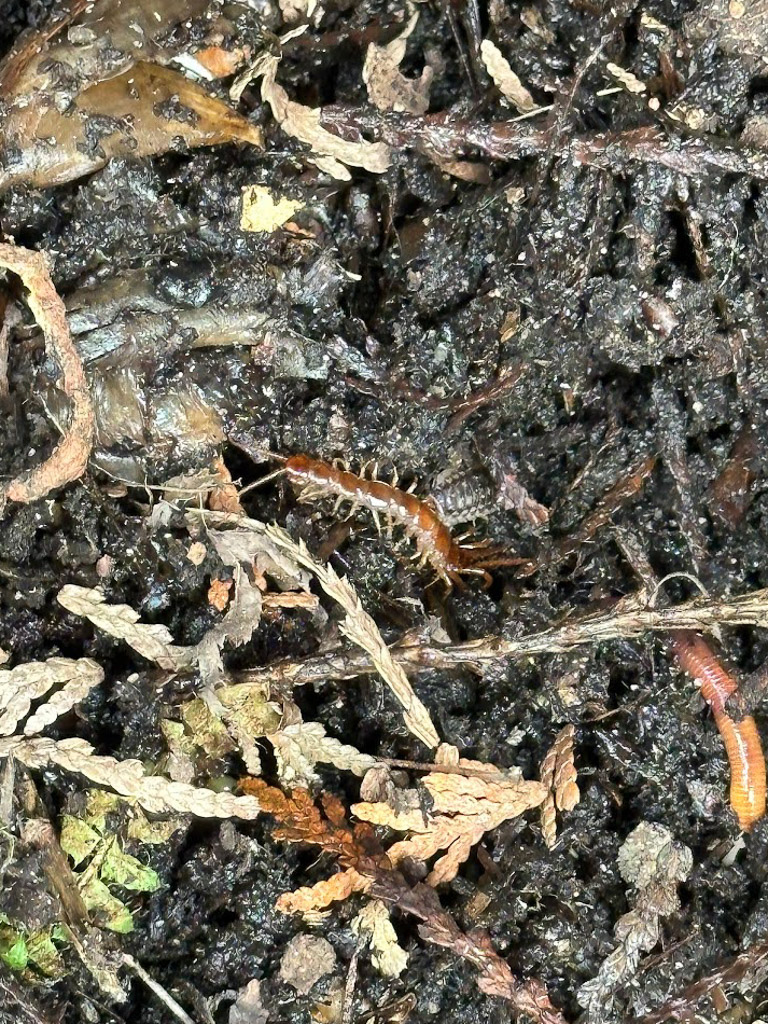
Often active after dark, so not seen by many gardeners. These predators benefit from ground covers and mulches that provide daytime hiding places.
Ground beetles and rove beetles are important predators, even attacking slugs and snails. Also in this group are centipedes, spiders, and more.
Hunters on plants
Many different kinds of insects forage on plants for caterpillars, mites, and other insects.
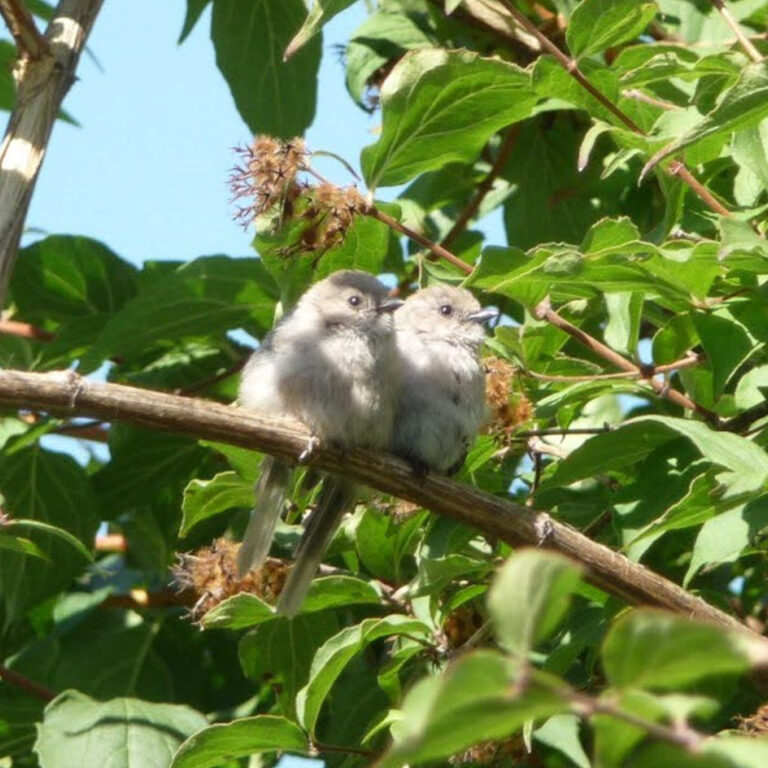
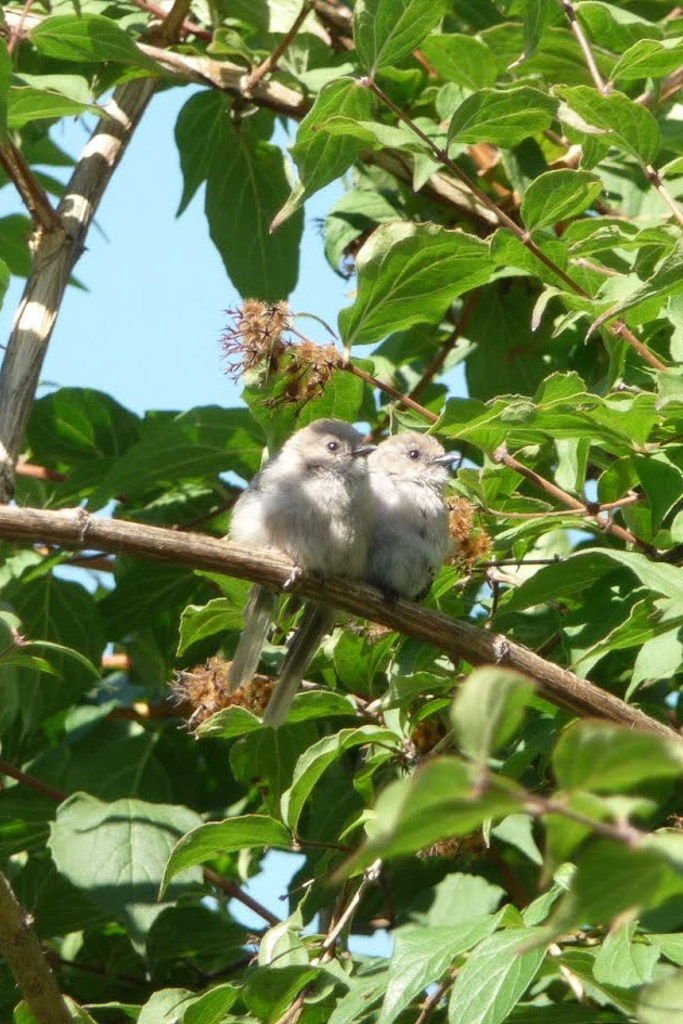
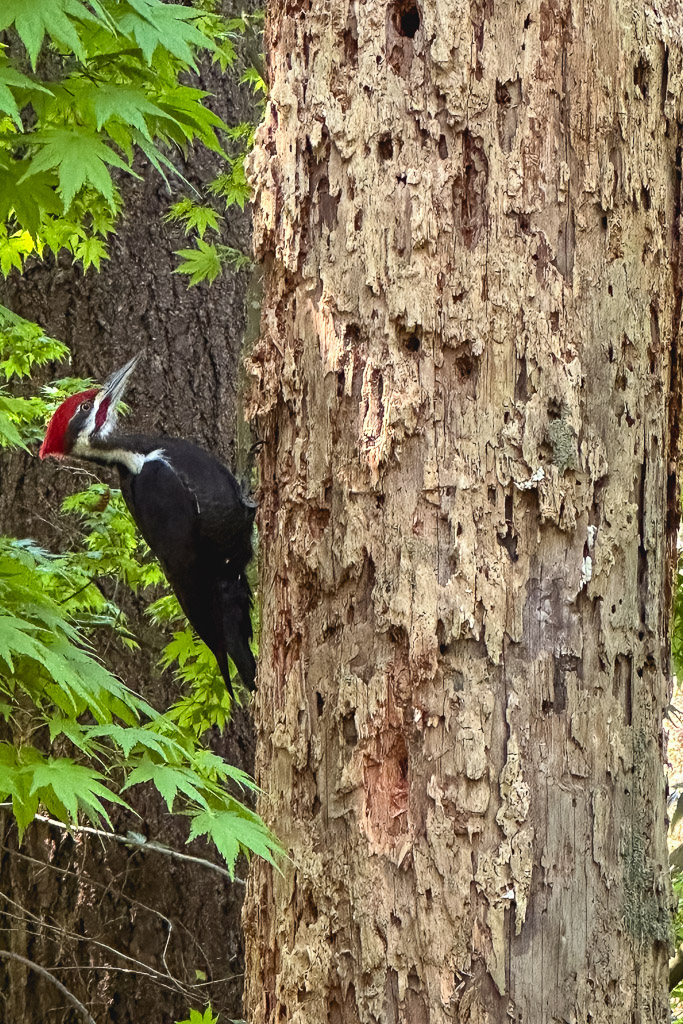
Birds can be important predators of insects. Chickadees feed thousands of caterpillars to nestlings, bushtits glean insects off foliage year round, and woodpeckers forage for insects in wood.
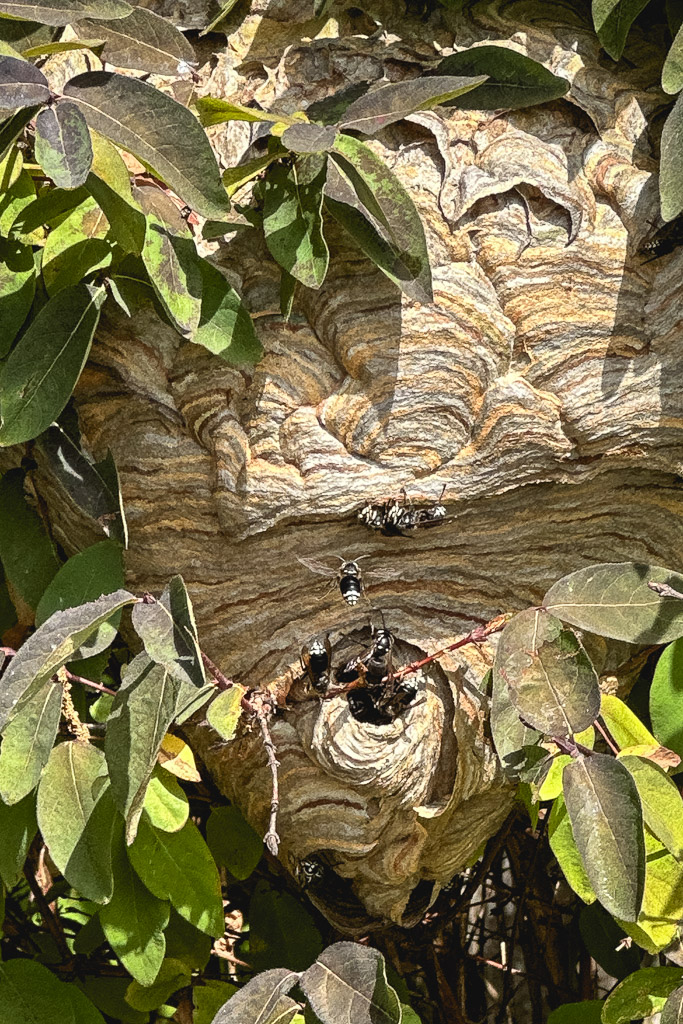
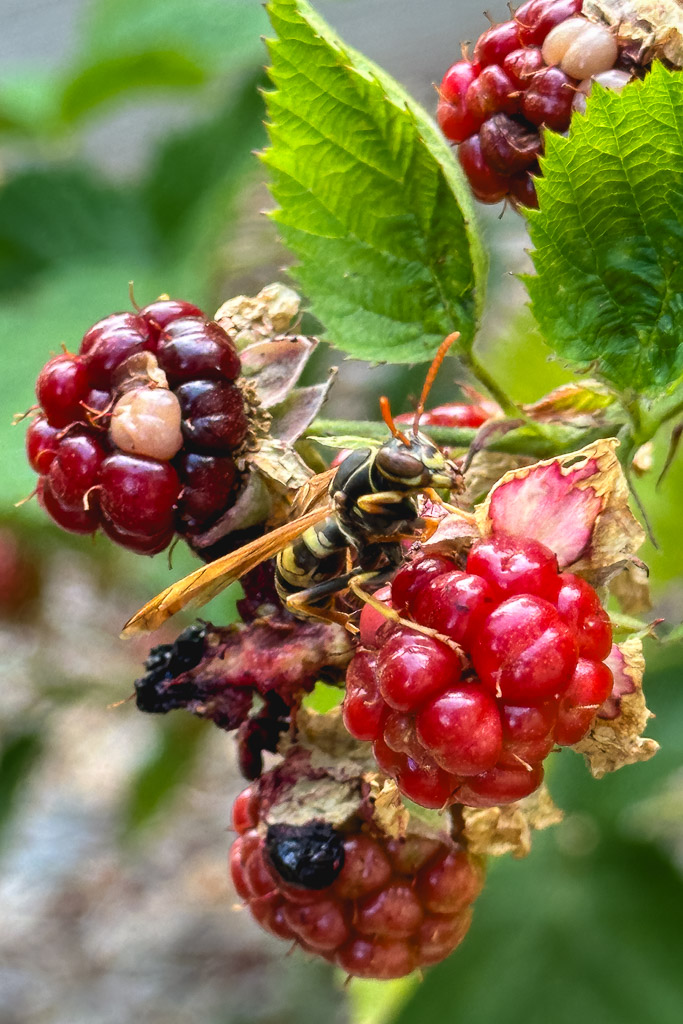
Both social and solitary wasps are amazing hunters of caterpillars, katydids, flies, spiders, and more. These are fed to their offspring, but many adult wasps consume nectar and so can be pollinators.
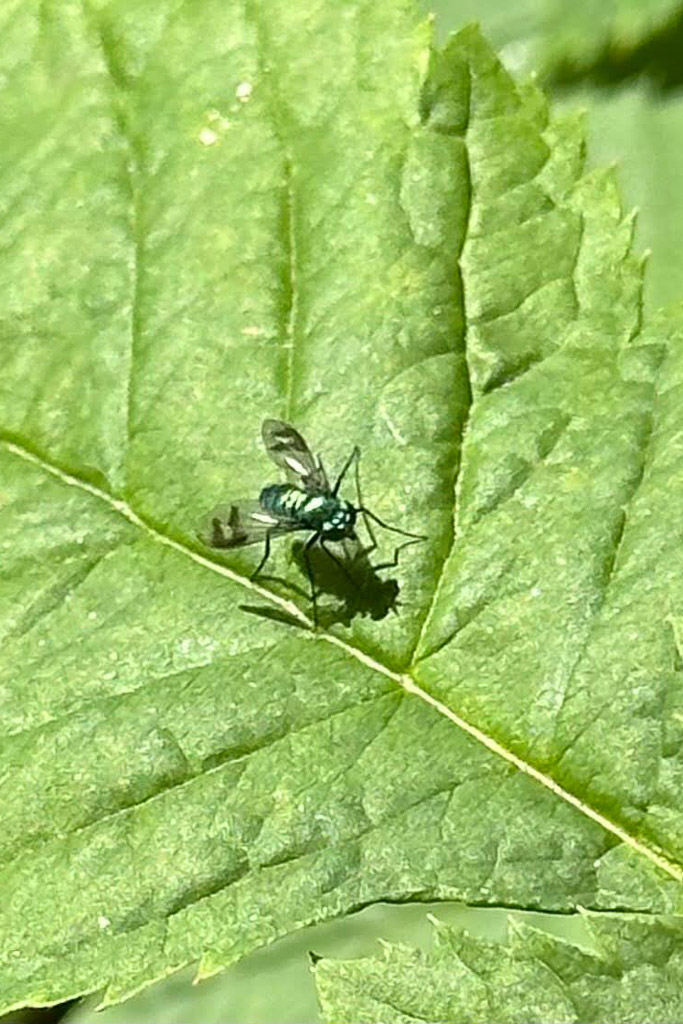
Long-legged flies are tiny, bright green, active hunters of mites, thrips, and other soft-bodied insects. They can be seen running on leaf surfaces as they hunt.
Many spiders are active hunters on plants. Crab spiders use a sit-and-wait strategy on flowers, meaning they sometimes catch pollinators as well as pests.
Continue Learning